Osaka Castle Walks with Edward - History Beyond the Postcard
Osaka Castle: Before Japan Had a Name
An Osaka Castle Park tour for hard-core historians who want to separate facts from myth and ancient propaganda.
Most Osaka Castle tours start in the 1500s. This one starts before Japan had a name — because the castle only makes sense once you've stood where it all began. Discover Japan's origin story.
Discover the stops ↓
This is not a standard castle tour. It is a trip 7000 years back in time.
Walk with a historian who lives beside it. Small groups. Osaka Castle every day • 2.5 Hours • English • ¥9,500/person
Book Instantly
Choose an available departure and receive immediate confirmation.
Take a 7,000-year walk through time with a resident historian.
At the centre of this story is the port of Naniwa — a place so ancient it predates the word Japan itself. Naniwa is where Japan's first civilisation took root, where mainland Asia arrived on Japanese shores, where emperors built their capitals, and where Japan found its name. Understanding Naniwa unlocks everything: why Osaka Castle exists, why it fell, and why this small patch of ground is the hinge on which Japanese history turns.
This 150-minute walk asks one question at every stop: why here? The answer evolves across seven millennia.
Ideal for: History enthusiasts, archaeology-minded travellers, repeat visitors to Japan, and anyone who wants to know what the evidence actually says. This is a serious 2.5-hour history walk, not a standard sightseeing circuit.
Travelling with children? Families are welcome, especially those with older children and teenagers who like asking questions. Youth aged 12–17 join at ¥5,000, and children aged 0–12 walk free with a paying adult. See the Osaka Castle with kids page for practical guidance.
The Route
Four eras. 800 metres. One landscape.
One ridge, seven thousand years, eight hundred metres. Jōmon settlement, the port of Naniwa, a burned temple, and the walls of a fortress everyone died trying to hold. Select a stop to explore the stories.
The ridge comes first. The Jōmon settled it some 7,000 years ago, hunter-gatherers living in settled communities above a shoreline that has long since vanished, thousands of years before anyone called this place Japan.
Then new people arrive. Rice farmers bring metal tools and a new way of organising society, and power begins to concentrate. By the time Chinese chronicles record Queen Himiko, a shaman-queen who drew warring communities into a confederacy, the question has shifted from where people can live to who gets to rule them.
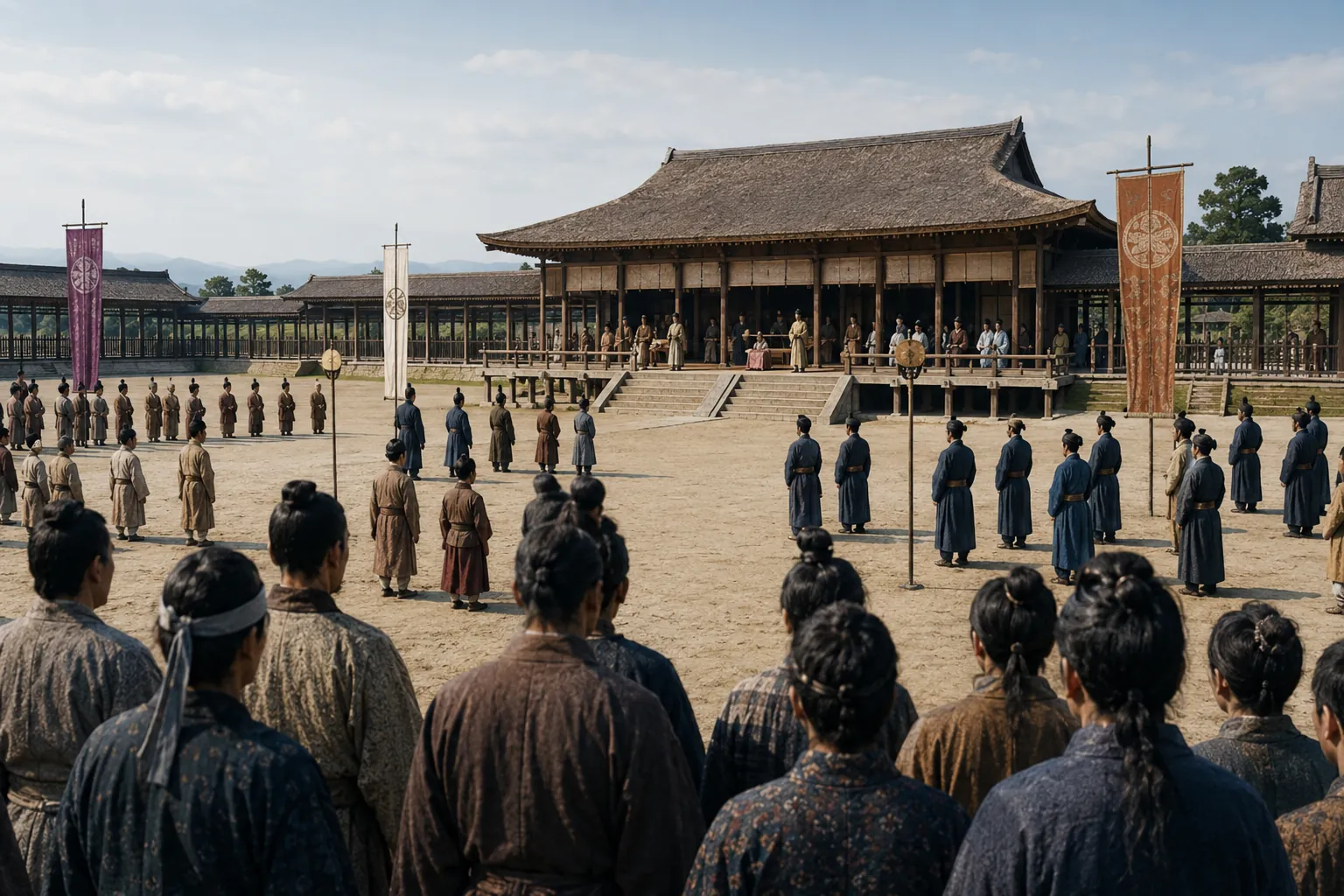
What they are fighting over is the port. At Hōenzaka we walk through the excavated remains of the port and warehouses, and consider how much wealth passed through them.
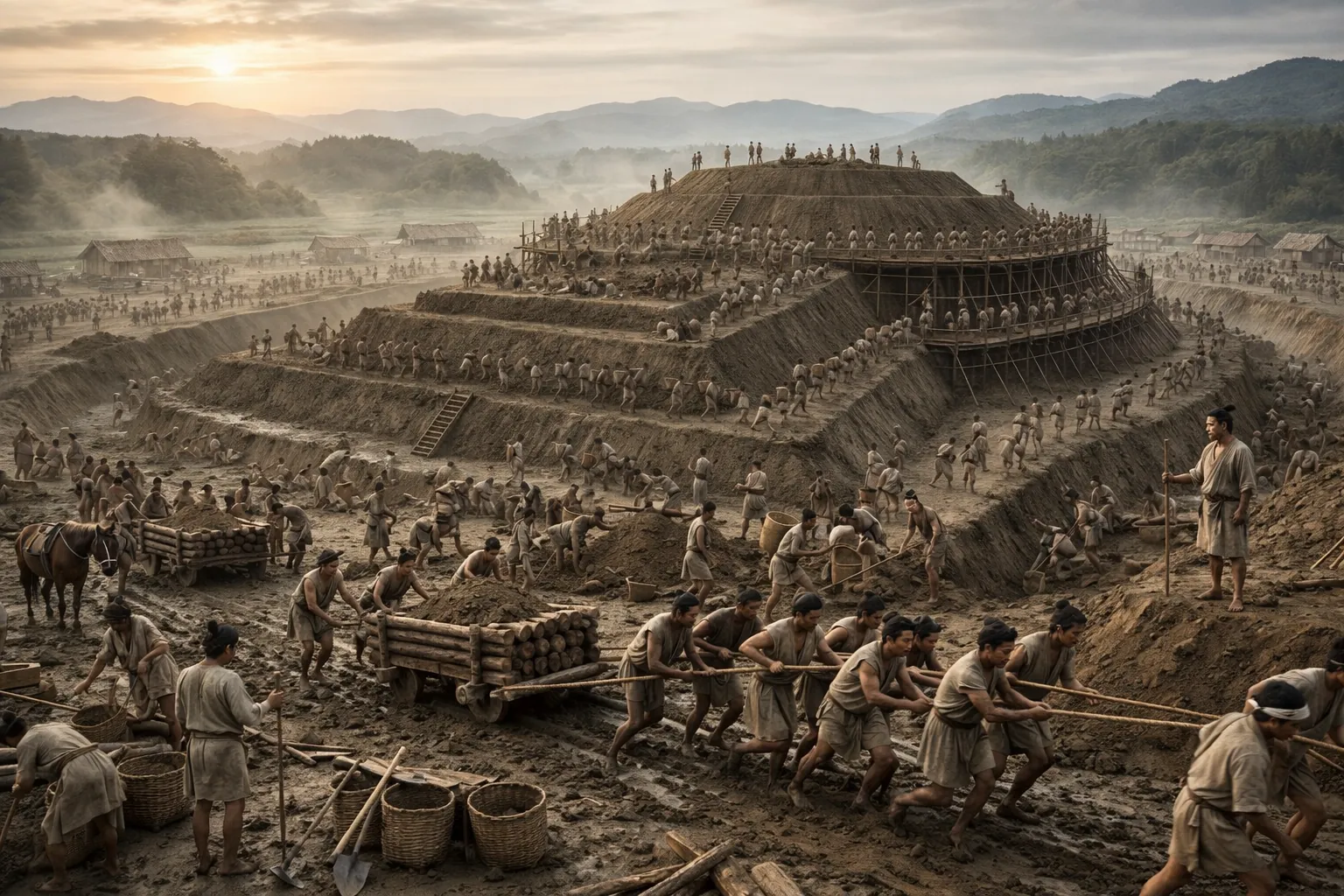
And where there is wealth, there are rulers who want to command it. The tomb of Emperor Nintoku, Daisen Kofun, is the measure: an estimated 1,200 to 2,000 labourers a day for 16 years, on a footprint larger than the Great Pyramid of Giza.
The building of Daisen Kofun - ~460 CE.
On the day
Climb the Uemachi PlateauClimb the same ridge the Jōmon settled 7,000 years ago — before Egypt’s first pharaoh.
Meet the culture predating JapanFor thousands of years, hunter-gatherers built settled communities, shaped the landscape, and created some of the world’s earliest pottery.
Trace the arrival of the rice farmersNew people brought wet-rice agriculture, metal tools, and a radically different way of life—transforming the societies that would become Japan.
Uncover the shaman-queen's confederacyBy 200 AD, a shaman-queen unified Japan's warring clans through ritual and fear. China took note.
Explore ancient HōenzakaWalk through the excavated Naniwa port and warehouses — the port that made this hill worth fighting for.
A port this rich was worth ruling. But what would it take to rebuild a whole country around it?
Stop 2
Naniwa Palace
Where the idea of the Emperor took root
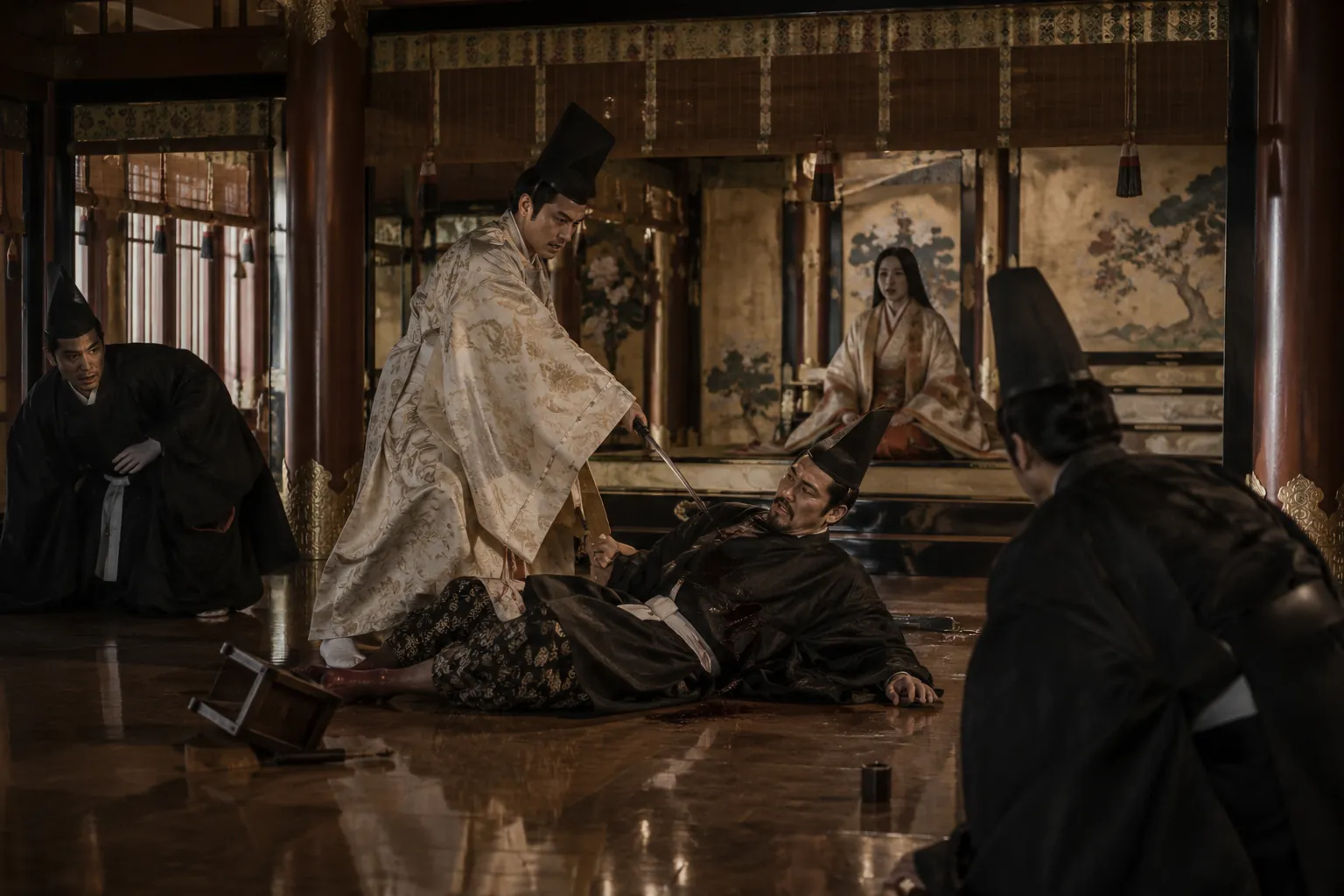
645 AD: a coup, a new political order, and the name Nihon
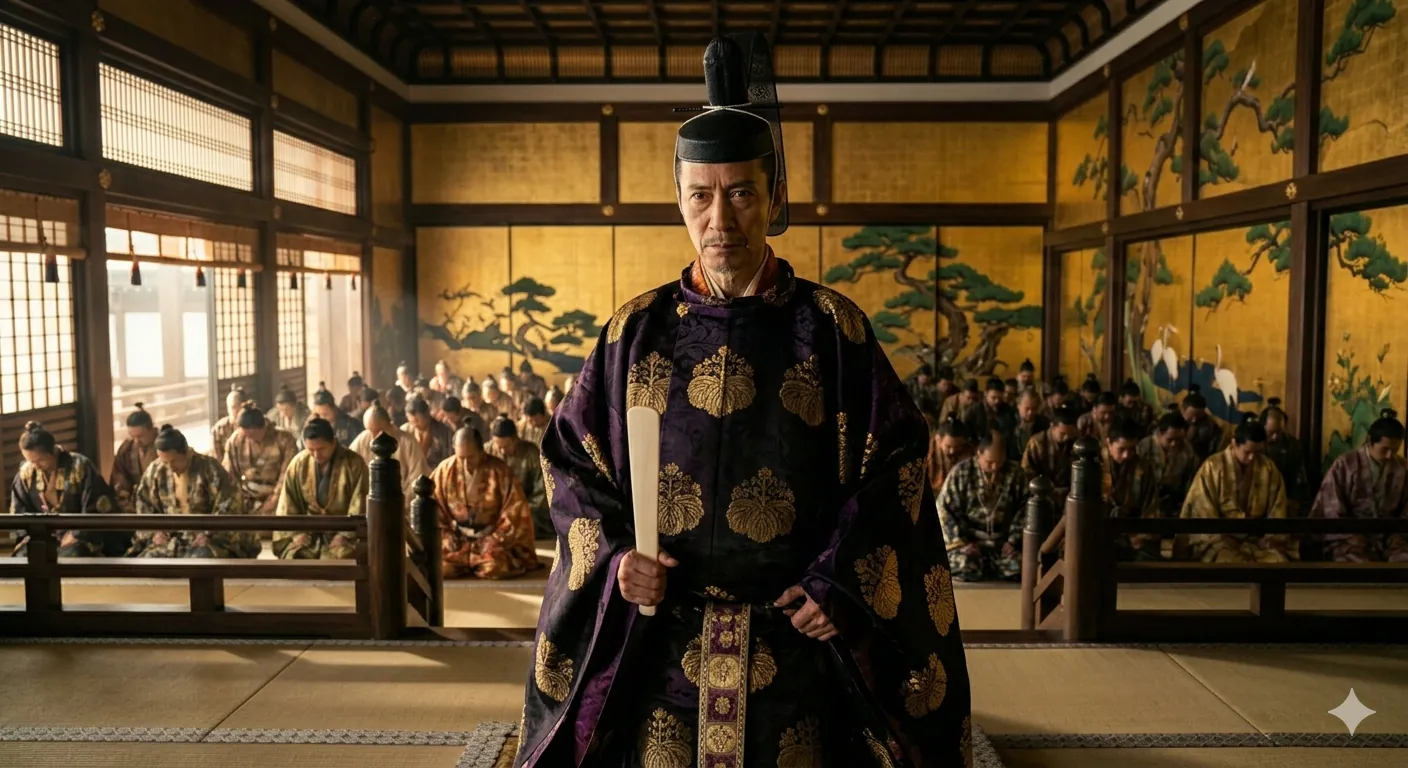
On June 12, 645, Prince Naka no Ōe and Nakatomi no Kamatari, founder of the Fujiwara clan, assassinated Soga no Iruka, the de facto ruler of the court. That Isshi Incident led to the Taika Reforms and a radical effort to pull authority back into the hands of the emperor.
But why build the new capital here? The same landscape that had drawn settlers and carried the port's trade now served a different purpose: the exercise of imperial power. Naniwa Palace was where the new order took physical form.
Standing on the foundations of that 7th-century capital, we trace how the ideas that would define the Japanese state took shape: the emperor as sovereign above rival clans, a framework of legitimacy that every later warlord, regent and shogun would spend centuries contesting, and, by the end of the century, the name Nihon itself.
Kyoto is where the Emperor lived for over a millennium. Naniwa is where the idea of the Empire took root.
The Isshi Incident - June 12, 645
On the day
Walk the Naniwa Palace siteStand on the vanished 7th-century capital where Japan's imperial idea — and the name Nihon — first took shape.
An emperor's court once ruled from this ground. How did a Buddhist institution end up holding it against one of the most formidable warlords of his age?
Stop 3
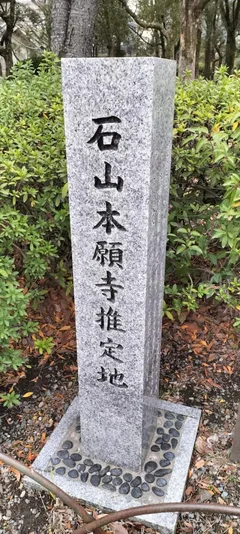
Ishiyama Hongan-ji
The fortress Nobunaga couldn't break
1496–1580
The emperor's court was not the only place where power lived. By the late 15th century a Buddhist institution had turned this ground into a religious centre, a political force and a fortress that Jesuit visitors called the strongest in Japan. Oda Nobunaga spent a decade failing to break it.
Why was it so hard to break? Partly the ground itself. Standing on its buried remains, we reconstruct how geography, fortification and resources worked together to make the stronghold so hard to beat.
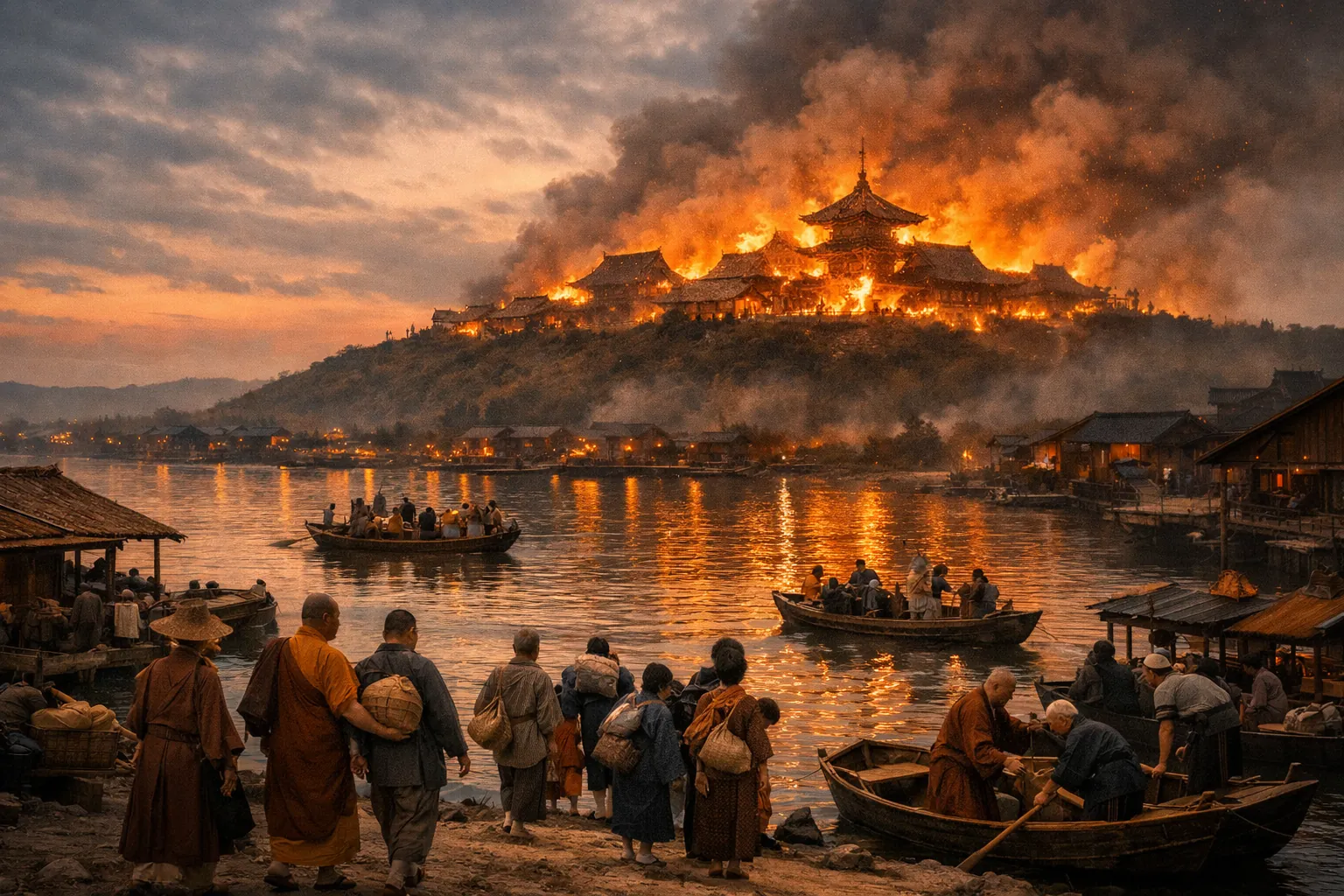
The rest was the people willing to defend it. We follow the siege and the conflict that finally brought the fortress down: in the summer of 1580 it burned.
The fortress was gone, but the advantages of its location were not.
The end of Ishiyama hongan-ji - August, 1580.
On the day
Discover Ishiyama Hongan-jiThe fortress Europeans considered the strongest in Japan — the stronghold Nobunaga couldn't conquer.
Someone will build on those ashes. But can a ruler build a political order strong enough to survive his own death?
Stop 4
Osaka Castle
The fortress that became a battlefield
1583–1615
Three years after Hongan-ji fell, and one year after Nobunaga's assassination, Hideyoshi returned to build the greatest fortress in Japan on the same ground.
But a castle is only as secure as the order behind it. After Hideyoshi's death, his son Hideyori faced the rising power of Tokugawa Ieyasu. Hideyori's mother, Yodo-dono, had already watched two castles burn. We follow the disputes, the manoeuvring and the Winter and Summer Campaigns that ended in 1615.
Then we return to the ground and put the official story to the test: the 400-year-old account of what happened to the lord and lady of the castle runs into physical evidence that refuses to cooperate.
We finish at Aoyamon Gate, the threshold where the story closes. After 1615 power moves to Edo for good, and Osaka stops being the centre of Japan's story.
Toyotomi Hideyoshi - The Sovereign of Dew - 1591, Pax Toyotomi.
On the day
Enter Osaka Castle's HonmaruUse GPS-enabled maps to see how Hideyoshi resurrected the very fortress his lord burned to the ground.
Witness the fall of Osaka CastleWalk the ground where fog of war, lies, and betrayal ended 7,000 years of Osaka dominance.
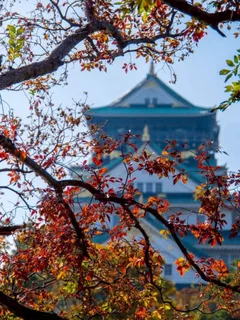
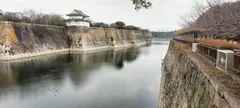
Take seasonal photosPhotograph the defenses and gardens atop the same ridge where emperors, monks, and warlords made history.
When the official account and the physical evidence disagree, which one do you trust?
What’s Included
Historical GPS‑enabled maps and visual overlays tracing 7,000 years of settlement
Exclusive Digital Archive — a personalised post‑tour summary with reconstructions of ancient Naniwa and candid photography
Guided walk through the archaeological landscape of Osaka Castle Park, personally led by Edward Iftody
Clear explanations of Japan’s earliest political centres and how this hill shaped the rise of the Yamato state
Seasonal photography moments along the southern moat and ridge
Exclusions
Food and drinks
Transportation to and from the meeting point
Personal expenses
Practicals
Meeting point: 2-3-6 Tanimachi (90 seconds from Tanimachi 4-chome Station Exit 1A). Maximum group size: 6 guests. Walking: about 2.5 hours on foot at a relaxed pace, mostly flat, and steps can be avoided.
Why do guests consider this the best Osaka Castle deep history and archaeology tour?
Because no other Osaka Castle walk goes back further. Instead of starting at Hideyoshi in the 16th century, this tour opens with the Jōmon settlements that first made the Uemachi ridge worth claiming 7,000 years ago, then follows the Yayoi and Kofun eras, Queen Himiko, and the earliest imperial capitals. It treats the modern park as an active archaeological site. For travellers who want the story beneath the castle — not just the castle — it goes deeper than any other walk at Osaka Castle.
What does "Before Japan Had a Name" mean?
The name Nihon emerged in the early Japanese state during the 7th century. Long before that, the archipelago was home to Jōmon communities, Yayoi farming societies and emerging political centres known from archaeology and ancient Chinese chronicles. The tour follows the long road from those societies to the Japanese state.
Why do repeat visitors to Japan choose this walk?
Because the question isn't only what a wall is made of. It's why it was built there, what stood there before, and who fought to control the ground. The walk connects archaeology, geography, political history and human conflict, so familiar landmarks become newly interesting.
How is this different from a standard Osaka Castle tour?
Standard tours concentrate on Hideyoshi, the samurai era and the modern keep. This walk goes thousands of years further back, through archaeological remains, a vanished shoreline, early political centres and the successive fortresses that occupied this ground.
How does ancient geography shape the story?
The Uemachi ridge, the old waterways and the changing shoreline explain why this area attracted settlement and later became a centre of power. By reconstructing the landscape, we see why successive rulers chose the same ground for very different purposes.
What was Japan like before it had a name?
Long before the Japanese state had a name, the Osaka region was home to Jōmon hunter-gatherers, Yayoi farmers, and the emerging political centres that Chinese chronicles recorded as Wa. On this walk led by Edward Iftody, Osaka Castle's Resident Historian, you trace that sequence on the ground — from ridge settlement to the palace foundations at Naniwa — using archaeology and historical geography rather than legend.
How much of Japan's earliest history is fact, and how much is mythology?
Japan's earliest chronicles, the Kojiki and Nihon Shoki, mix political record with divine origin stories, so not every claim can be taken at face value. This tour separates what archaeology and contemporary foreign records can demonstrate from what belongs to tradition and later interpretation. The aim is not to dismiss the mythology, but to show you where the evidence ends and the storytelling begins.
Is this tour for people interested in archaeology rather than samurai?
Yes — this is the most archaeology-focused walk at Osaka Castle, and it assumes no interest in samurai battles. Edward Iftody, Osaka Castle's Resident Historian, uses excavation findings, buried palace remains, and reconstructed landscapes to explain how the region actually developed. If you prefer primary evidence to famous names, this is the right tour.
Is the tour suitable for children?
Yes, for children and teenagers who enjoy history and are comfortable walking about 2.5 hours. Youth aged 12–17 join at ¥5,000, and children aged 0–12 walk free with a paying adult. More guidance is on the Osaka Castle with kids page.
What happens if it rains?
We walk in ordinary rain — Osaka's history works in any weather, and umbrellas are provided. Only severe-weather alerts change the plan; if one is issued, Edward contacts you directly to arrange an alternative. You can cancel or reschedule for a full refund up to 24 hours before the start time.
Does the tour go inside Osaka Castle?
No — this is an outdoor walk across the castle grounds, the Naniwa Palace site, and the surrounding archaeology, so a keep ticket is not required. Entry to the Osaka Castle museum inside the keep is not included; if you wish to visit afterward, buy that ticket separately.
How do I find the meeting point?
We meet at 2-3-6 Tanimachi, Chuo-ku, Osaka — about 90 seconds on foot from Tanimachi 4-chome Station Exit 1A. Look for Edward Iftody, Osaka Castle's Resident Historian. If you are running late, send a message and he will share a map pin so you can join the route.
How large are the tour groups?
Scheduled walks are led in English and capped at six guests, which keeps the tour conversational and lets everyone see and hear. If you are travelling with a larger group, contact Edward directly for special pricing.
Research by Edward Iftody, Osaka-based historian and resident historian at Osaka Castle.
This reconstruction draws on contemporary European accounts, Japanese archaeological research, historical geography, and the surviving physical landscape.
 Climb the Uemachi PlateauClimb the same ridge the Jōmon settled 7,000 years ago — before Egypt’s first pharaoh.
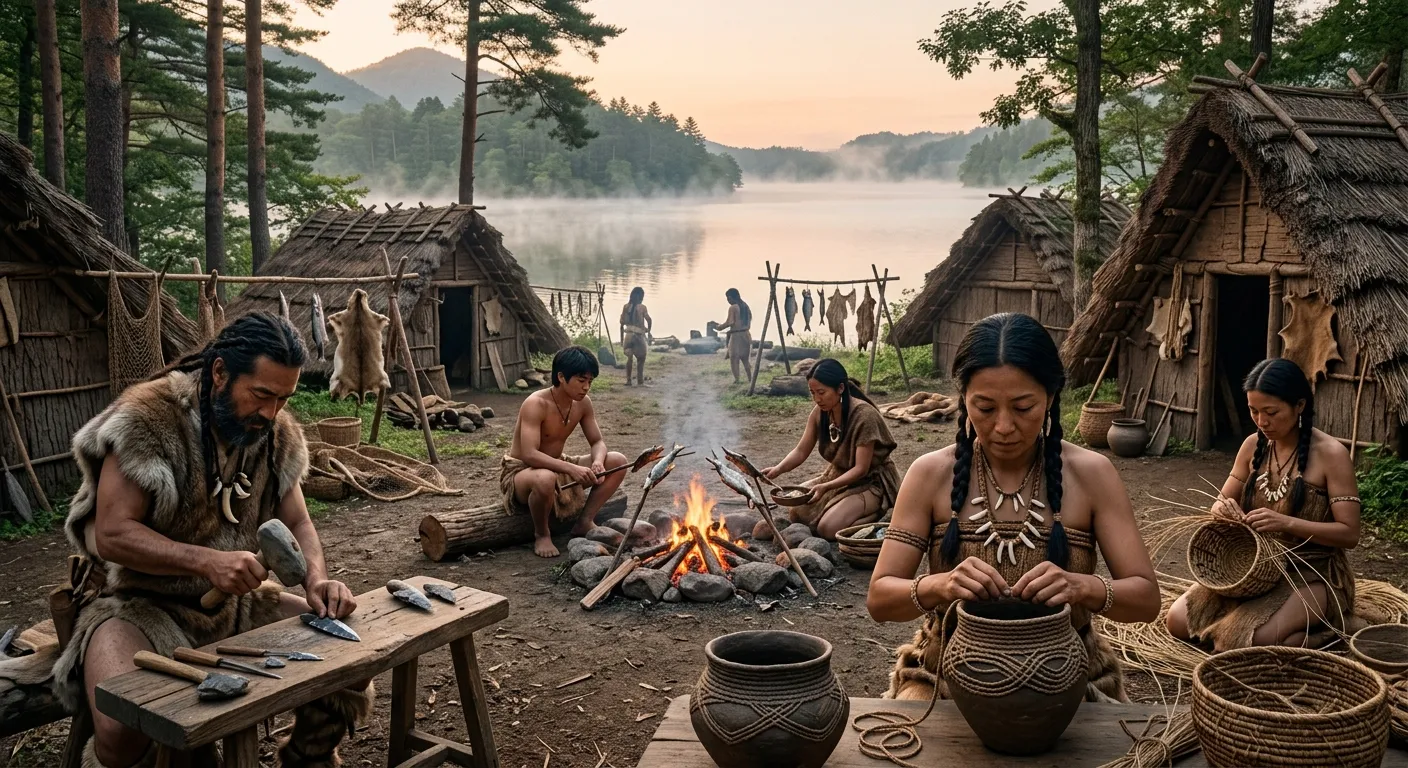 Meet the culture predating JapanFor thousands of years, hunter-gatherers built settled communities, shaped the landscape, and created some of the world’s earliest pottery.
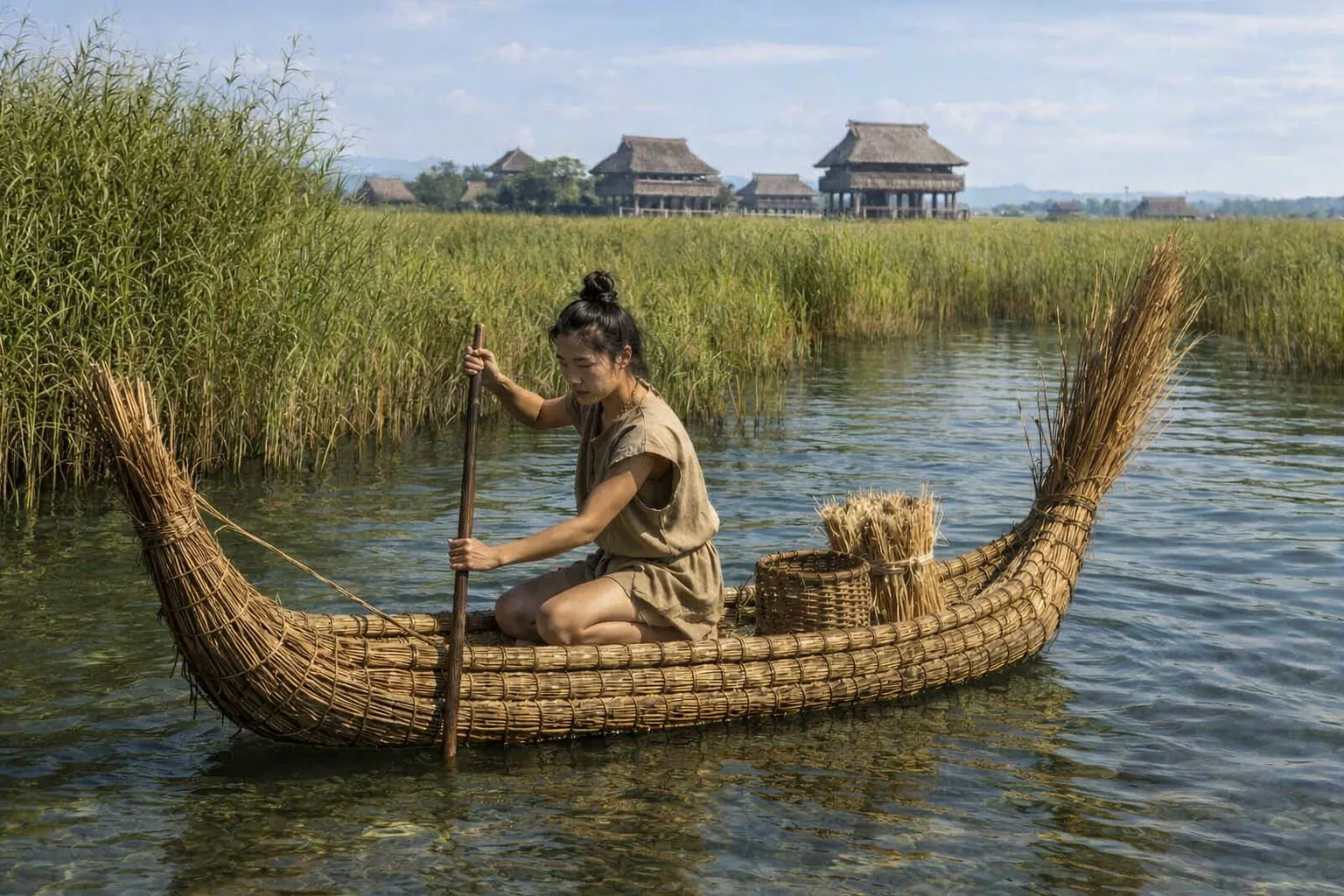 Trace the arrival of the rice farmersNew people brought wet-rice agriculture, metal tools, and a radically different way of life—transforming the societies that would become Japan.
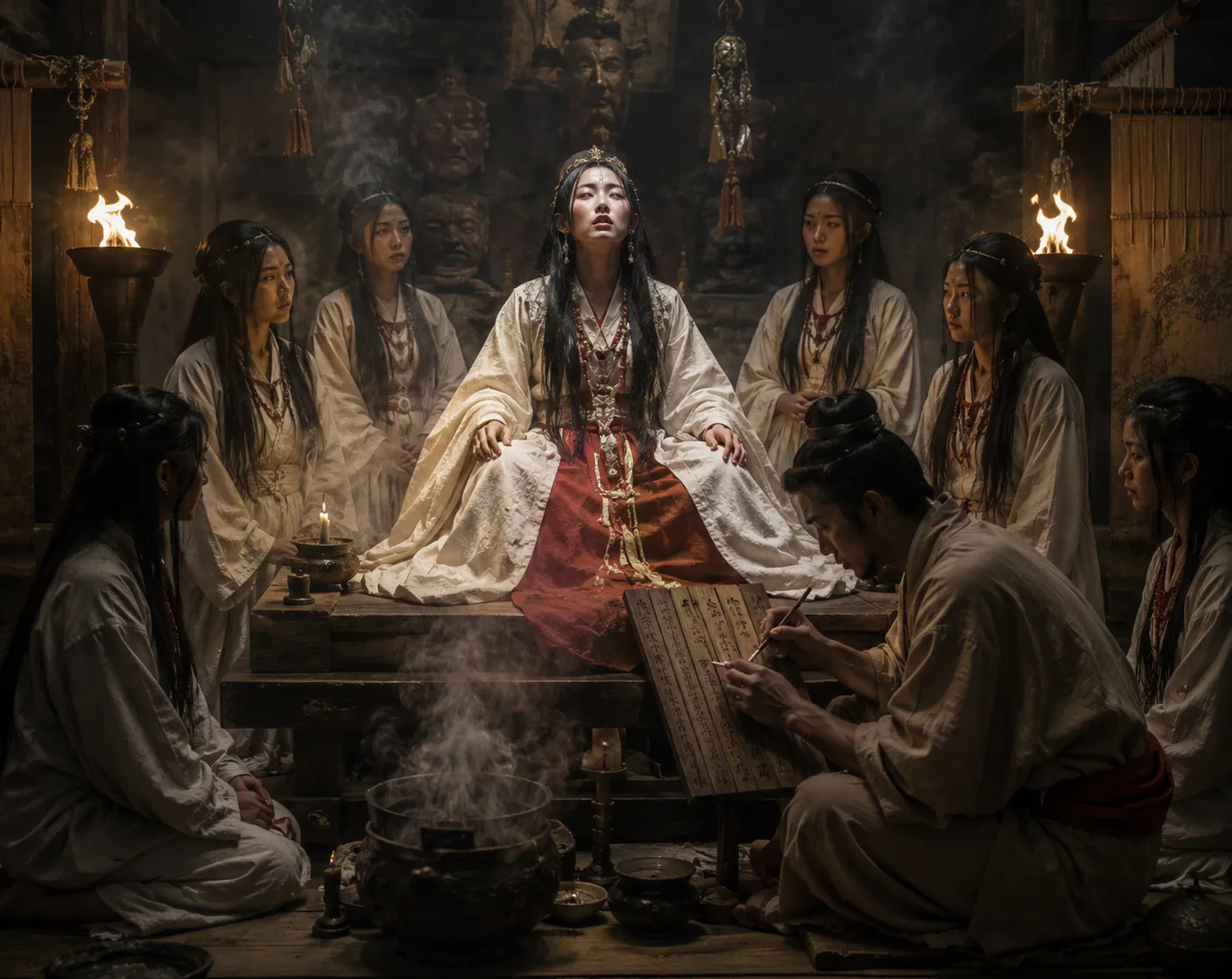 Uncover the shaman-queen's confederacyBy 200 AD, a shaman-queen unified Japan's warring clans through ritual and fear. China took note.
 Explore ancient HōenzakaWalk through the excavated Naniwa port and warehouses — the port that made this hill worth fighting for.