When the Japanese Diet enacted landmark legislation establishing a statutory framework for secondary capital capacity (fukuto) on July 24, 2026, the policy debate centered largely on a looming statistical terror: the 70% probability of a magnitude-7 earthquake directly beneath Tokyo within the next 30 years. Just four days later, nature rendered the theoretical immediate. On July 28, a powerful M7.1 earthquake struck Kumamoto Prefecture, halting bullet trains, damaging key industrial infrastructure, and forcing major high-tech manufacturing plants to evacuate.
The Kumamoto quake was a violent reminder that Japan’s vulnerability is not merely a local hazard—it is a systemic economic and administrative risk. If a regional shock in Kyushu can sever vital supply chains and transport arterial lines in minutes, a catastrophic event in the Greater Tokyo Area—which holds nearly a third of the nation’s population and an overwhelming concentration of its financial, political, and corporate power—would immobilize the state.
Prime Minister Sanae Takaichi framed the new law as a long-overdue "backup system for national crisis management". Yet while international observers view the fukuto framework as a novel 21st-century risk-management tool, it is actually the reactivation of a foundational principle of Japanese statecraft. Modern Tokyo’s extreme hyper-centralization is an anomaly of the post-WWII economic miracle, not the historical norm. For over 1,300 years, Japanese governance has relied on geographic distribution and functional redundancy to shield authority from existential collapse.
The Ancient Blueprint: Tenmu and Fukuto-Sei
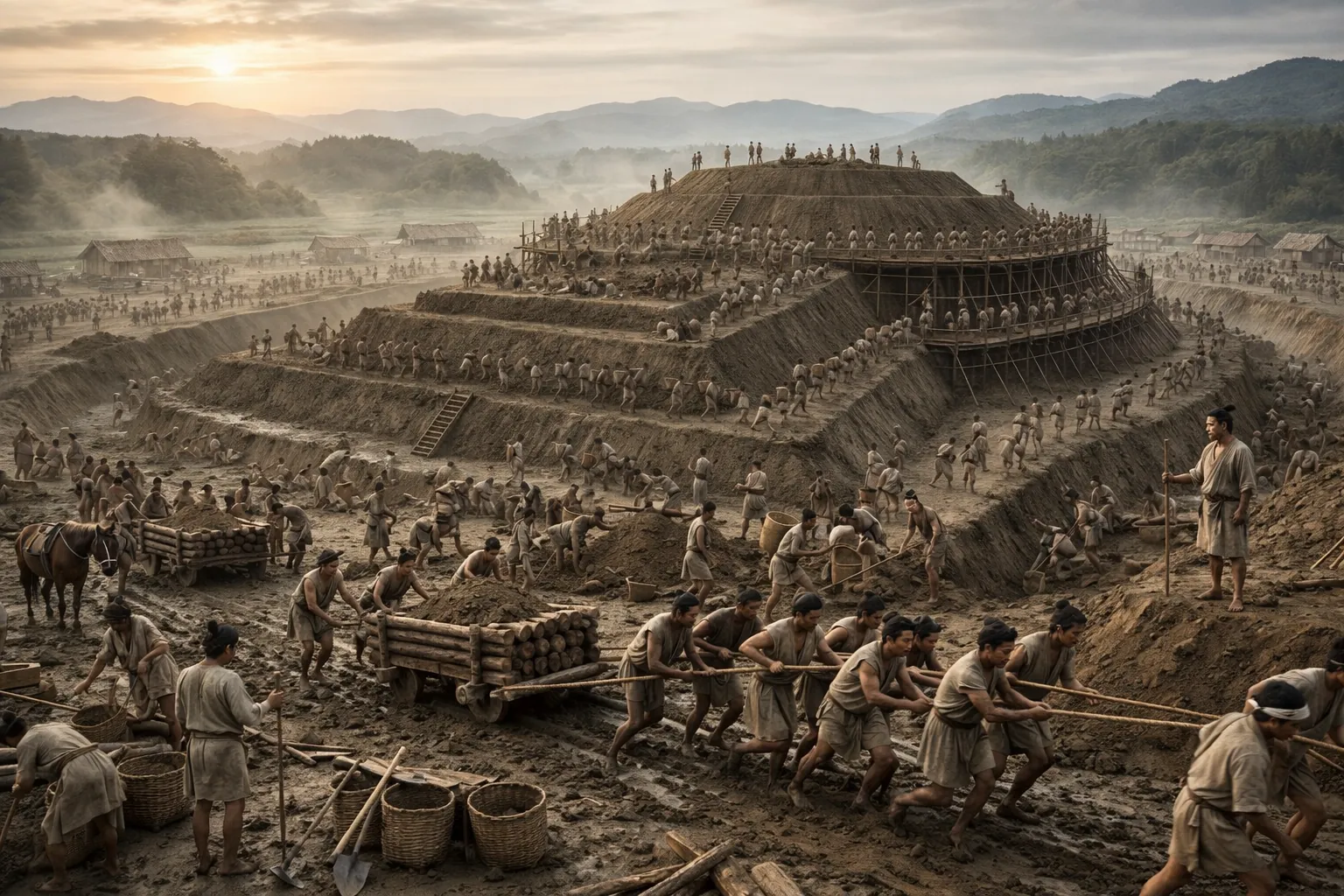
The concept of administrative backup capacity was first codified in 683 CE by Emperor Tenmu. In the wake of the bloody Jinshin War—a succession crisis that nearly tore the early state apart—Tenmu issued a decree establishing Asuka as the imperial seat while ordering the construction of a secondary capital at Naniwa (modern Osaka).
This system, known as fukuto-sei (multi-capital arrangement), was explicitly designed as a hedge against catastrophic failure. Early Japan faced a volatile mix of continental geopolitical threats, severe epidemics, and relentless seismic activity. Tenmu recognized that anchoring the state to a single geographic point invited total vulnerability. Throughout the Nara and Heian periods, capitals were relocated or duplicated—from Fujiwara-kyo and Nara to Nagaoka-kyo and Kyoto—not merely out of religious pollution fears, but as calculated political resets and risk-mitigation strategies.
The Tokugawa Triad: Distributed Power in Practice
By the early 17th century, the Tokugawa Shogunate perfected a functional division of power across geography that created unprecedented stability for over two centuries.
Rather than concentrating all national functions in one metropolis, the regime established a tri-polar axis across the archipelago:
- Edo (Tokyo): The political and military headquarters, holding the Shogun and administrative apparatus.
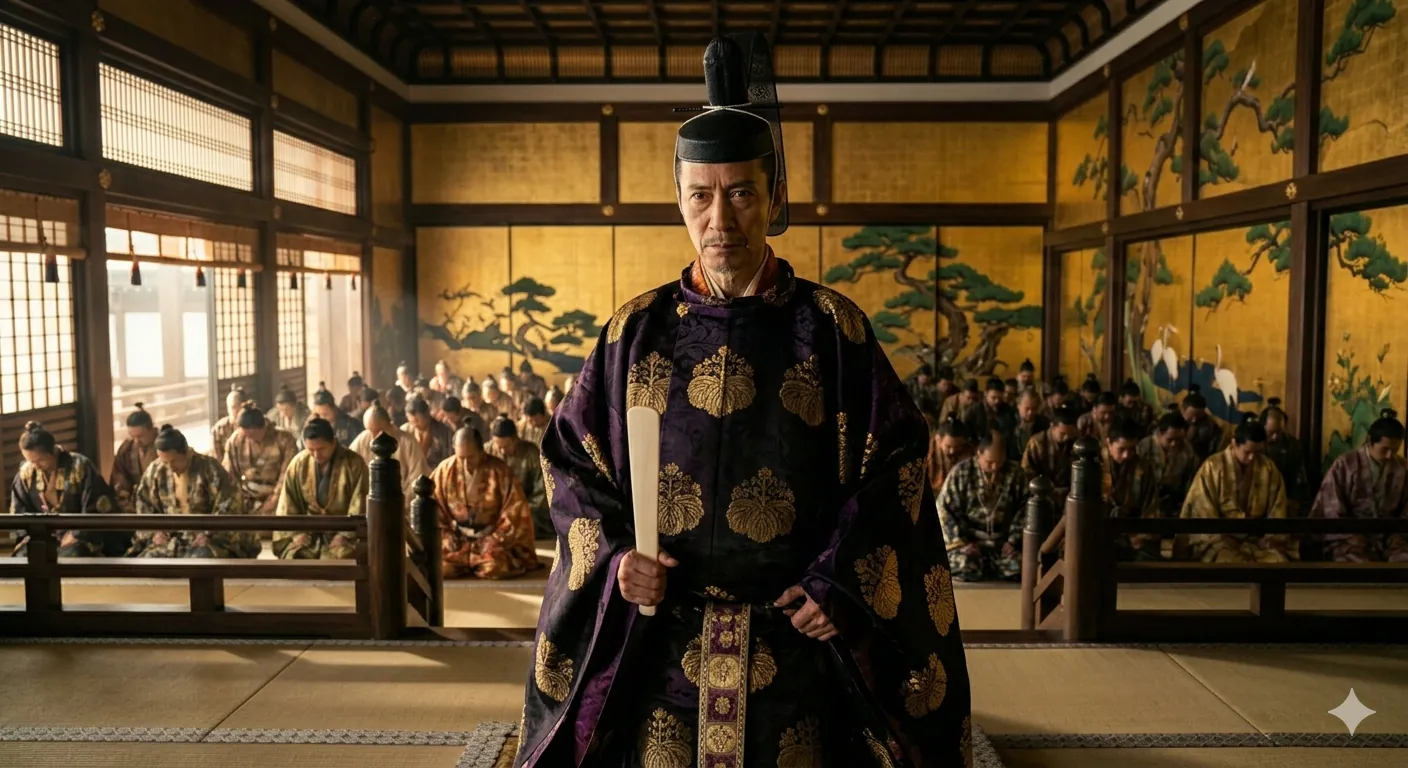
- Kyoto: The cultural and symbolic center, housing the Imperial Court and religious authority.
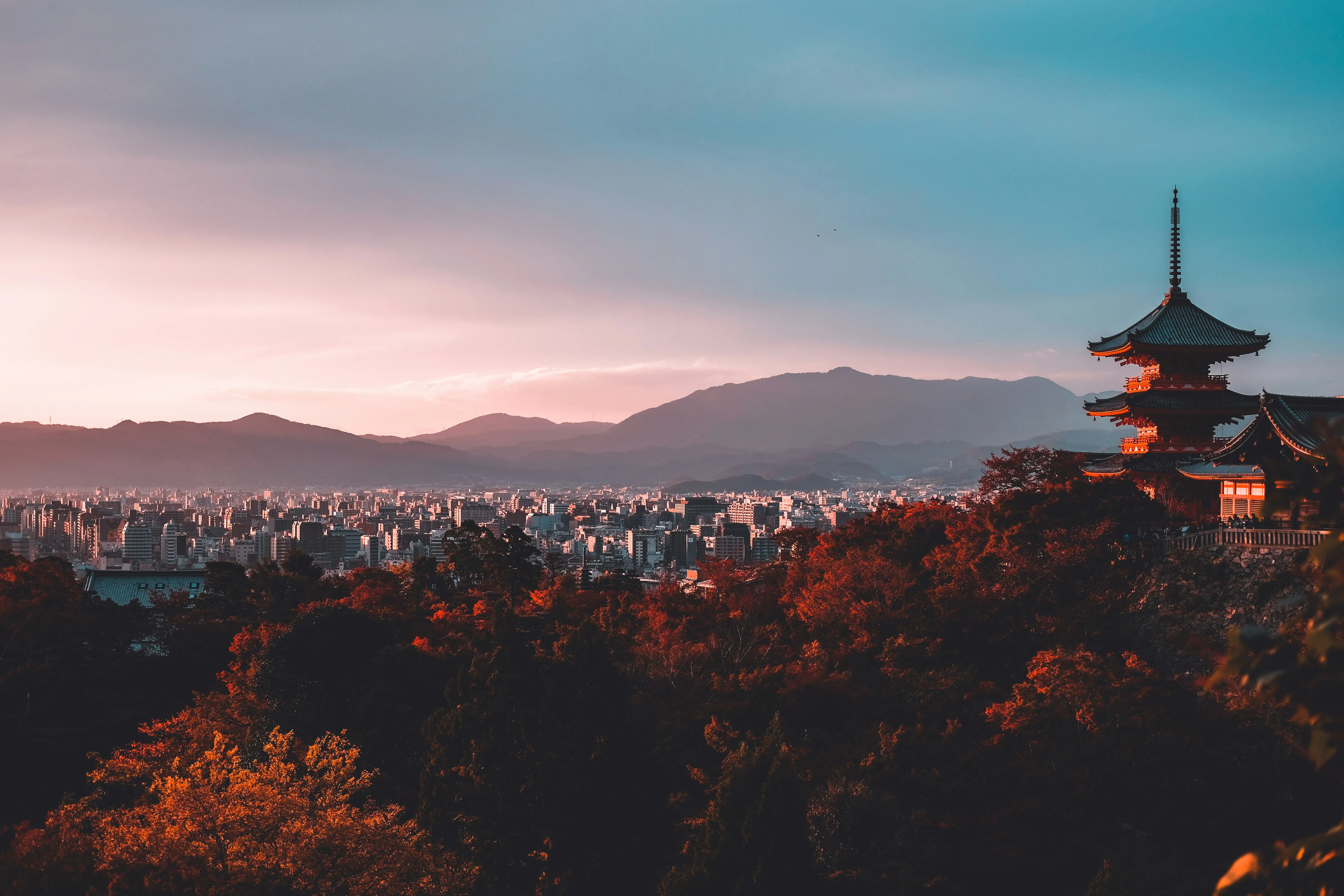
- Osaka: The financial engine and logistical hub, managing the national rice market (Tenka no Kitchin) and commercial credit networks.
By distributing the functions of state, the Tokugawa regime ensured that a disaster in one node—such as the Great Meireki Fire that destroyed two-thirds of Edo in 1657—did not paralyze the nation's financial or symbolic foundations. Osaka’s merchant credit kept the economy moving, while Kyoto maintained ceremonial continuity.
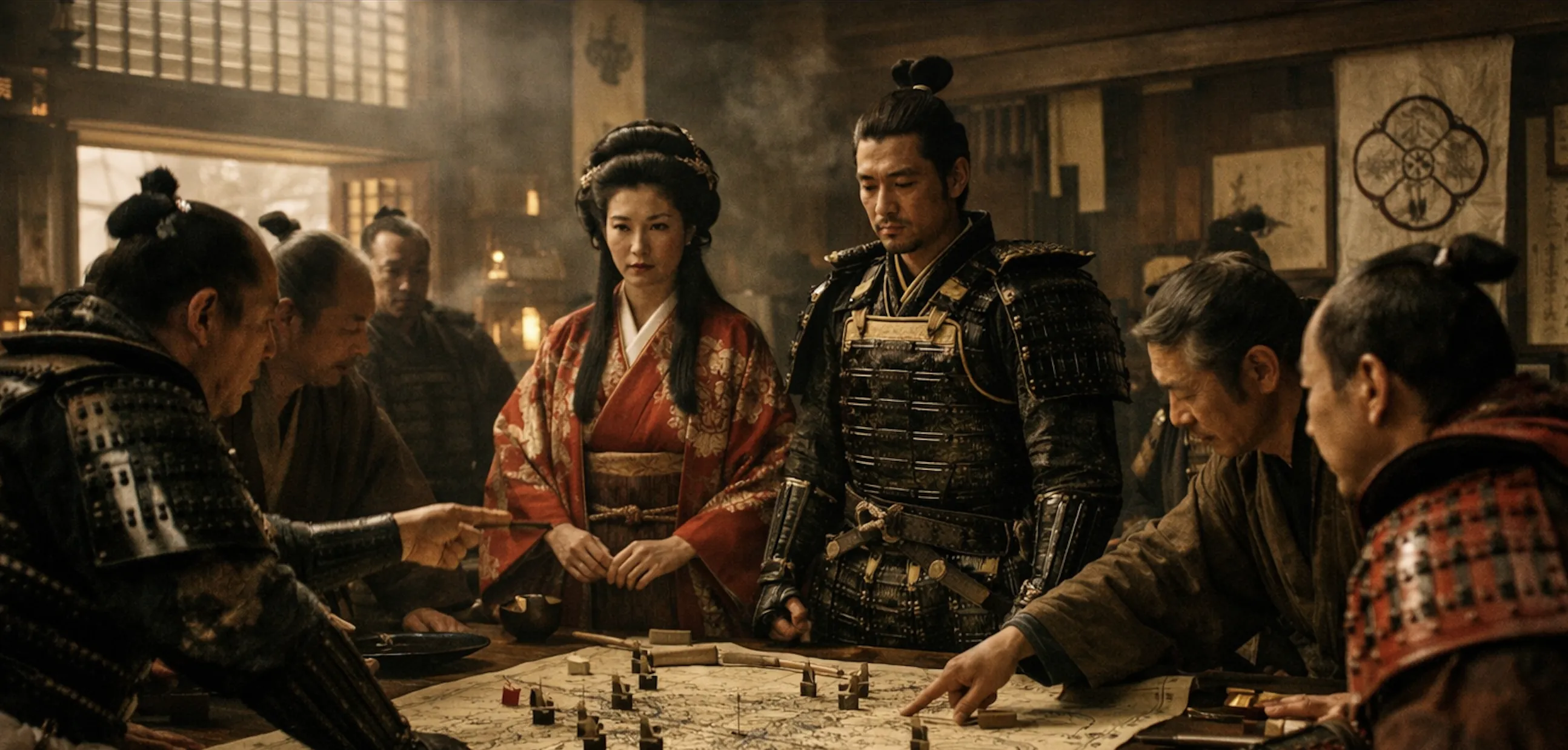
When the Meiji Restoration overturned the shogunate in 1868, the relocation of the Emperor to Edo (renamed Tokyo) sparked intense debate. Leaders like Okubo Toshimichi famously argued for sento (transferring the seat of government) while keeping open the option of administrative mobility, wary of concentrating the nation's entire destiny in a single coastal plain.
Modern Unipolarity and the Return to Redundancy
The 20th century shattered this historical balance. Postwar industrial policy, centralized rail infrastructure, and corporate aggregation transformed Tokyo into an unprecedented hyper-capital. Today, Tokyo accounts for roughly 20% of Japan’s GDP and houses over 50% of major corporate headquarters.
The July 2026 Kumamoto earthquake—much like the 2016 Kumamoto quakes and the 2024 Noto Peninsula earthquake before it—demonstrates the sheer fragility of this centralized design. When local infrastructure snaps, national authorities must scramble to re-route logistics, maintain power grids, and preserve supply chain continuity. If a similar event disables the Kasumigaseki bureaucratic district or the Bank of Japan in Tokyo, the nation faces total administrative paralysis.
The statutory framework passed this month does not propose building a flashy, brand-new city from scratch. Instead, it creates legal mechanisms to designate alternative administrative nodes—most logically Osaka and the Kansai region—equipped with redundant telecommunications, emergency command structures, and pre-assigned ministerial authority ready to activate instantly during a crisis.
Conclusion: Statecraft as Resilience
Japan’s modern push toward secondary capital capacity should not be understood merely as an emergency response to seismic modeling. It is the restoration of an ancient, battle-tested governance model.
As the clean-up from this week’s quake in Kyushu begins, the lesson for policymakers in Tokyo and abroad is clear: resilience is not found in building ever-higher sea walls or stronger shock-absorbers in a single city. True resilience lies in geographic distribution. By reviving fukuto-sei, Japan is turning back to its 1,300-year-old instinct—ensuring that no single disaster, no matter how severe, can ever knock out the state.
Frequently Asked Questions
What is fukuto-sei?
Fukuto-sei (multi-capital arrangement) is the Japanese system of maintaining a primary imperial seat alongside a secondary capital. It was first codified in 683 by Emperor Tenmu, who established Asuka as the imperial seat while ordering the construction of a secondary capital at Naniwa, modern Osaka, as a hedge against catastrophic failure.
Why did Japan historically maintain backup capitals?
Early Japan faced a volatile mix of continental geopolitical threats, severe epidemics, and relentless seismic activity, so anchoring the state to a single geographic point invited total vulnerability. Throughout the Nara and Heian periods capitals were relocated or duplicated — from Fujiwara-kyō and Nara to Nagaoka-kyō and Kyoto — not merely out of religious pollution fears, but as calculated political resets and risk-mitigation strategies.
What does Japan's July 2026 secondary capital law do?
Enacted on July 24, 2026 amid a 70% probability of a magnitude-7 earthquake beneath Tokyo within 30 years, the statutory fukuto framework creates legal mechanisms to designate alternative administrative nodes — most logically Osaka and the Kansai region — equipped with redundant telecommunications, emergency command structures, and pre-assigned ministerial authority ready to activate instantly during a crisis.
How did the Tokugawa shogunate divide power across three cities?
The Tokugawa regime established a tri-polar axis: Edo (Tokyo) as the political and military headquarters, Kyoto as the cultural and symbolic center housing the imperial court, and Osaka as the financial engine managing the national rice market and commercial credit networks. By distributing the functions of state, a disaster in one node — such as the Great Meireki Fire that destroyed two-thirds of Edo in 1657 — could not paralyze the nation.
Why is Tokyo's hyper-centralization considered an anomaly?
Modern Tokyo's extreme centralization is an anomaly of the post-WWII economic miracle, not the historical norm. For over 1,300 years Japanese governance relied on geographic distribution and functional redundancy. Today Tokyo accounts for roughly 20% of Japan's GDP and over 50% of major corporate headquarters — a concentration that leaves the entire state vulnerable to a single catastrophic event.