Corporate Team Building:
Osaka's Historical Dilemmas
400 years. 1,000 years. 1,500 years. Three historical dilemmas. What would your team do?
Private corporate experience · 10–40 participants · ¥200,000–¥400,000 per group
History gives you the problem. Your team has to solve it.
You don't have to agree with history.
How It Works
Investigate. Debate. Decide. Reveal. Reassess. Vote.
You are in this situation. You have these resources, these risks, and these competing priorities. What do you do?
Investigate
Your teams receive the evidence for a real historical dilemma — the situation, the players, and what was at stake. The outcome is deliberately withheld until the day.
Debate
Teams argue it out among themselves: the options on the table, the risks attached to each, and the competing priorities.
Decide
Each team commits to a defensible solution before anyone sees how the story ends.
Reveal
Here is what actually happened — what the people involved decided, on what reasoning, and what followed. The historical outcome enters as evidence.
Reassess
Armed with hindsight, teams reconsider the decision they just made and say what they would change, if anything.
Vote
Which decision would you stand behind? Keep the original, change it, agree with history, or disagree with history — the vote is yours.
There is no predetermined winning outcome. Reasonable teams reach different conclusions, and that is the point.
Before & After
A complete arc: one page to prepare with beforehand, and a record of what your team decided afterward.
The Team Brief
A polished one-page brief sent to participants in advance, so everyone arrives ready — without giving the dilemma away.
- What you're doing — a short explanation of the historical dilemma format
- What you don't need — no prior knowledge of Japanese history required
- What to expect — investigate, debate, decide, reveal, reassess, vote
- How to prepare — come ready to defend a decision you may not personally agree with
- Practical information — meeting point, duration, clothing and weather, language
- One intriguing historical question — with deliberately not enough information to answer it
Your Post-Event Team Pack
Two documents delivered to your organizer after the session, so the experience keeps working once everyone goes back to the office.
- Team Decision & Decision-Making Report — for each dilemma: your team's original decision, the historical decision, what actually happened, your post-reveal assessment, and the final vote, plus the decision-making tensions your teams actually encountered: incomplete information, competing priorities, risk vs. opportunity, short-term vs. long-term thinking, disagreement within teams, hindsight
- Organizer Debrief Sheet — one page of questions to run with your team afterward: which dilemma produced the most disagreement, what did teams prioritize, what changed after the reveal, what happened when an assumption was challenged
No pre-reading, no homework, no quiz. Participants meet the problem without knowing the answer — that is the point.
Why Teams Do It
Good teams don't just make decisions. They make them with incomplete information, competing priorities, and people who see the problem differently.
Think under pressure
Work with incomplete information and competing priorities.
Disagree productively
Defend a position, challenge assumptions, and negotiate with your team.
Reconsider decisions
See what happened, confront hindsight, and decide whether you would do it differently.
Three Historical Dilemmas
Each session is built on real, documented history — deliberately withheld until the day.
A documented dilemma from the emergence of Japan's first shogunate.
Where the evidence comes from →A documented dilemma from the age of the Soga clan and the imperial court.
Where the evidence comes from →The details stay withheld on purpose: you will receive the evidence for each dilemma during your session.
Your Facilitator
Edward Iftody is a historian, educator, and course developer who has taught in Japan since 2009. Based one block from Osaka Castle, he specializes in Japanese political history, historical geography, and historical research.
During your session he serves not as a tour guide but as your facilitator and moderator: he presents the evidence, runs the debate, opens the reveal, and ensures every team has the same information before the final vote.
The Setting
This is not a walking tour. Your teams work outdoors in Osaka Castle Park, on the Uemachi Plateau — the landscape at the centre of the history you will examine. Fewer stops than our public walking tour, by design: the time goes into team discussion and decision-making, not sightseeing.
- Osaka Castle Park and the Uemachi Plateau
- Groups of 10–40 participants
- Larger groups work in parallel teams — nobody watches from the sidelines
- English, Japanese, or bilingual facilitation
Who It's For
A private corporate experience, run for one group at a time.
- Company retreats
- Corporate team-building events
- International teams visiting Japan
- Executive and leadership groups
- Conference and incentive groups
- Employee development programs
- Private corporate groups visiting Osaka
Explore the Evidence
These dilemmas are drawn from documented history, and the research is public. This is where the evidence comes from.
The emphasis and supporting historical material can be adjusted to suit your group's interests and objectives. Additional historical themes can also be developed by request.
~1,500 years ago — Asuka politics and royal power
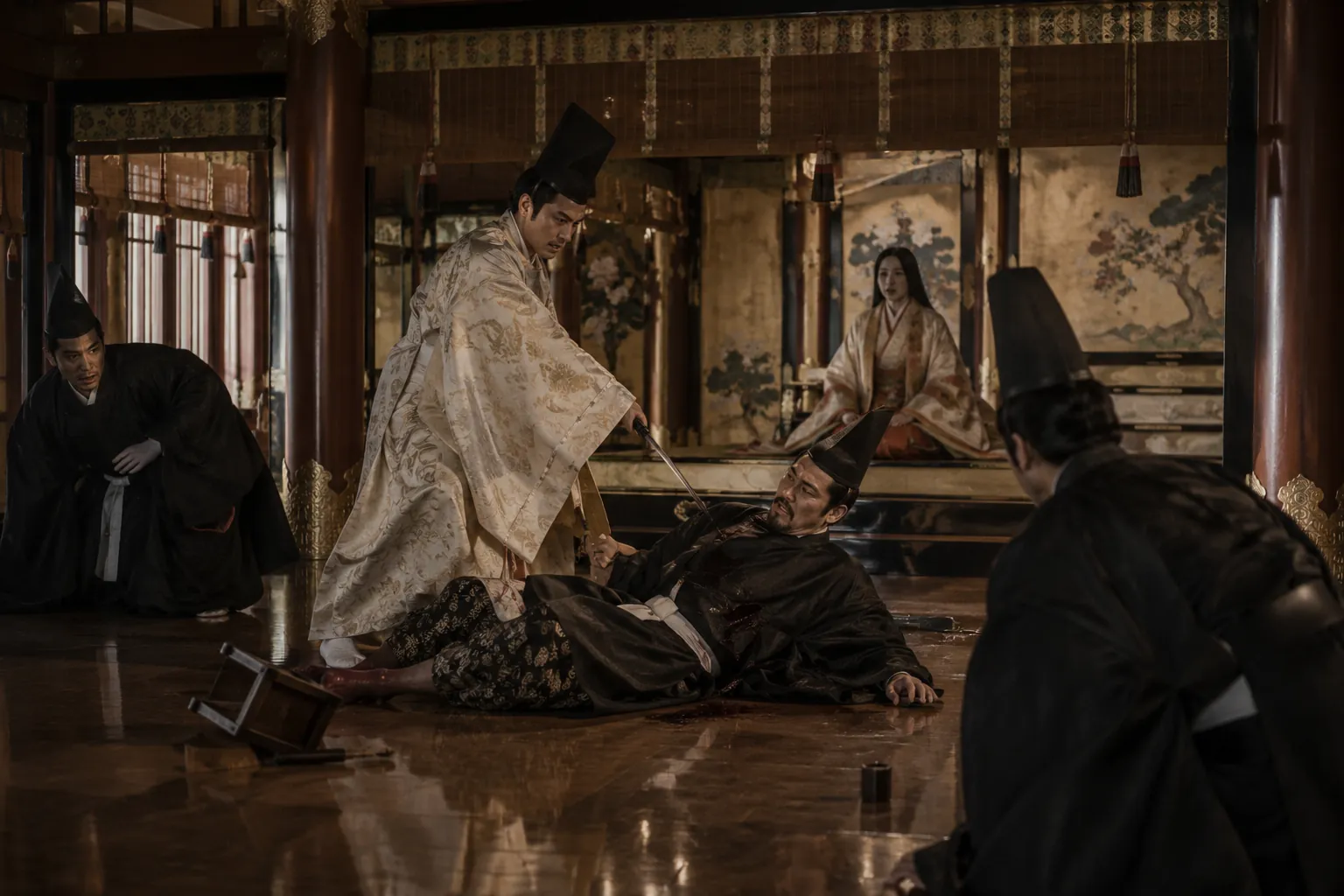
Soga, Fujiwara & The Imperial Line
The rise of the Soga clan, the Isshi Incident, and centuries of Fujiwara dominance over the imperial line.
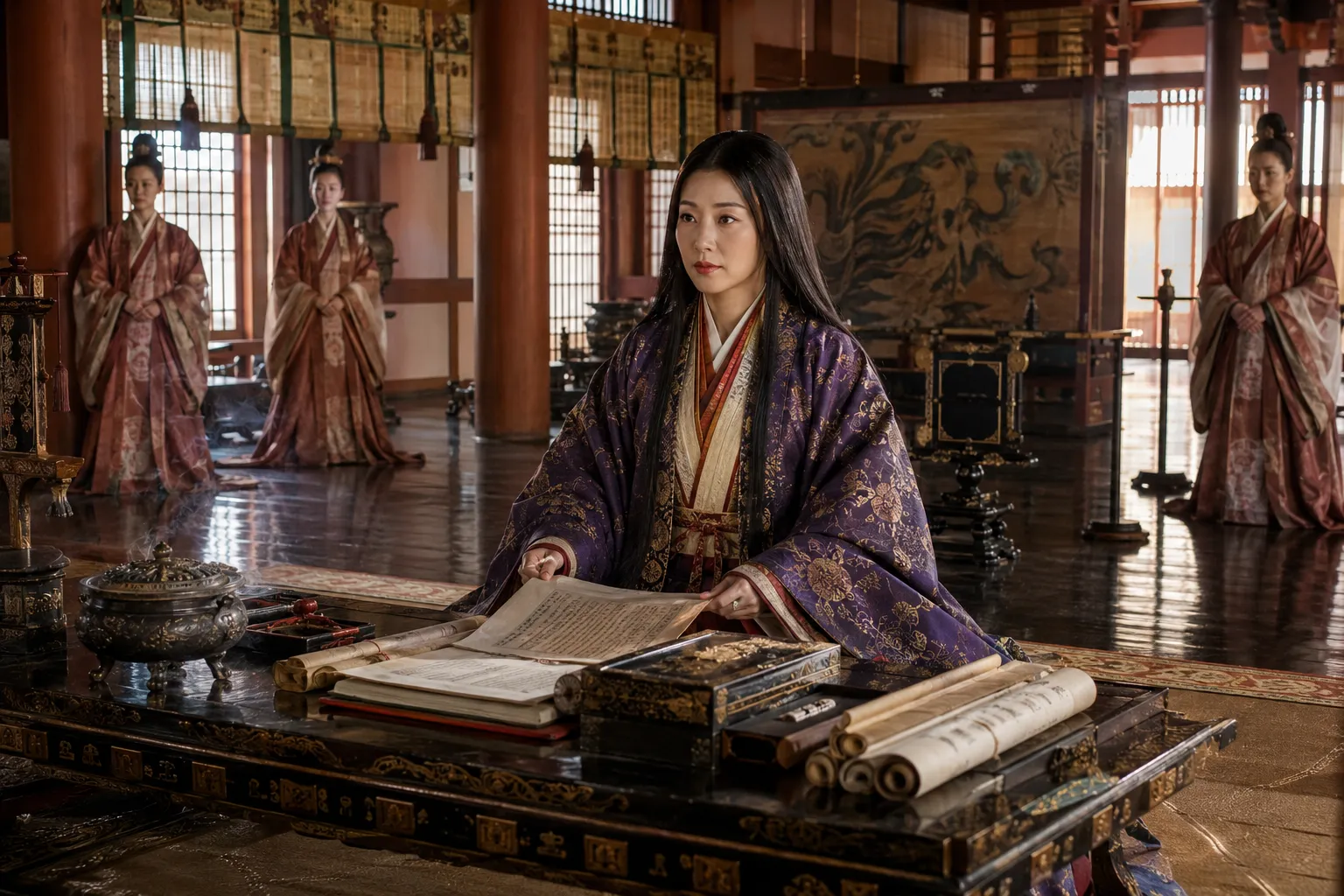
Empress Shotoku, Dokyo & Naniwa Dynamics
Scholarly timeline of Empress Shotoku, the monk Dokyo, and how they reshaped imperial succession and the Naniwa capital.
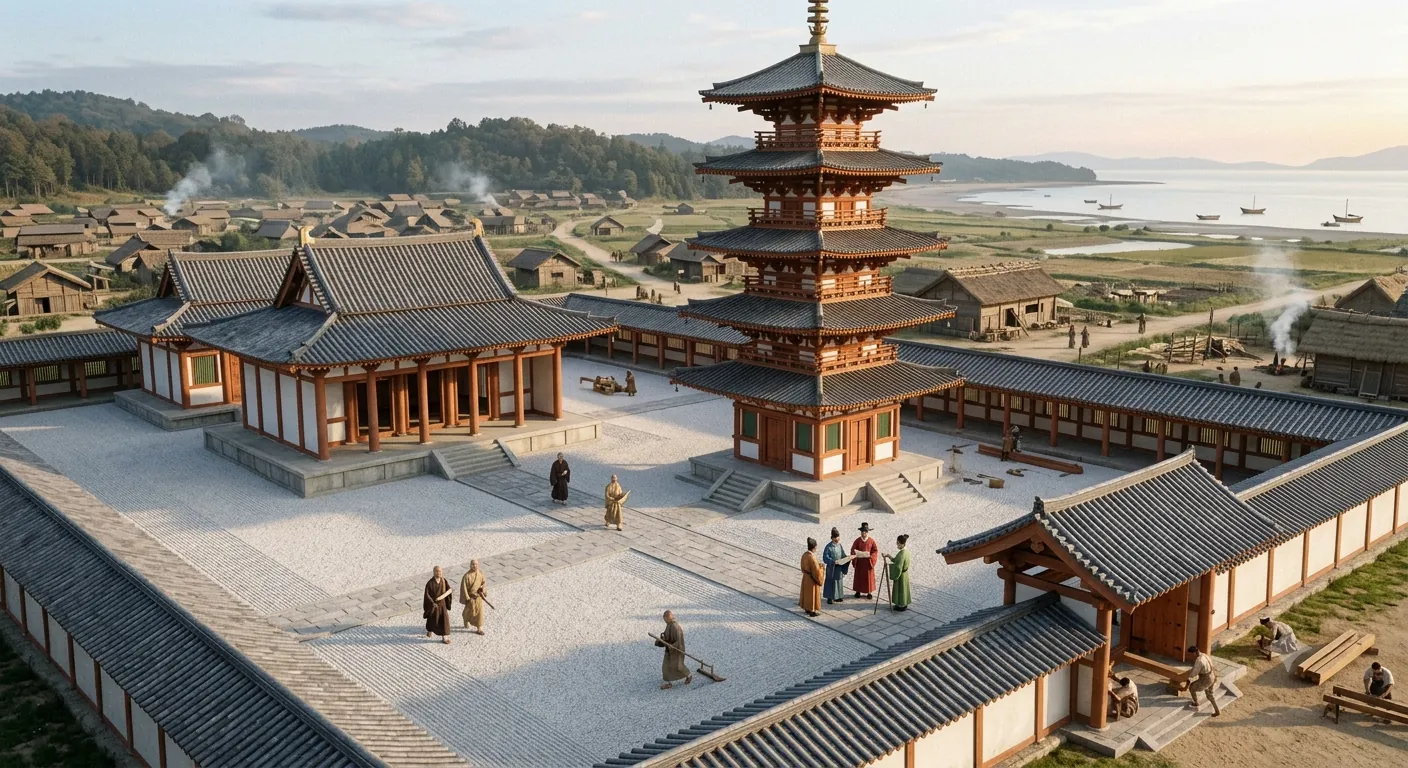
Shitenno-ji: 1,400 Years of Power, Faith, and Survival
The complete history of Shitenno-ji from its founding by Prince Shotoku in 593 CE.
~1,000 years ago — Warriors and the court
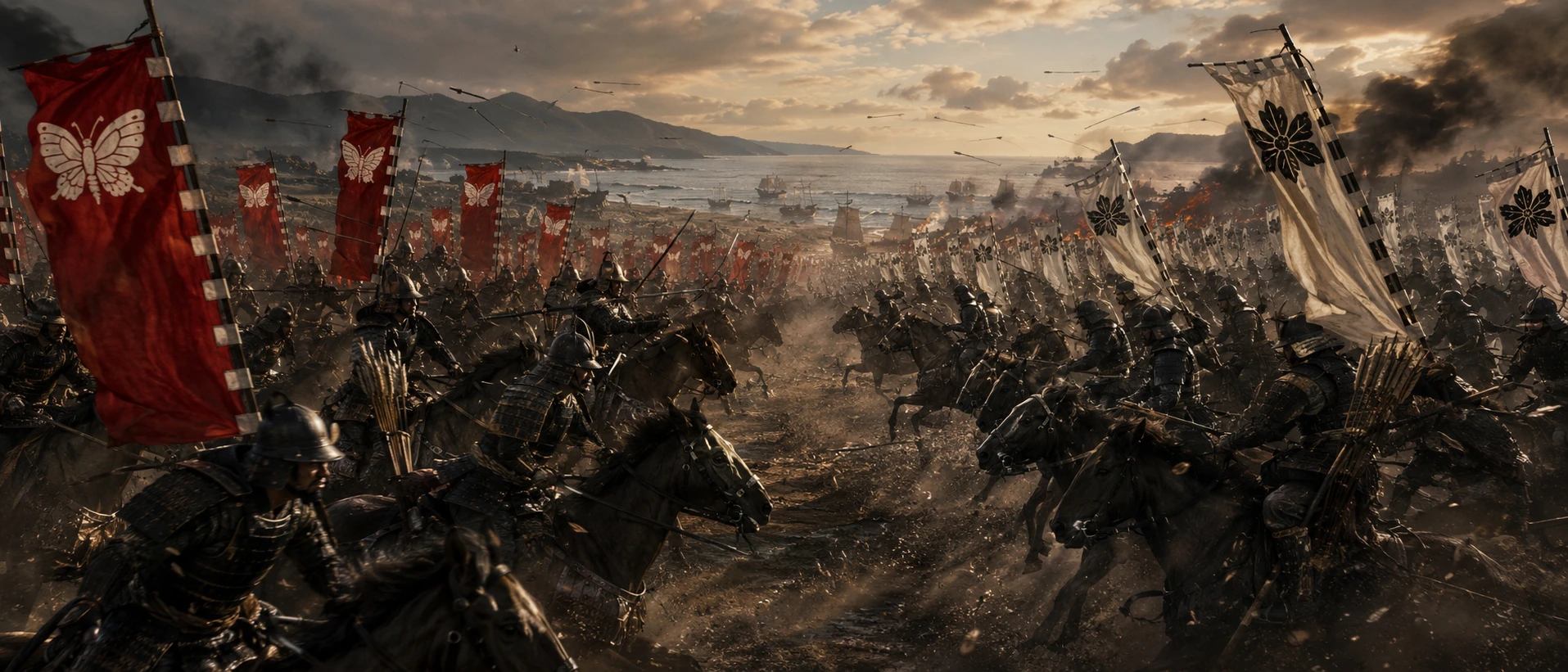
Taira, Minamoto & the First Shogunate
The imperial origins of the Taira and Minamoto clans, the Genpei War, and the birth of Japan's first shogunate.
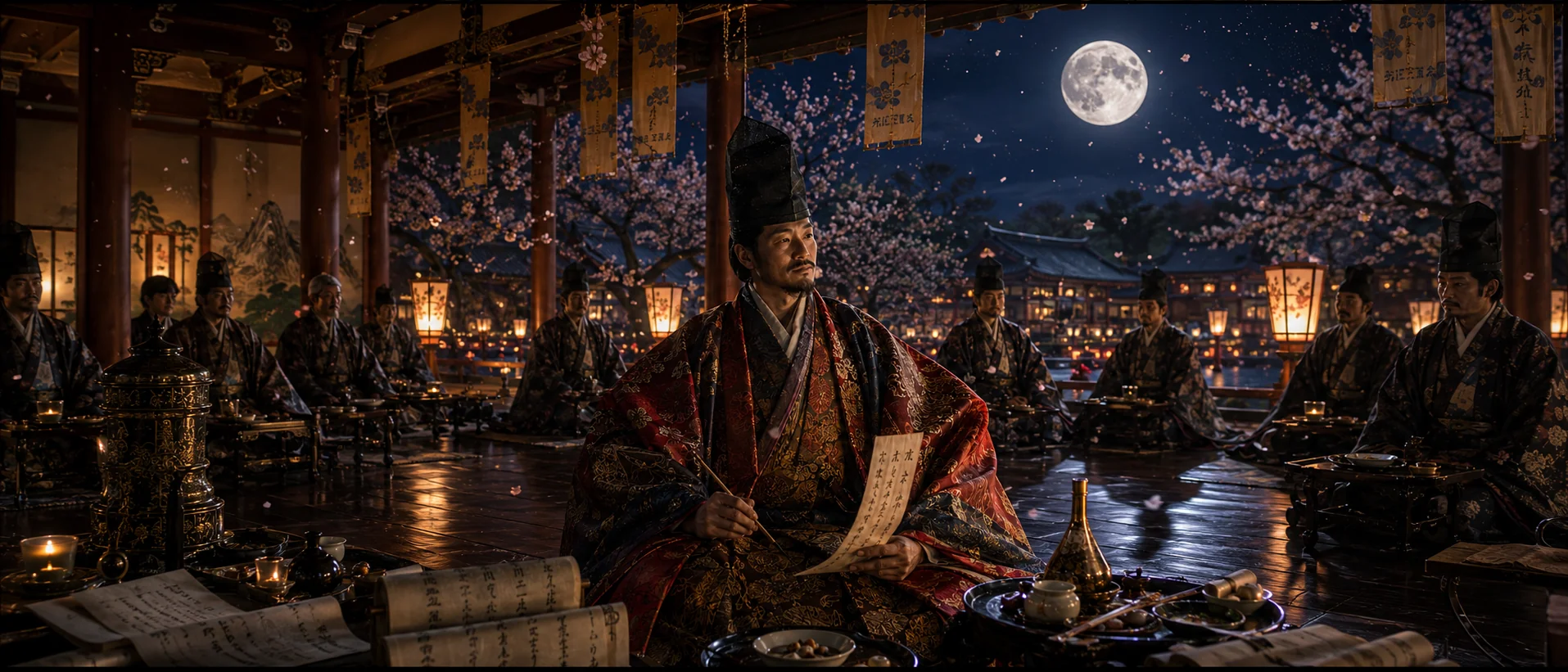
The Fujiwara Regency — Shadow Politics of the Imperial Throne
How the Fujiwara clan dominated the throne for five centuries through regency offices and marriage alliances.
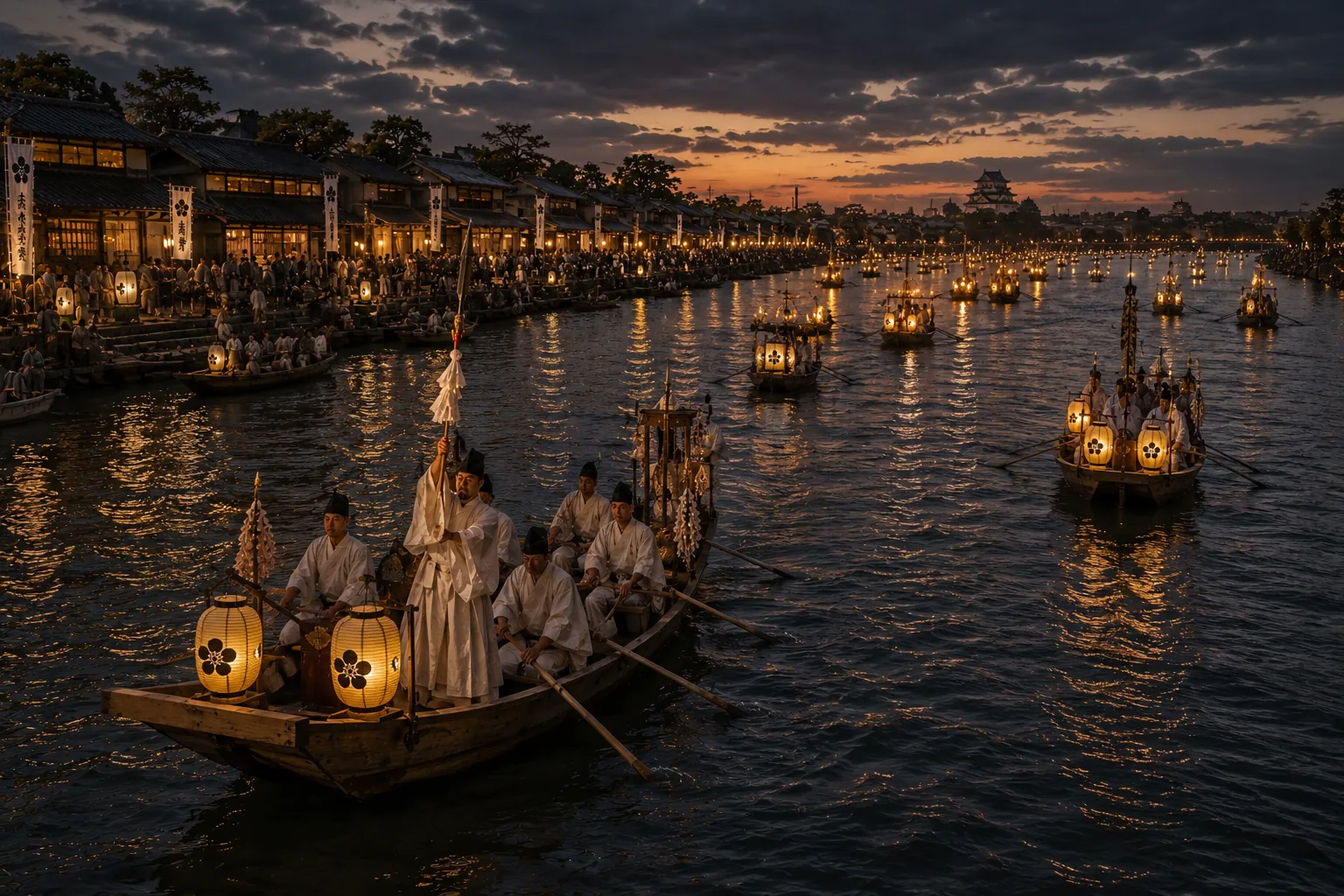
Tenjin Matsuri — Osaka's Greatest Water Festival
Sugawara no Michizane, the emperor, and the Fujiwara clan — a classic dilemma of surviving a change in political power, from the court intrigue behind Michizane's exile to Osaka's greatest festival.
~400 years ago — Toyotomi and Tokugawa Osaka
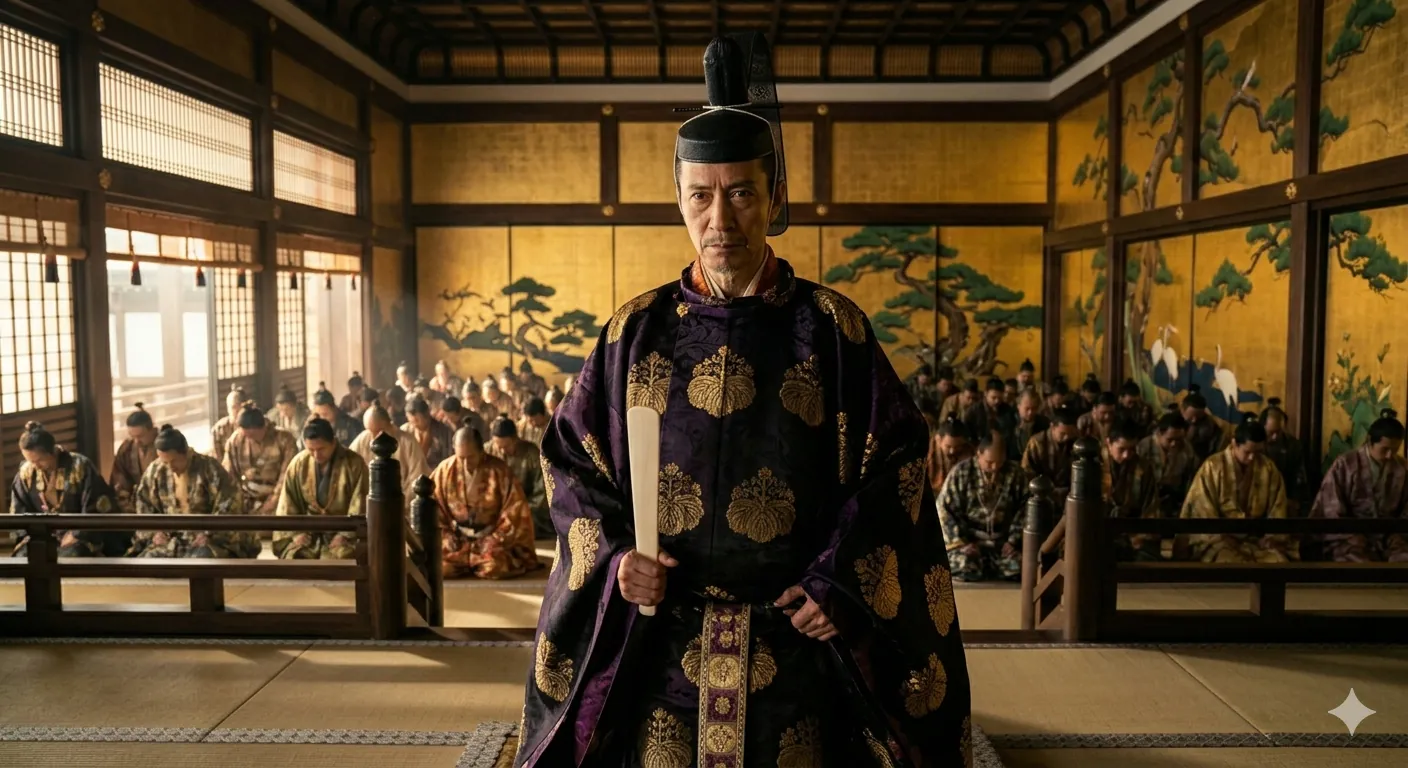
The Taikō's Path — A Toyotomi Hideyoshi Timeline
Toyotomi Hideyoshi's rise from peasant foot-soldier to Japan's unifier and builder of Osaka Castle.
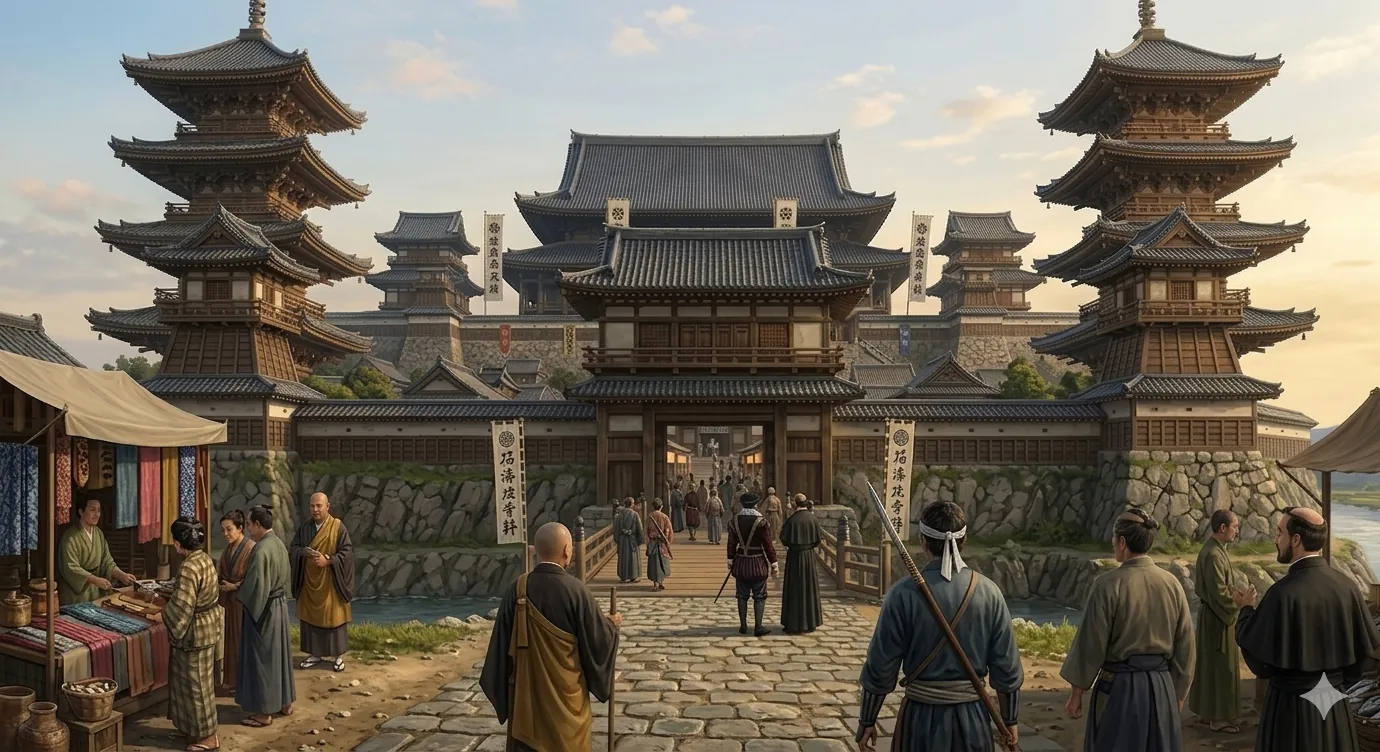
The Ishiyama Honganji War (1570–1580)
Why Oda Nobunaga spent a decade besieging Osaka's warrior-monk fortress.
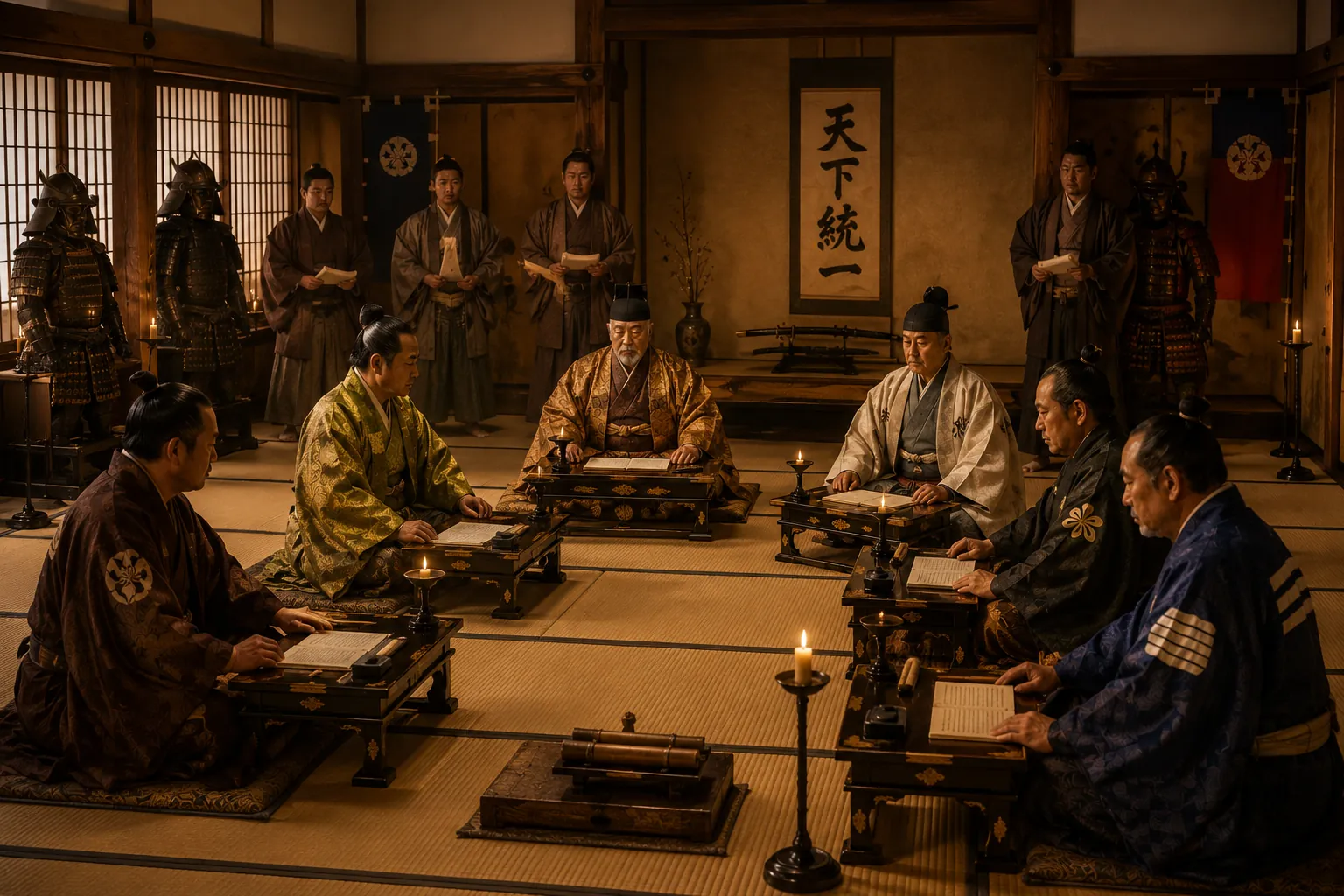
The Sleeping Dragon — A Tokugawa Ieyasu Timeline
Tokugawa Ieyasu's patience, betrayal, and the sieges of Osaka that established the shogunate.
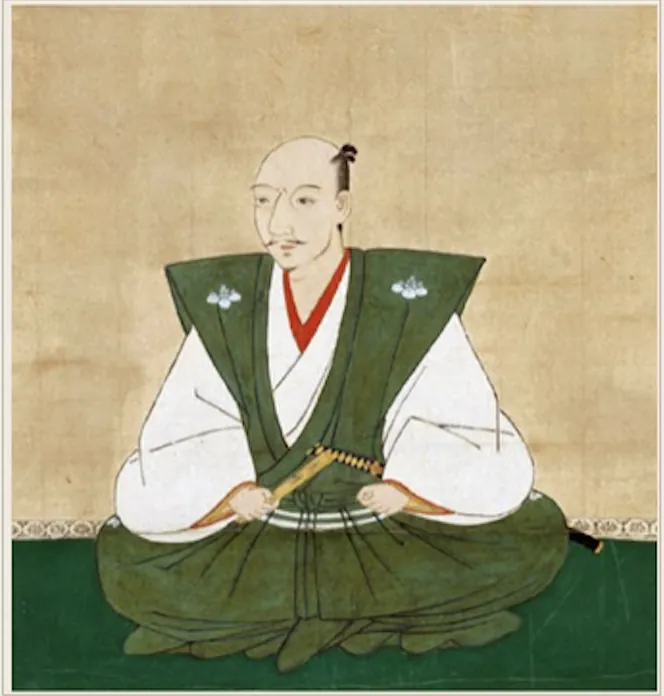
Three Unifiers — Osaka Castle Walks with Edward
Oda Nobunaga, Toyotomi Hideyoshi, and Tokugawa Ieyasu — three men, one castle, sixty years.
Custom themes
| Period | Historical theme | What teams examine |
|---|---|---|
| ~1,500 years ago | Royal power & the aristocracy | How authority is maintained and transferred |
| ~1,000 years ago | Warriors & the court | How new power legitimizes itself |
| ~400 years ago | Toyotomi & Tokugawa Osaka | What to choose under uncertainty |
| Osaka's landscape | Historical geography | How geography shapes politics |
For Organizers
One complete program, from preparation to follow-up.
Participants receive a pre-event Team Brief, take part in a fully facilitated session, and receive a Post-Event Team Pack afterward. We handle the historical research, materials, facilitation, and session structure.
Send us your group size, preferred dates, and session language and we will confirm availability and practical arrangements.
Pricing
Private corporate experience · 10–40 participants · ¥200,000–¥400,000 per group
Up to 15 participants
Up to 30 participants
Up to 40 participants
One group, one price. No per-person calculation. The same private session in every package — send an enquiry with your group size and preferred dates and we will confirm availability. For travel agencies and DMCs, pricing is arranged individually.
FAQ
What makes this corporate team-building experience different?
Three things set it apart. It is built on documented historical evidence — three historical dilemmas drawn from Japanese history — rather than invented scenarios. Every participant investigates, debates and votes instead of watching a few people discuss. And it runs as a private session for your group, outdoors in and around Osaka Castle Park, in English, Japanese or both.
Can you provide corporate team building in Osaka for groups of 10–40 people?
Yes. The experience is designed for private groups of 10–40 participants. Larger groups are divided into parallel teams so everyone takes part in the investigation and debate rather than watching a discussion among a few people.
Is this suitable for international or multilingual teams?
Yes. Sessions can run in English, Japanese, or bilingually. Japanese history knowledge is not required, so Japanese and international participants can work together on the same dilemmas.
Do participants need to know Japanese history?
No. Teams receive the relevant evidence during the session, and Edward explains the historical background before each debate begins. The experience is designed around the evidence provided on the day rather than prior knowledge.
Is this an Osaka Castle tour?
No. It is a facilitated decision-making session held in and around Osaka Castle Park. There is less walking than on a public walking tour by design: the time is used for investigation, discussion, and team decision-making.
Can this be used for a company retreat, leadership program, or employee development event?
Yes. The private format can be used for corporate retreats, team-building events, leadership groups, employee development programs, conference and incentive groups, and international teams visiting Osaka.
How does the team-building experience work?
Teams investigate a real historical dilemma, debate competing options, commit to a decision, reveal the historical outcome, reassess their decision, and vote. There is no predetermined winning answer; different teams may reach different conclusions.
What do participants receive before and after the session?
Before: a one-page Team Brief sent 3–7 days in advance — what the format is, what to expect, how to prepare, and the practical details. It deliberately does not include enough historical information to give anyone the answer in advance; the evidence is handed out during the session. After: within 24–48 hours your organizer receives a Post-Event Team Pack — a record of your team's decisions against what actually happened, plus a one-page Organizer Debrief Sheet of questions to continue the conversation with your team.
How much does corporate team building in Osaka cost?
Pricing is by private group size, not per person: Up to 15 participants — ¥200,000 Up to 30 participants — ¥300,000 Up to 40 participants — ¥400,000 Availability is confirmed by enquiry.
Can the session be run in English and Japanese?
Yes. It can be conducted in English, Japanese, or bilingually. Please specify your team's working language when making an enquiry.
How do I arrange a private corporate session?
Send your company name, group size, preferred date, and session language through the enquiry form. We will confirm availability and the next steps.
Plan Your Team-Building Experience
Tell me about your group — company, group size, and preferred dates — and I will come back with availability and next steps.