Historic Osaka stretching from ancient Japan to Osaka Castle

Historic Osaka

Explore 19 Stories Behind Japan's Greatest Castle City

ANCIENT CAPITALS • TEMPLES • ARCHAEOLOGY • SAMURAI • BATTLEFIELDS • WALKING TOURS

Why Explore Historic Osaka?

For many visitors, Osaka is Japan's kitchen—a city famous for street food, neon lights and unforgettable nightlife. Yet beneath the modern skyline lies one of the country's richest historical landscapes. Long before Tokyo became Japan's political centre, Osaka stood at the crossroads of trade, diplomacy, religion and military power.

Over more than two thousand years, emperors established capitals here, Buddhist monks transformed the spiritual landscape, merchants built fortunes that reshaped the nation's economy, and rival samurai armies fought battles that determined the future of Japan.

This guide brings those stories together in one place. Whether you're searching for iconic landmarks such as Osaka Castle, hidden archaeological sites, ancient temples or the forgotten battlefields of the Siege of Osaka, you'll find carefully researched historical context, practical visitor information and links to explore each story in greater depth.

Your Journey Through Historic Osaka

Osaka's story spans more than two millennia. From prehistoric settlements and Japan's earliest rulers to Buddhist temples, merchant districts, samurai battlefields and the modern city you see today.

The Uemachi Plateau and the origins of ancient Osaka

Ancient Osaka

Long before Kyoto or Tokyo existed, Osaka was already one of the most strategically important places in Japan. Protected by the Uemachi Plateau and connected to the sea by rivers and wetlands, it became a centre of trade, political power and cultural exchange thousands of years ago.

The story begins with prehistoric settlements, expands through the age of the great kofun, and culminates in the emergence of the Yamato state. Many of these places are hidden beneath the modern city, but together they reveal how Osaka became one of the foundations upon which Japan itself was built.

View across the Uemachi Plateau, the birthplace of historic Osaka
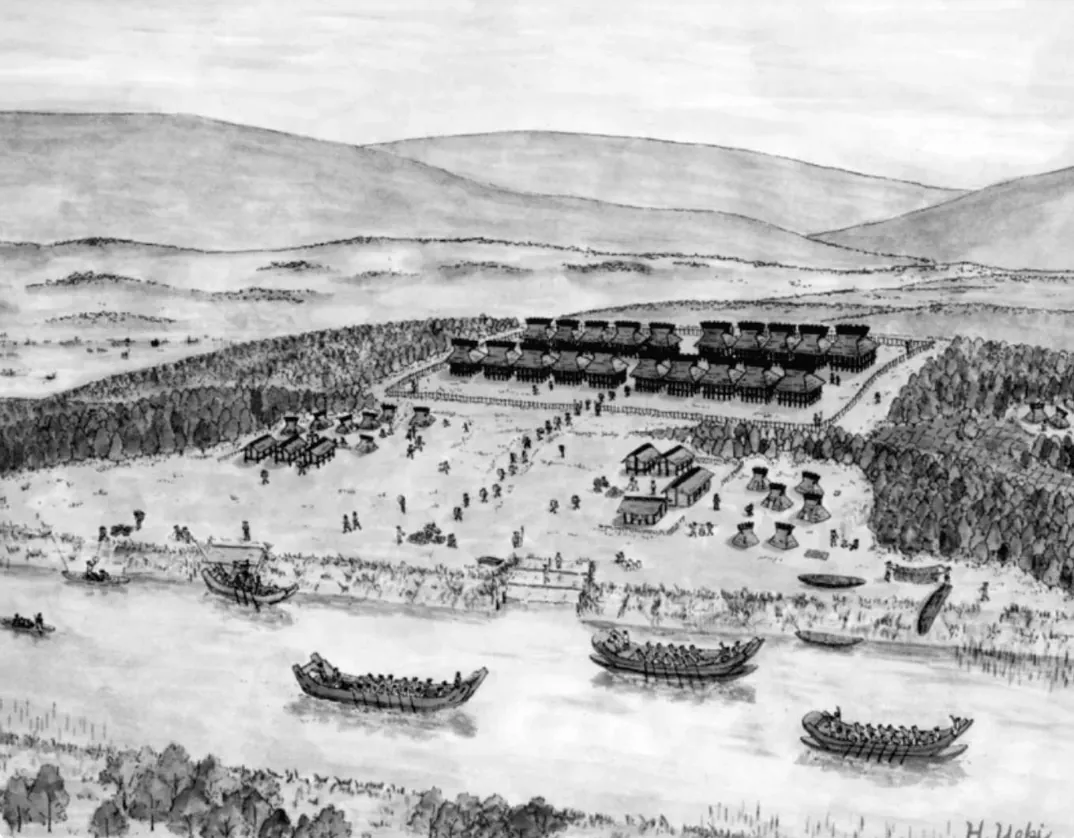
Artistic Recreation of warehouses in Ancient Osaka - 450 CE

The Uemachi Plateau

Two million years in the making, the Uemachi Plateau rose above the wetlands and tidal inlets that once covered much of Osaka. This narrow ridge provided one of the few areas of dry, defensible ground in the entire region. For thousands of years, it naturally attracted settlement, trade, religious centers, and eventually supreme political power—making it one of the most historically significant landscapes in all of Japan.

Why It Matters

Geography shaped history. Without the natural ridge of the Uemachi Plateau, Osaka may never have developed into the strategic crossroads that connected inland Japan with the sea.

Visitor Information

Time Needed
1 day
Best Starting Point
Osaka Castle Park or Shitenno-ji
Admission
Free
Best Combined With
Naniwa Palace, Osaka Castle and Shitenno-ji

Local Historian's Insight

Modern Osaka feels almost completely flat, making it difficult to appreciate why this ridge mattered so much. Two thousand years ago the surrounding landscape looked entirely different. Standing here meant controlling one of the few reliable routes between the Inland Sea and the fertile plains to the east. Many of Osaka's greatest historical sites were later built on this same ridge for exactly that reason.
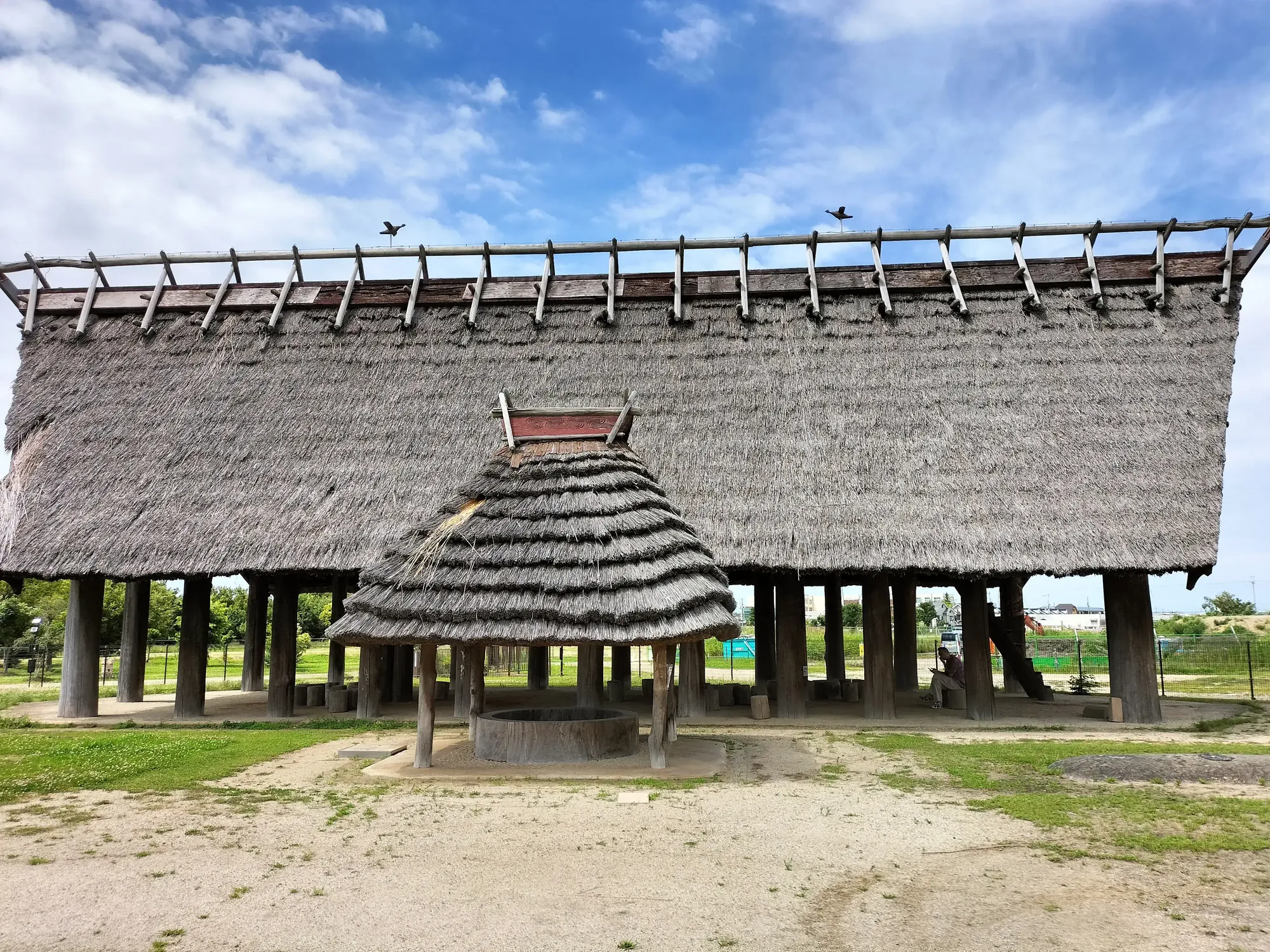
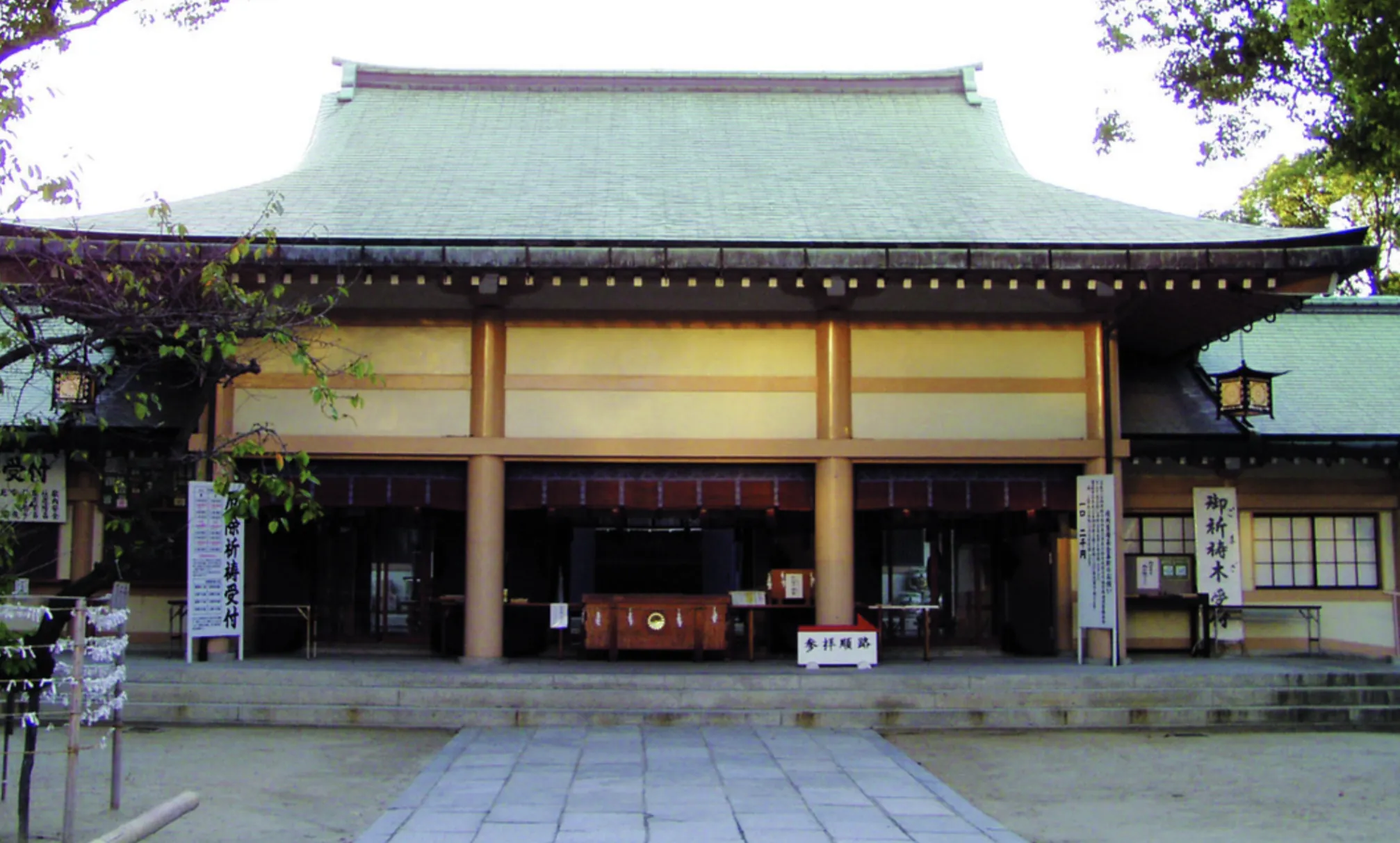
Archaeological discoveries in Sakai (South Osaka)
Yayoi Era warehouse reconstruction with a covered well in the foreground - 300 BCE or earlier

Ikegami‑Sone Archaeological Park

Long before Osaka Castle, long before the Naniwa Palace, and long before Japan even had written history, the Ikegami‑Sone settlement flourished on the southern edge of Osaka. This remarkable archaeological park preserves one of Japan’s largest Yayoi‑period communities — with roots reaching back into the late Jōmon era. It is the only place in Osaka where you can physically walk through a prehistoric landscape.

Why Visit?

Ikegami‑Sone is the closest you can get to experiencing ancient Osaka as it truly was. Reconstructed pit dwellings, raised‑floor buildings, and excavated ground plans allow visitors to stand inside a settlement that predates Osaka Castle by nearly two thousand years. Seeing these structures in person transforms your understanding of how people lived before rice agriculture, before imperial capitals, and before the city we know today.

Visitor Information

Time Needed
45–60 minutes
Nearest Station
Izumi‑Fuchū Station (JR Hanwa Line)
Admission
Free
Nearby Highlights
Ikegami‑Sone Yayoi Information Center (池上曽根弥生情報館), Osaka Prefectural Museum of Yayoi Culture, Izumi City cultural walking routes

Local Historian's Insight

Ikegami‑Sone is one of the few places where Osaka’s deep past is still visible above ground. Standing inside a reconstructed Yayoi pit dwelling — knowing that Jōmon pottery was found just beneath your feet — gives visitors a rare sense of continuity. It’s my favourite example of how Osaka’s story didn’t begin with the castle or the palace, but with small communities shaping the land thousands of years earlier.

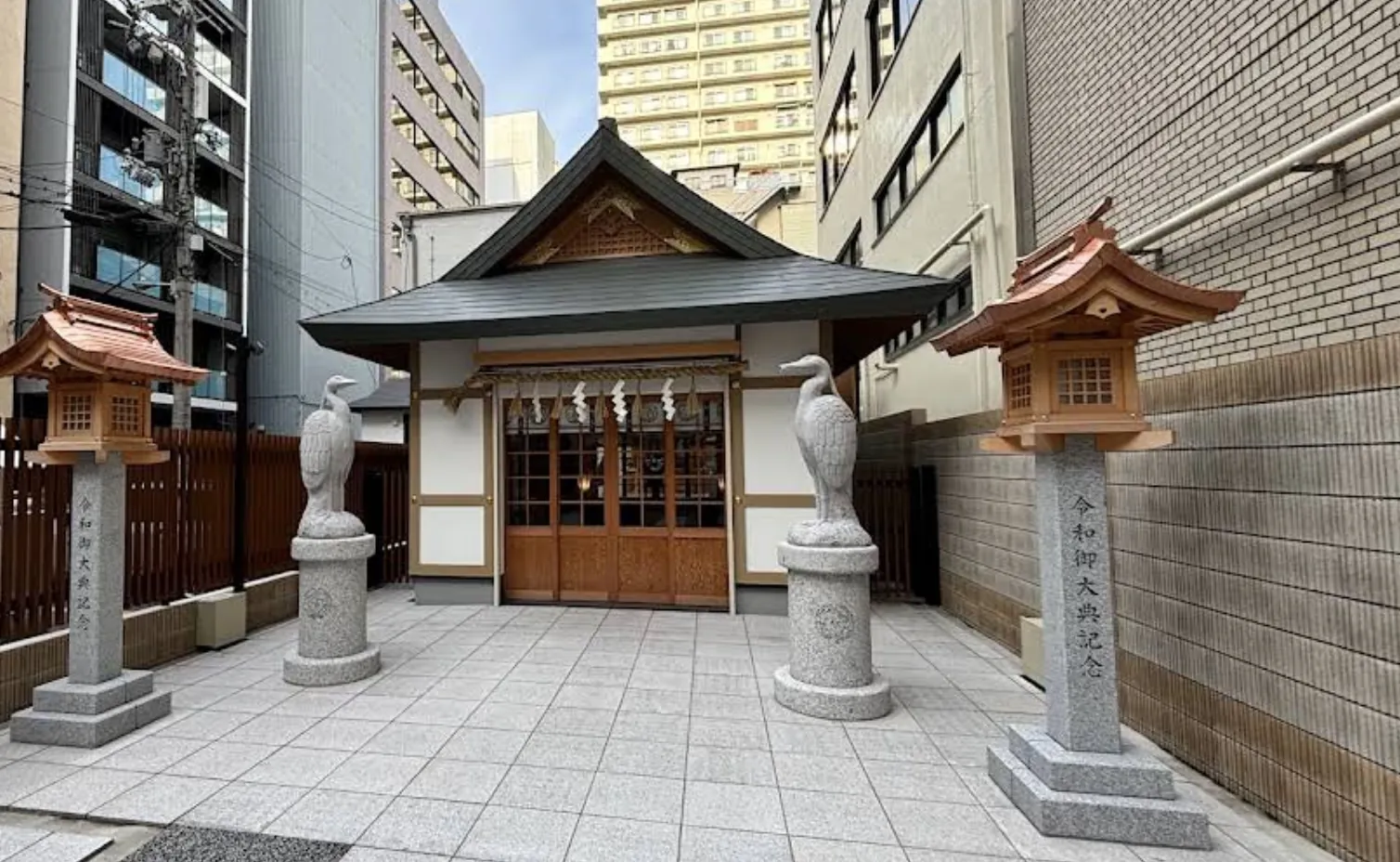
Ikukunitama Shrine in central Osaka
Mythological Origins

Ikukunitama Shrine

Guardian Shrine of Ancient Naniwa

Tradition holds that Ikukunitama Shrine was founded by Emperor Jimmu (Japan's first Emperor), making it one of Osaka's oldest religious sites. Although its exact origins lie beyond recorded history, the shrine has protected the city for well over a thousand years and remains deeply connected to Osaka's identity.

Why It Matters

At least a millennium before Toyotomi Hideyoshi laid the first stone of Osaka Castle, the ground it sits on was a sacred area belonging to Ikukunitama. In 1583, Hideyoshi ordered the entire shrine compound to be relocated to its current site in Tennoji to make room for his military fortress. When you walk through the Otemon Gate to enter the castle, you are walking over the shrine's original home.

Visitor Information

Recommended Time
45–60 minutes
Admission
Free
Nearest Station
Tanimachi 9-chome
Combine With
Shitennō-ji, Kuromon Market and Hozenji

Local Historian's Insight

This is one of my favourite places to introduce visitors to the difference between mythology and history. Rather than asking whether every tradition is literally true, it's often more interesting to ask why later generations preserved these stories and what they tell us about how ancient Osaka understood itself.

Sumiyoshi Taisha and Sorihashi Bridge
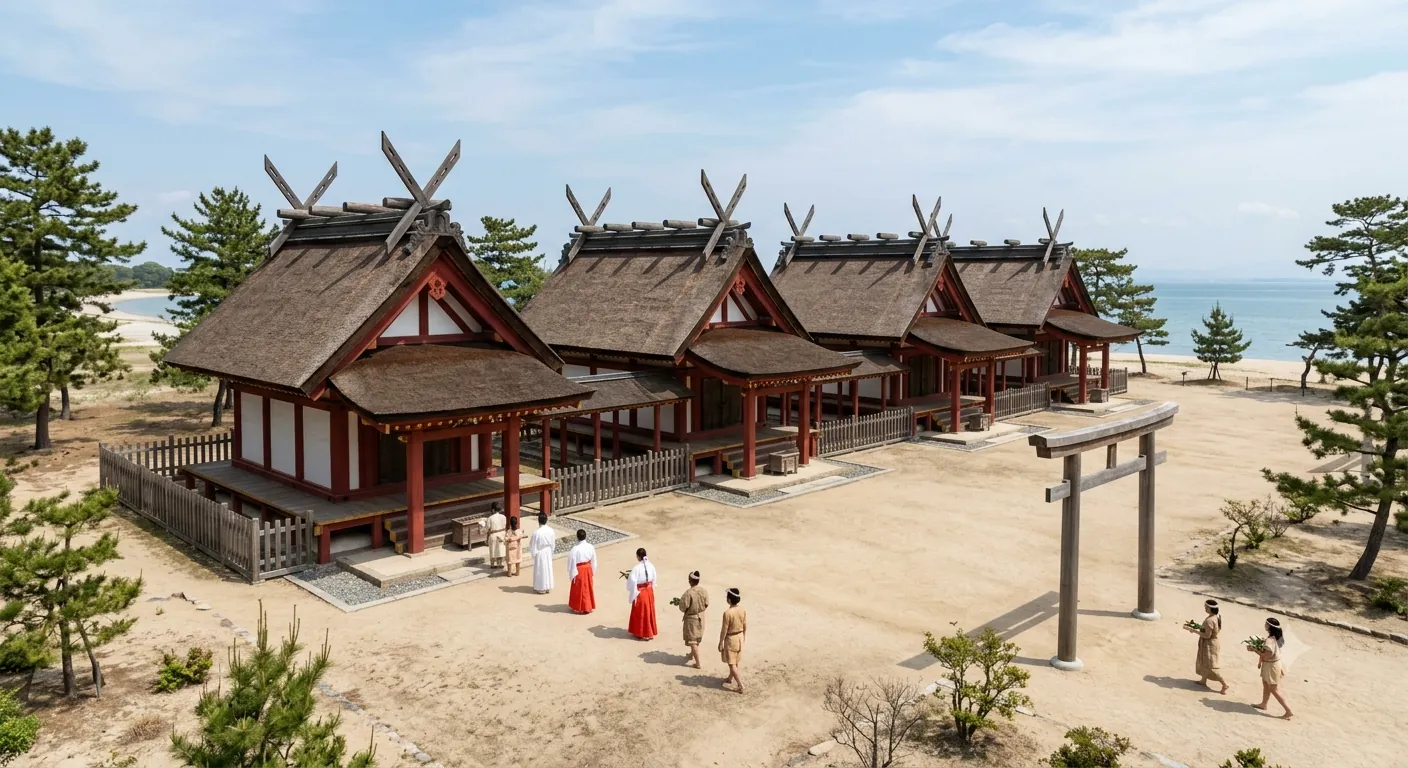
Artistic reconstruction of Sumiyoshi Taisha - 211 CE.

Sumiyoshi Taisha

One of Japan's Oldest Shinto Shrines

Founded in 211 CE - 400 years before Buddhism reached Japan - Sumiyoshi Taisha preserves one of the country's oldest surviving shrine traditions. Dedicated by Empress Jingū to the kami who protected sailors and overseas voyages, it reflects Osaka's long relationship with the sea and its role as Japan's international gateway.

Why It Matters

Long before Osaka became known for merchants and castles, ships were already leaving these shores for Korea and China. Sumiyoshi Taisha reminds us that Osaka's maritime history stretches back almost two thousand years. According to mythology, after returning from war and a three-year pregnancy, Empress Jingū gave birth to the semi-mythic Emperor Ōjin. In turn, Ōjin’s son—Emperor Nintoku—would go on to reshape the region, leaving behind one of the largest ancient burial tombs in the world—just south of here in Sakai.

Visitor Information

Recommended Time
60–90 minutes
Admission
Free
Nearest Station
Sumiyoshi Taisha Station
Combine With
Sakai, Hamadera and the old coastal route

Local Historian's Insight

Many visitors remember the famous Sorihashi Bridge, but for me the real significance lies in the shrine's architecture. Several of the buildings preserve the distinctive Sumiyoshi-zukuri style, one of the oldest surviving forms of shrine architecture anywhere in Japan.

Ikasuri Shrine Former Main Sanctuary and Temporary Sanctuary
Original Ancient Shrine Site

Ikasuri Shrine Former Main Sanctuary & Temporary Sanctuary

The Original Sacred Ground of Ikasuri Shrine

Long before Ikasuri Shrine was moved to modern Hommachi, its ancient rituals began here at Osaka’s oldest river port. This hidden sanctuary marks where Empress Jingū supposedly landed upon her legendary return to Naniwa, dedicating a shrine to the gods of voyages and anchoring her legacy to the very stone she rested upon.

Why It Matters

Tucked inside the iron gates of the Ikasuri Shrine’s detached palace (gū) rests the Chinza-ishi (鎮座石), a sacred boulder long associated with the shrine’s founding by Empress Jingū. The surrounding district, Ishimachi—‘Stone Town’—is said to have taken its name from the stonemasons who gathered here, though locals have long linked the district’s identity to the 'divine stone' that marks this ancient maritime gateway.

Visitor Information

Recommended Time
10–15 minutes
Admission
Free
Nearest Station
Tenmabashi Station (Keihan Main Line / Tanimachi Line)
Combine With
Watanabe-no-tsu monument, Hachikenya Hama pier, Osaka Castle Western Outer Moat

Local Historian's Insight

When Toyotomi Hideyoshi built Osaka Castle in 1583, he forced Ikasuri Shrine to relocate southwest to clear land for his ramparts—but he didn't dare move Empress Jingū's sacred resting stone. I actually stumbled upon this sanctuary by accident while searching for a parking space in the crowded Ishimachi district. Tucked away in a narrow alley, the iron gate caught my eye, and I realized I had walked right into a piece of Osaka’s deep history. It’s a perfect reminder that the city's most significant sites are often hiding in the gaps between modern life and the urban grid.

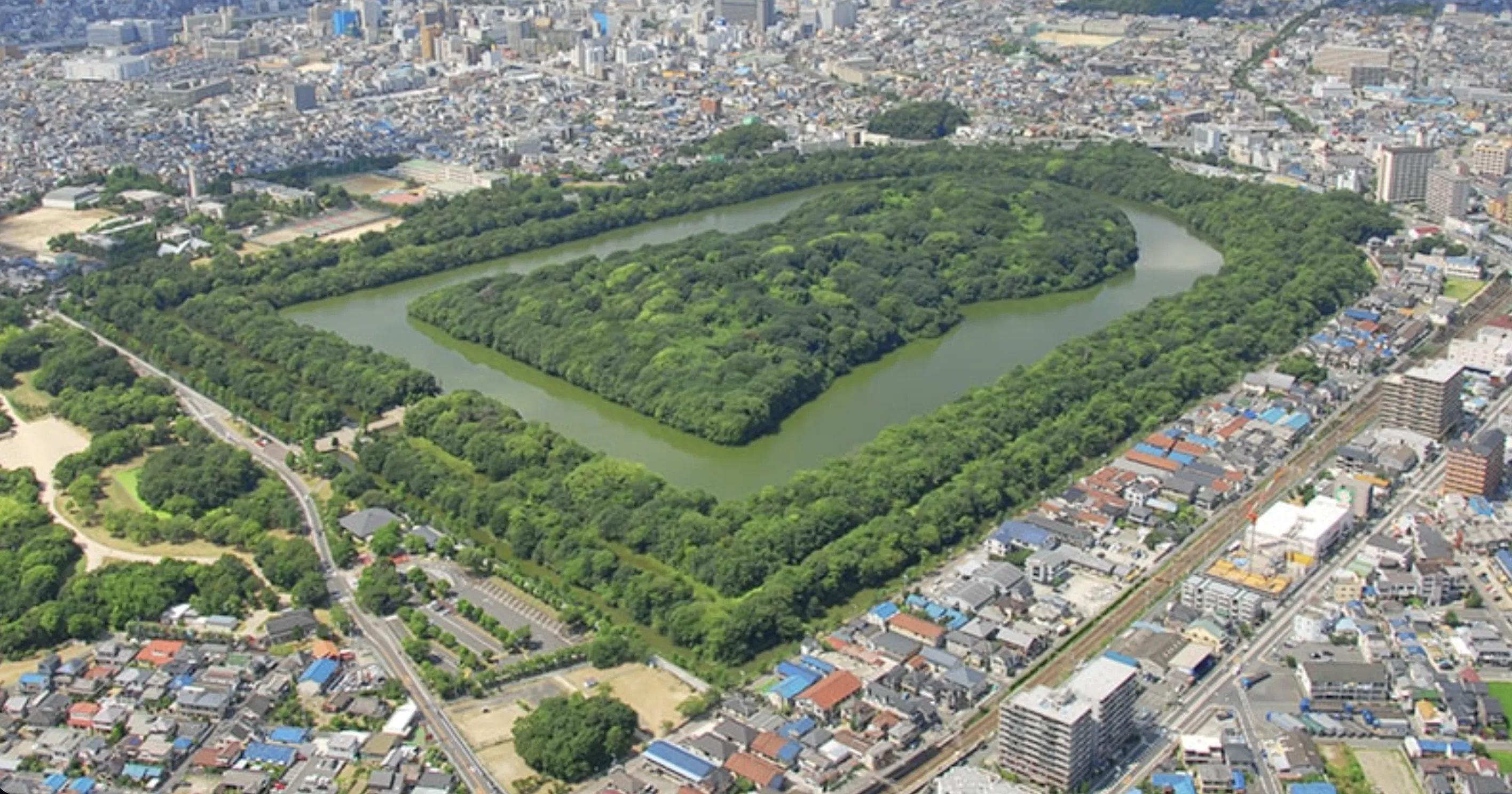
The Mozu Kofun Group in Sakai, including Emperor Nintoku's tomb
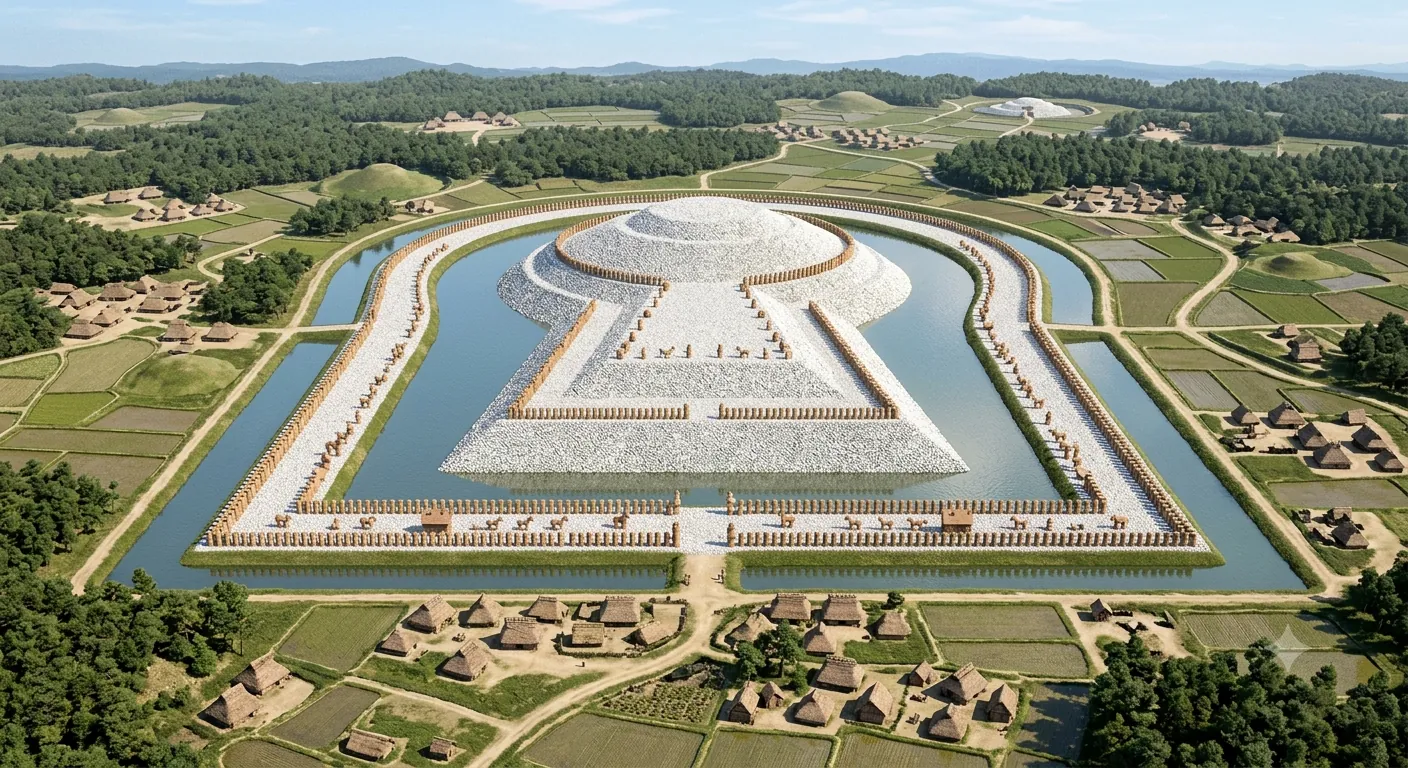
Artistic reconstruction of Emperor Nintoku's tomb as it may have looked around 450 CE.

The Mozu Kofun Group

Rising above the suburbs of southern Osaka are some of the largest burial monuments ever constructed anywhere on Earth. Built during the fourth and fifth centuries, the Mozu Kofun demonstrate the immense wealth, engineering ability and political authority of Japan's earliest rulers.

Why It Matters

The Daisen Kofun, traditionally attributed to Emperor Nintoku, rivals the Great Pyramid of Giza in scale and is one of the largest tombs ever built. It reminds us that powerful kingdoms flourished in the Osaka region centuries before Japan's first historical records were written.

Visitor Information

Recommended Time
2–3 hours
Nearest Station
Mozu Station or Mikunigaoka Station
Admission
Exterior only (free)
Best Combined With
Sakai City Hall Observation Deck and the Mozu Kofun Visitor Centre

Local Historian's Insight

Visitors are often shocked by the sheer scale of the 5th-century Uemachi Plateau’s economy—enough to sustain a tomb that rivals the Great Pyramid of Giza. I first experienced this gravity during a 2002 trip to Sakai; seeing such a monumental, ancient landscape completely swallowed by the modern city completely changed how I view Osaka’s timeline. It remains, for me, the most stark reminder of how deep these layers go.

View of the Daisen Kofun from Sakai City Hall Observation Deck
Best Viewpoint

Sakai City Hall Observation Deck

The enormous size of the Daisen Kofun is almost impossible to appreciate from ground level. The free observation deck at Sakai City Hall offers one of the best panoramic views of the tomb and is the ideal place to understand its remarkable scale.

Why Visit

If you only visit one viewpoint in Sakai, make it this one. It transforms the kofun from an abstract shape on a map into one of the world's great archaeological monuments.

Visitor Information

Recommended Time
30–45 minutes
Admission
Free
Nearest Station
Sakai Higashi Station
Combine With
Mozu Kofun Visitor Centre and Daisen Park

Local Historian's Insight

The Mozu Kofun Group is deceptive; from the street, it just looks like a densely wooded hill. This observation deck is the only place where the reality hits: this is a landscape-scale monument engineered in the 5th century. I’ve watched countless visitors arrive here and struggle to grasp the scale, only to have a 'lightbulb moment' once they view the layout from above. The volunteer guides here are excellent—the last time I visited, I was genuinely impressed by their depth of knowledge. It’s one of those rare spots where the modern view finally makes the ancient history feel real.

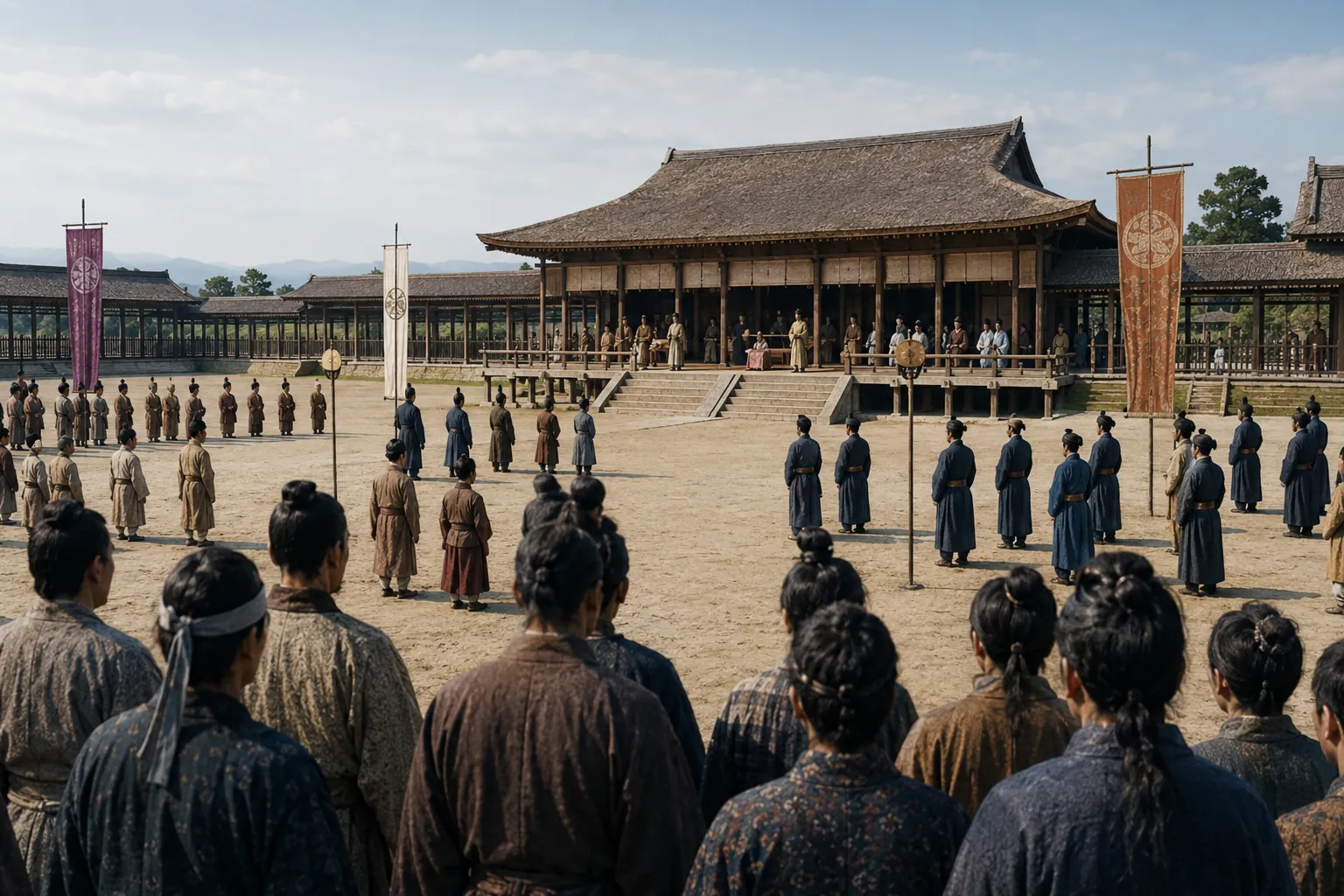
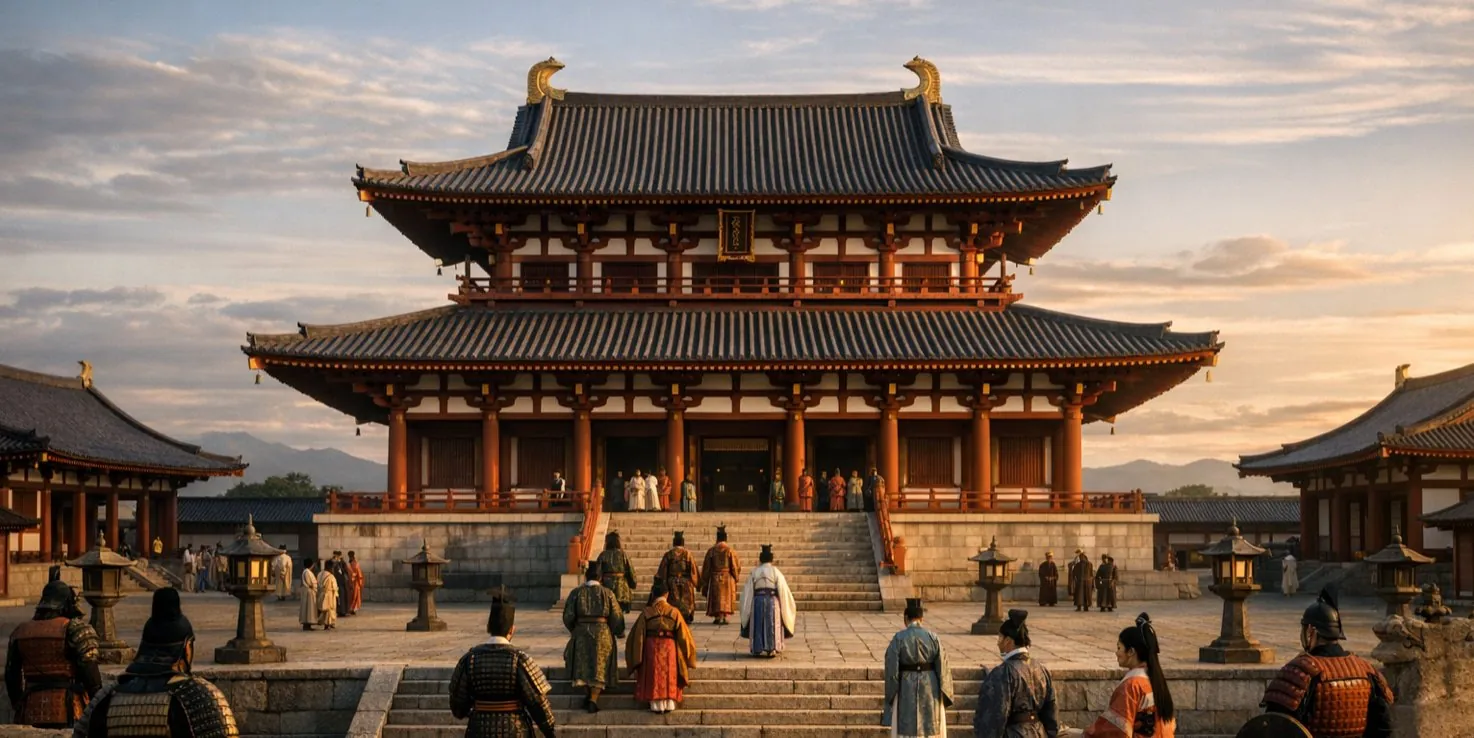
Reconstructed audience hall at the Former Naniwa Palace archaeological site
Artistic reconstruction of the Former Naniwa Palace - 652 CE.

Naniwa Palace

Former Imperial Palace • Birthplace of Japanese Empire

Long before Kyoto became Japan's imperial capital, emperors ruled from Naniwa. Constructed in the seventh century and later rebuilt in the eighth, the palace served as the political heart of the nation during some of its most transformative years, when Japan was adopting ideas, technologies and systems of government from China and the Korean Peninsula.

Why It Matters

Many visitors walk through Naniwa-no-Miya Park without realising they are standing in the centre of one of Japan's earliest capitals. Decisions made here helped shape the country's government, diplomacy and identity for centuries to come.

Visitor Information

Recommended Time
60–90 minutes
Admission
Park: Free
Museum: Small admission fee
Nearest Station
Tanimachi 4-chome
Combine With
Osaka Castle, NHK Osaka, Museum of History

Local Historian's Insight

At first glance, Naniwa Palace looks like just another peaceful urban park, and to be honest, I walked past it for years before fully grasping its weight. It is easy to see the modern park, but it takes a different eye to see the ancient capital beneath it. Beneath these lawns lie the stone foundations of the Naniwa Palace, the political heart of 7th-century Japan. If you visit here before going to Osaka Castle, the city’s narrative flips: you realize that Osaka’s importance didn't begin with the samurai era—it was already a thriving imperial center a thousand years before Hideyoshi even broke ground. It completely changes how you experience the rest of the city.

Classical Osaka during the Asuka and Nara periods

Classical Osaka

During the sixth and seventh centuries Osaka became one of Japan's most important political and religious centres. Imperial palaces, great Buddhist temples and international diplomacy transformed the city into a gateway through which new ideas entered Japan.

Ships arriving from the Korean Peninsula and China brought more than goods. They carried writing, architecture, philosophy, Buddhism and new systems of government. Many of the decisions that shaped early Japan were made here in Osaka long before Kyoto rose to prominence.

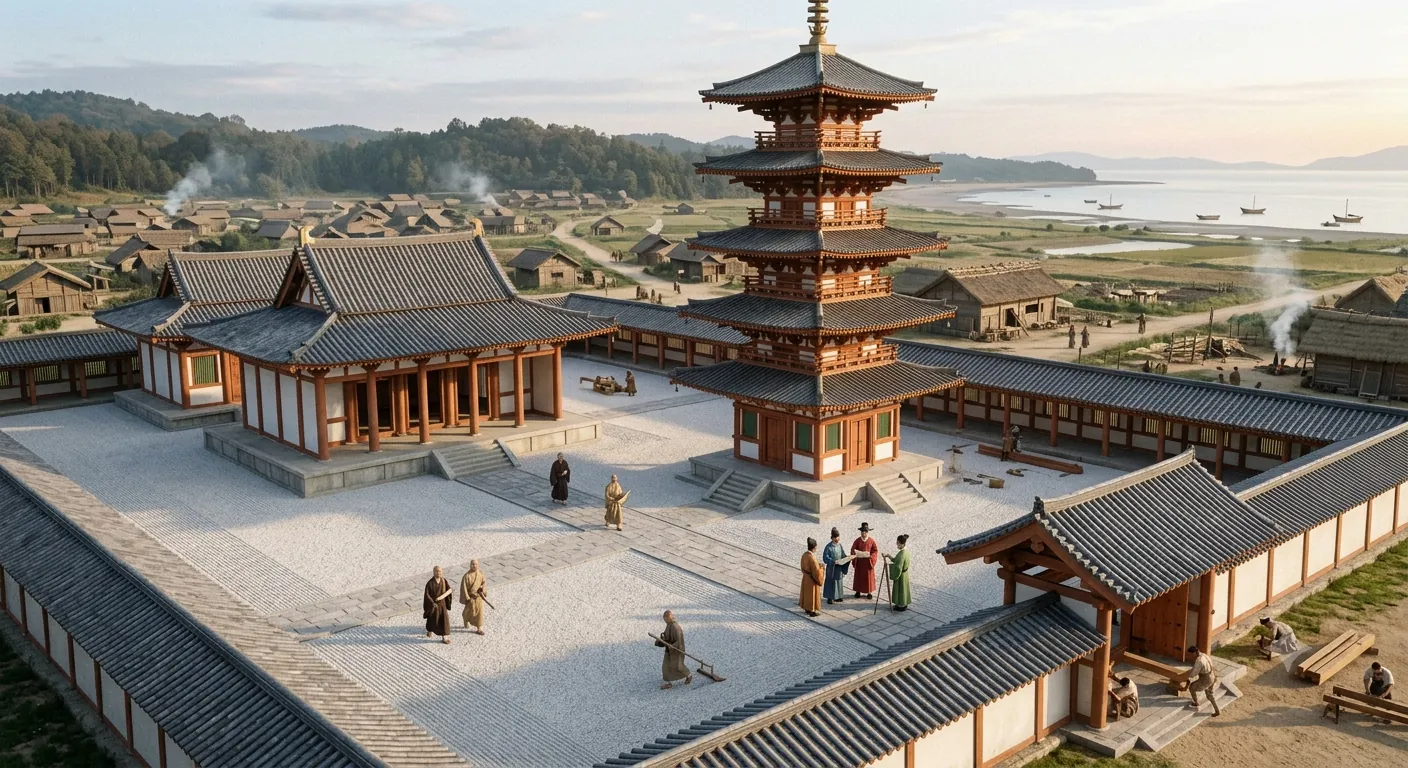
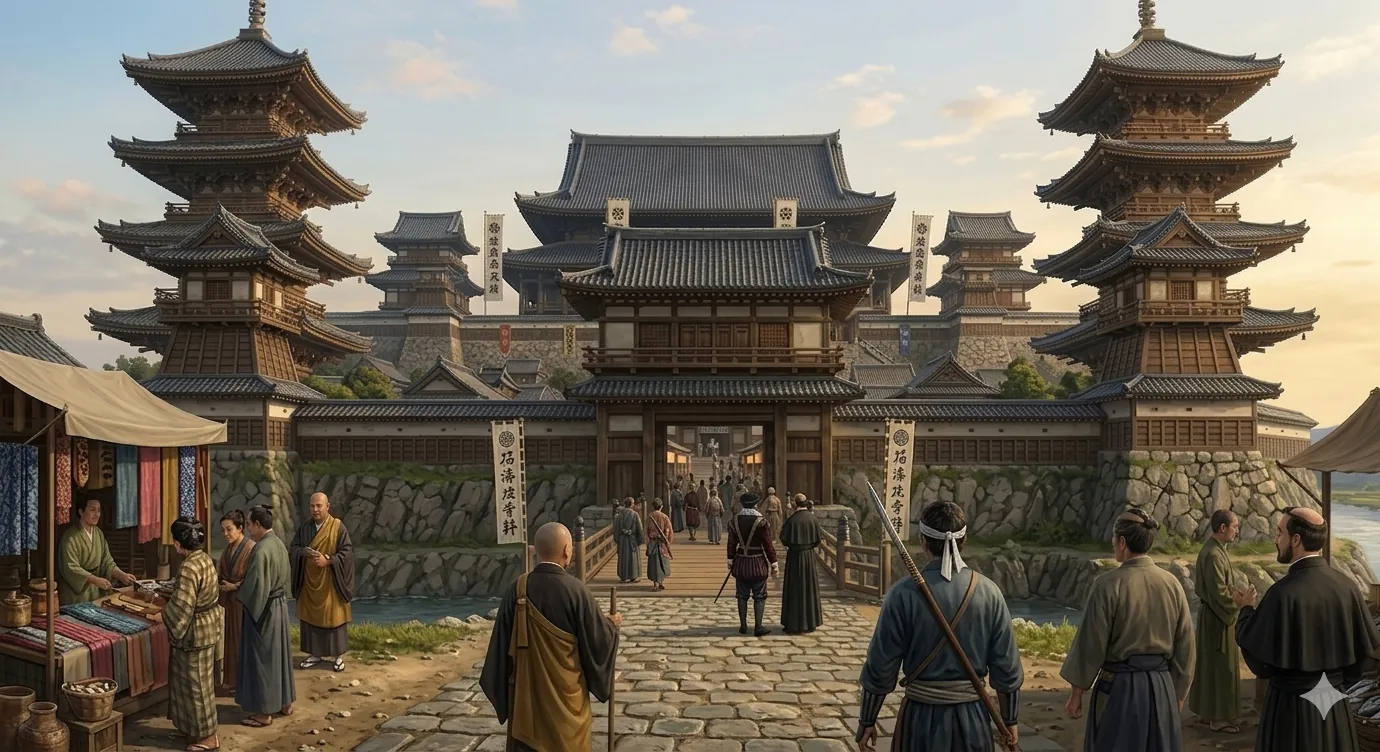
Shitenno-ji Temple in Osaka
Artistic Reconstruction of Shitenno-ji as it may have looked 590 CE

Shitennō-ji Temple

Japan's First State-Sponsored Buddhist Temple

Founded in 593 by Prince Shōtoku, Shitennō-ji represents one of the most significant turning points in Japanese history. More than simply a temple, it symbolised the state's official support for Buddhism and helped introduce new religious, artistic and architectural traditions that would shape Japan for centuries.

Why It Matters

Few places illustrate Japan's transformation from a loose federation of clans into an organised state as clearly as Shitennō-ji. It marks the moment when Buddhism became a defining influence on Japanese civilisation.

Visitor Information

Recommended Time
90–120 minutes
Admission
Temple grounds free
Inner precinct paid
Nearest Station
Shitennōji-mae Yūhigaoka
Combine With
Isshin-ji, Ikukunitama Shrine and Tennōji Park

Local Historian's Insight

Most visitors see today's buildings and assume they are modern reconstructions. In many ways they are—but they also preserve the original sixth-century layout almost exactly. Standing in the central courtyard today, you're experiencing one of the oldest surviving temple designs anywhere in Japan.

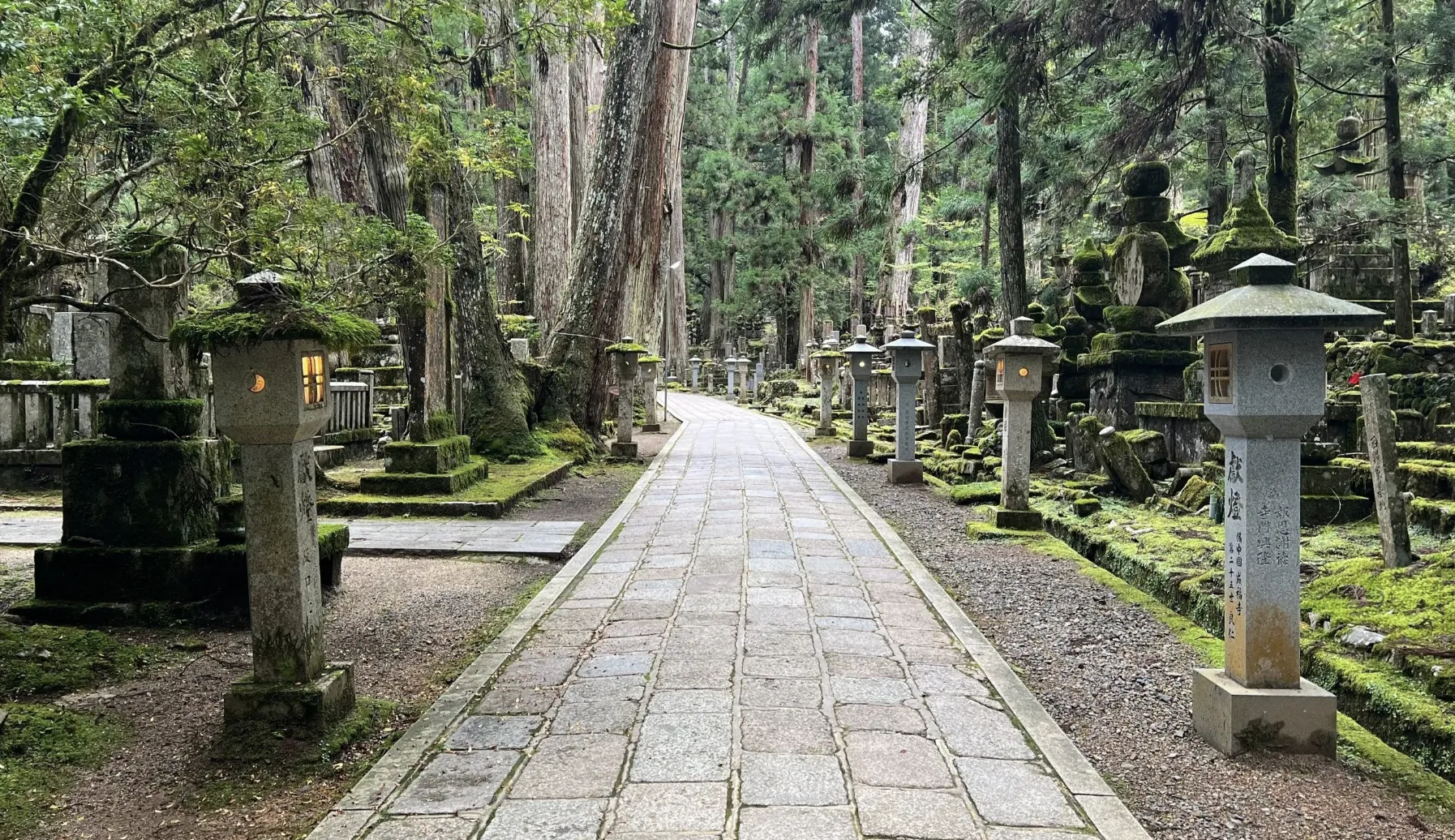
The forested path of Okunoin in Koyasan
Heian Period (Origins) / Edo Period (Sanada Exile)

Koyasan & Kudoyama

The Spiritual Retreat & Warlord's Exile

Founded by Kūkai in 816 AD, Koyasan is the heart of Shingon Buddhism. For your tour, this site serves as the ultimate "hidden" chapter: it was here, and in the nearby village of Kudoyama, that the Sanada clan lived in exile, plotting their return to the battlefield of Osaka.

Connecting the Eras

Koyasan bridges your "Classical" and "Medieval" narratives. It represents the enduring spiritual power of the Heian period, while the nearby Kudoyama serves as the physical setting for the final "struggle" of the Sanada warlords against the Tokugawa shogunate.

Visitor Information

Recommended Time
Full Day Trip
Key Feature
Okunoin Cemetery and Sanada Museum (Kudoyama)
Nearest Station
Gokurakubashi (Nankai Koya Line)
Combine With
Sanko Shrine, Yasui Jinja (The end of the Sanada story)

Local Historian's Insight

The fourteen years Sanada Nobushige spent in exile at Kudoyama weren’t just a punishment — they were the quiet incubation period for the strategy and resolve that later erupted at Osaka Castle. It’s a long trip by train, but absolutely worth it. Nearby Kōyasan has been a major Buddhist center since the 9th century, a mountain town dense with temples, cedar forests, and a millennium of memorials. Walking through the ancient cemetery at Okunoin, I always feel a deep sense of awe — as if I’ve stepped out of the modern world entirely.

The Rise of the Samurai

As imperial authority gradually weakened, powerful warrior families began competing for control of Japan. Osaka's temples, ports and strategic geography ensured that the city remained at the centre of events. Over the next several centuries, monks, merchants, warlords and samurai would transform Naniwa into one of the most fiercely contested places in the country.

Continue to Medieval Osaka
Osaka during the age of the samurai

Medieval Osaka

The age of emperors gave way to the age of warriors. Religious institutions, merchant guilds and ambitious warlords fought to control Osaka, laying the foundations for one of the greatest castle cities in Japanese history.

During the Sengoku Period, Osaka became one of the most important prizes in Japan. Here, Oda Nobunaga fought the warrior monks of Ishiyama Hongan-ji, Toyotomi Hideyoshi built the greatest castle in the land, and the city emerged as the political and commercial heart of a newly unified nation.

The former site of Ishiyama Hongan-ji beneath modern Osaka Castle
Artistic Reconstruction of Ishiyama Hongan-ji - 1570 CE

Ishiyama Hongan-ji

The Fortress That Defied Oda Nobunaga for Ten Years

Before Osaka Castle dominated this hill, the site was occupied by one of Japan's most formidable fortress-temples. Protected by rivers, stone walls and thousands of armed followers, Ishiyama Hongan-ji became the headquarters of the Ikkō-ikki and resisted Oda Nobunaga through one of the longest sieges in Japanese history.

Why It Matters

Nobunaga understood that whoever controlled this hill controlled the approaches to western Japan. His decade-long struggle to destroy Ishiyama Hongan-ji marked one of the decisive turning points in the unification of Japan.

Visitor Information

Time Needed
20–30 minutes
Location
Osaka Castle Park
Admission
Free
Nearby
Osaka Castle, Hokoku Shrine and the Museum of History

Local Historian's Insight

Almost everyone visits Osaka Castle without realising they are standing on the remains of another fortress that once terrified the most powerful warlord in Japan. If Ishiyama Hongan-ji had never existed, Hideyoshi may never have chosen this hill for his own castle.

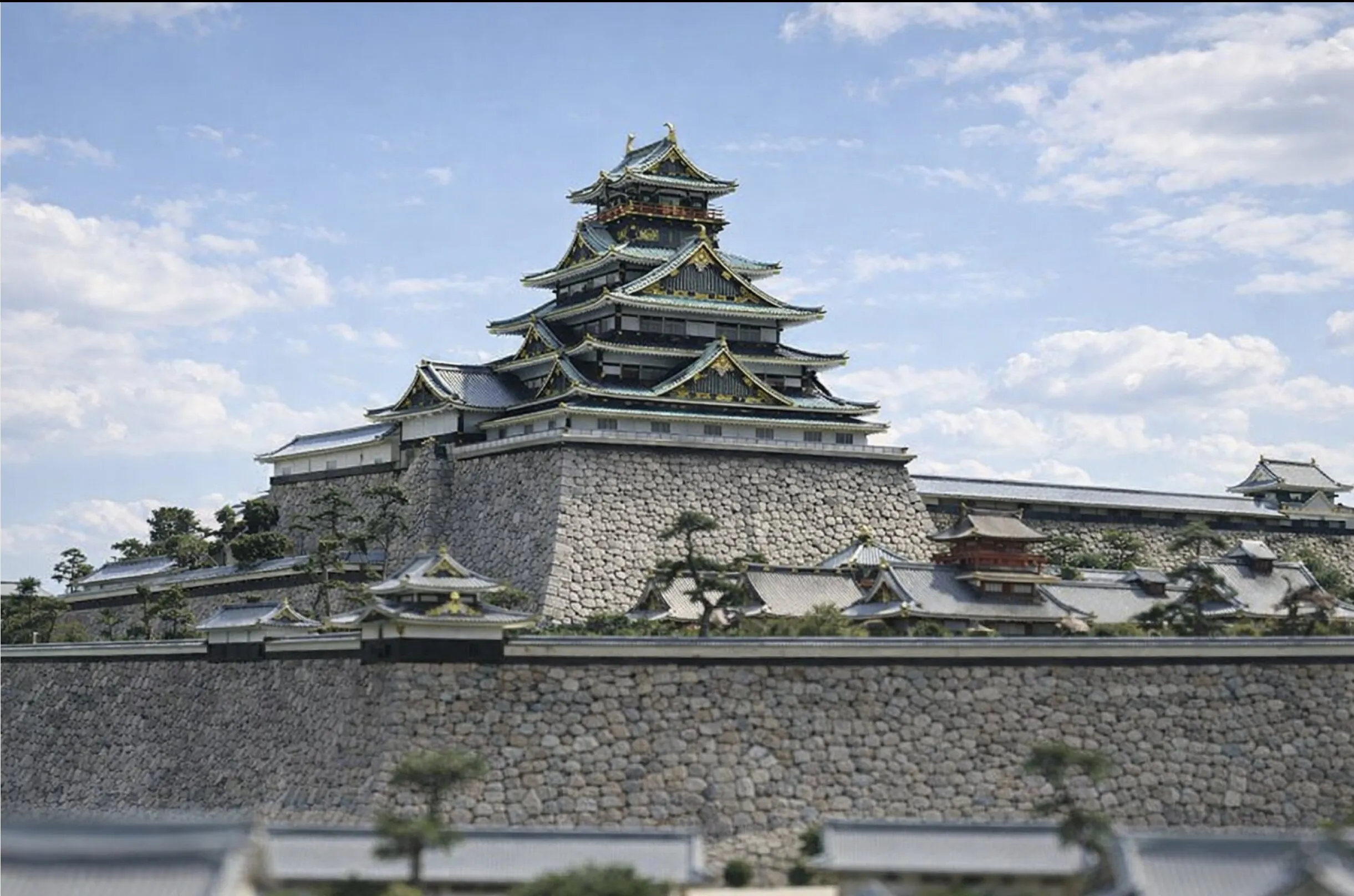
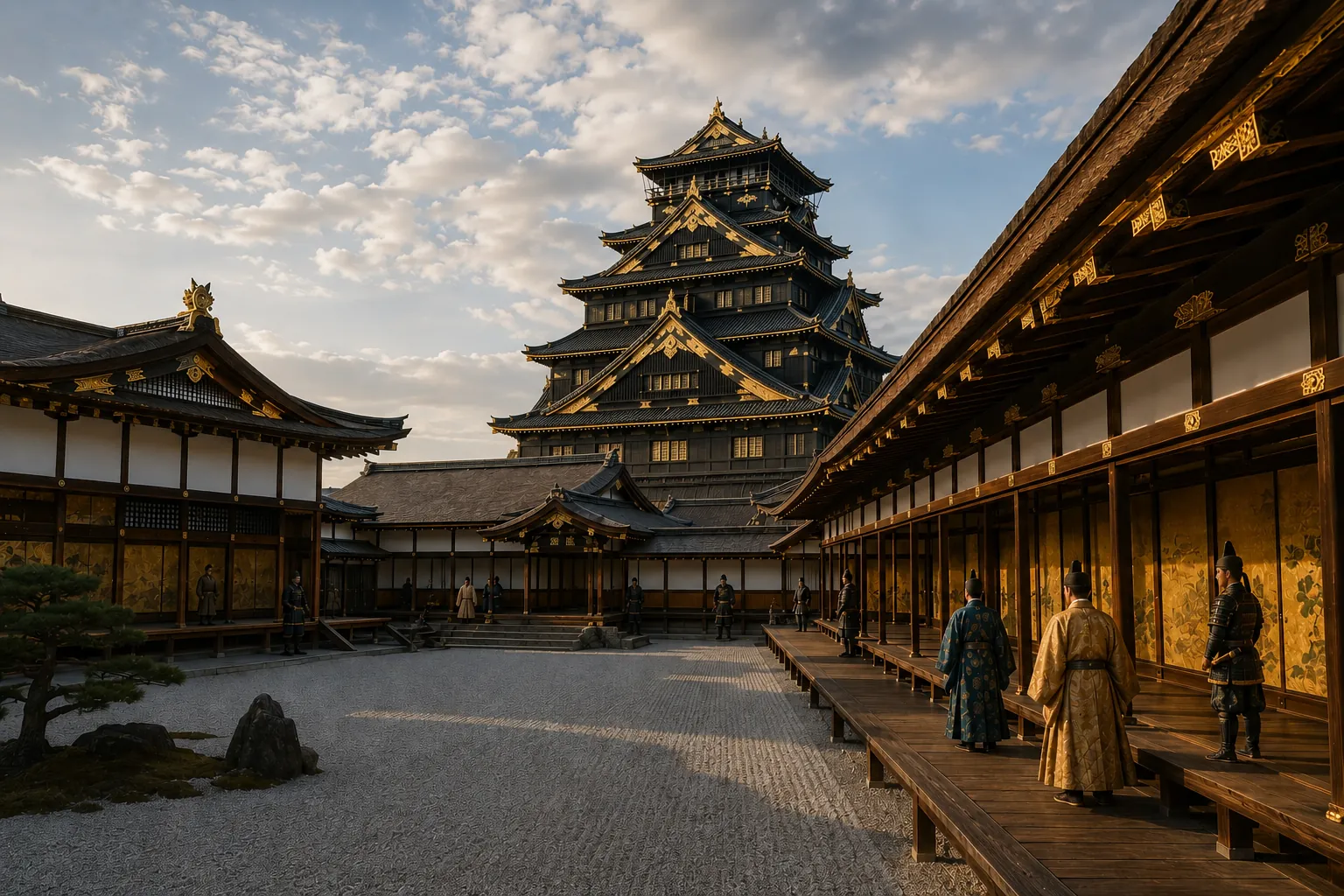
Osaka Castle rising above Nishinomaru Garden
Artistic Recreation of the Original toyotomi castle

Osaka Castle Park

Two Thousand Years of History in One Landscape

Although visitors come to admire Osaka Castle, the surrounding landscape tells a much longer story. From ancient shorelines and imperial palaces to Toyotomi Hideyoshi's fortress and the Tokugawa reconstruction, few places in Japan reveal so many layers of history within a single walk.

Why It Matters

Osaka Castle Park isn't simply home to a famous castle. It sits at the intersection of Japan's ancient capitals, medieval conflicts, political unification and modern urban renewal. Every era has left its mark here.

Visitor Information

Recommended Time
Half a day to a full day
Admission
Park: Free
Castle Museum: Paid
Nearest Stations
Osakajōkōen, Morinomiya or Tanimachi 4-chome
Best Combined With
Naniwa Palace, Osaka Museum of History and Miraiza Osaka Castle

Local Historian's Insight

I always encourage visitors to spend at least as much time exploring the park as they do inside the castle museum. The stone walls, moats, gates and surviving landscape reveal far more about Osaka's military and political history than the reconstructed castle tower alone.

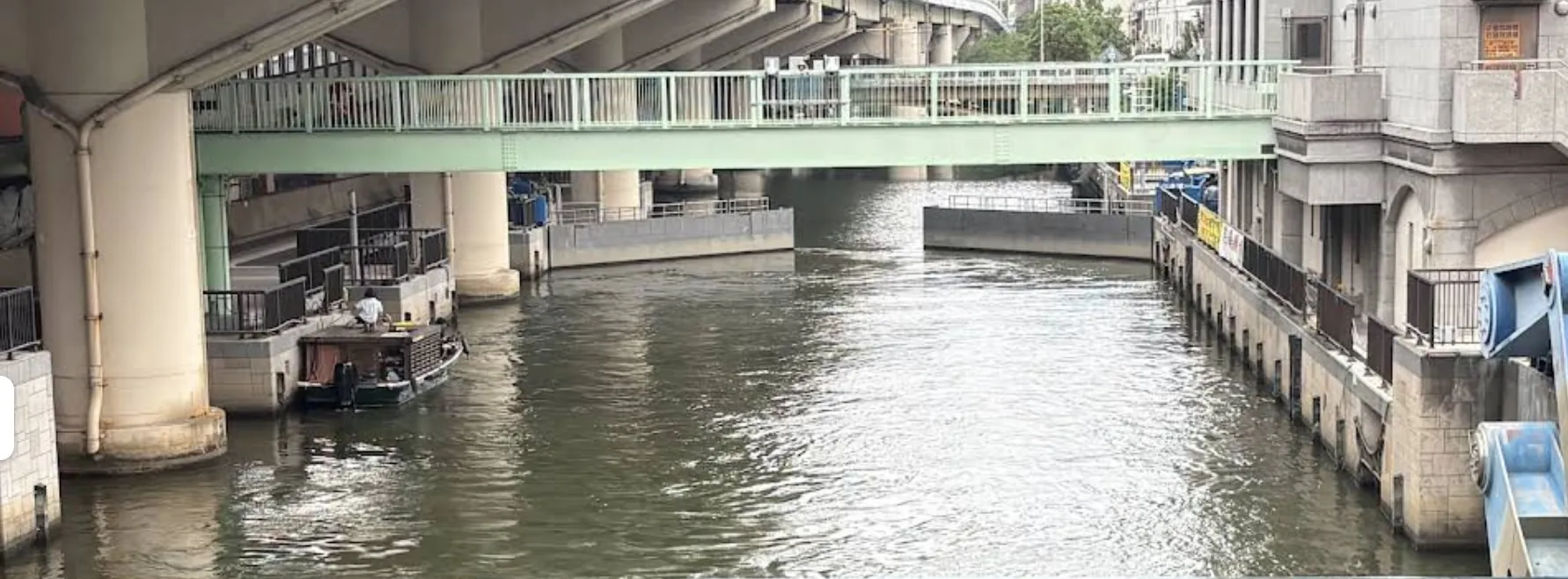
The Higashi-Yokobori River, part of the original Osaka Castle outer moat system
Edo Period / Civil Engineering - part of the Toyotomi Castle's third outer moat - 1585

Higashi-Yokobori River & Water Gates

The Surviving Western Outer Moat

While much of the Siege-era landscape has vanished, the Higashi-Yokobori River remains a powerful, living artifact of Osaka’s defensive engineering. Originally serving as the 3rd outer moat for Osaka Castle, this channel was part of the massive infrastructure projects that transformed the Uemachi Plateau into a fortress-city.

Why It Matters

This river perfectly illustrates the "struggle triangle" of the Tokugawa era. It functioned as a critical military barrier that defined the castle's reach, while simultaneously serving as the primary commercial artery for the merchant-city that developed in the castle's shadow.

Visitor Information

Recommended Time
30–60 minutes
Best Experience
Sightseeing boat tour (Tonbori/Osaka Water Bus routes)
Nearest Station
Hommachi or Sakaisuji-Hommachi
Combine With
Osaka Museum of History, Hachikenya Hama pier, Osaka Castle outer walls

Local Historian's Insight

For years I walked over this canal without realizing it was part of Toyotomi Hideyoshi’s original outer‑moat system. Once you know, the scale hits you immediately. If you cross it on your way to Osaka Castle, take a moment — you’re stepping over one of the massive defensive lines that once defended the medieval town.

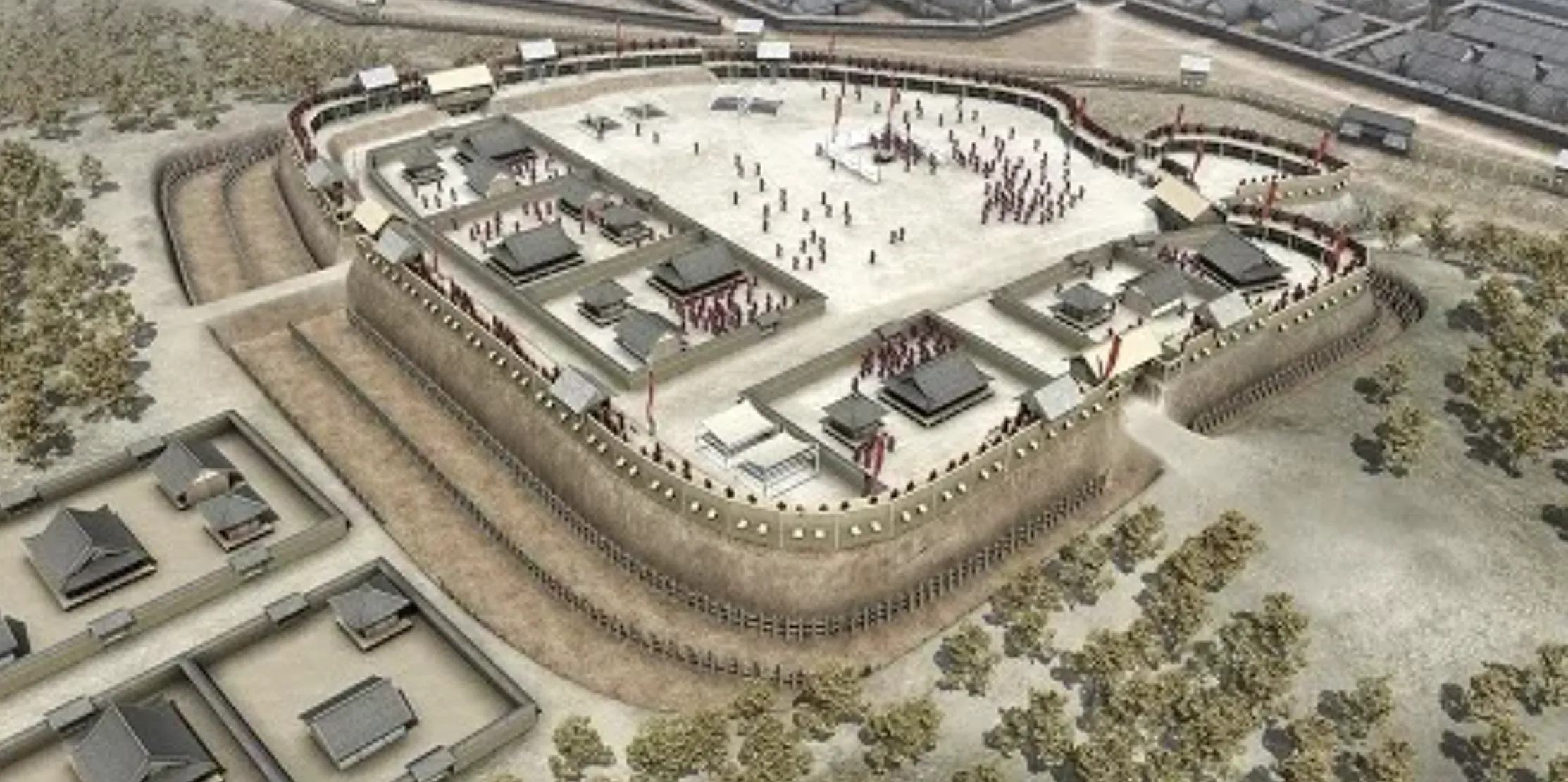
Site of the Sanada Maru fortification
Siege of Osaka - NHK recreation of the sanada maru - 1614

The Sanada Maru

The Fort That Nearly Changed Japanese History

Built under the direction of Sanada Nobushige prior to the Winter Siege of Osaka, the Sanada Maru became one of the most celebrated defensive works in samurai history. From here, a vastly outnumbered force repeatedly repelled Tokugawa attacks, earning Nobushige a reputation as one of Japan's greatest military commanders.

Why It Matters

The success of the Sanada Maru demonstrated that intelligent engineering, terrain and leadership could temporarily overcome overwhelming numerical superiority. Its defence became legendary, even among Tokugawa supporters.

Visitor Information

Recommended Time
30–45 minutes
Nearest Station
Tamatsukuri or Morinomiya
Admission
Free
Combine With
Osaka Castle, Sanko Shrine and the Siege of Osaka Trail

Local Historian's Insight

Almost nothing of the Sanada Maru survives above ground today, which makes it easy for the casual passerby to miss. But once you understand the surrounding topography, the brilliance of Nobushige’s choice becomes undeniable. This hilltop fort was a masterstroke—it completely deprived Tokugawa troops of their best approach to the castle during the Winter Siege of 1614 and turned the small valley just to the south of it into a kill zone. Walking through the neighborhood and park to day, it is sobering to think of the men who charged headlong into musket fire to try to take Sanada Maru.

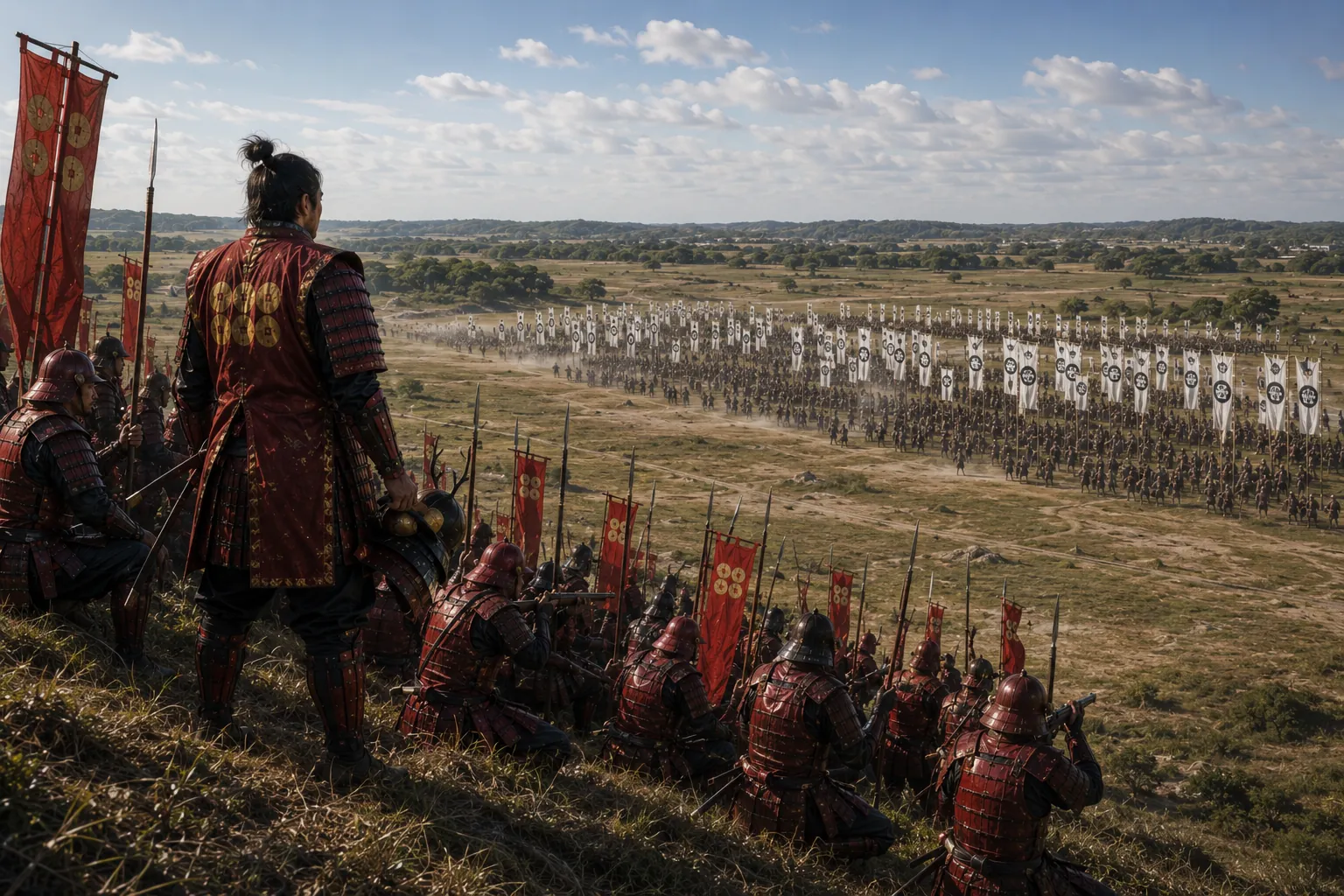
Chausu-yama mound in Tennoji Park
Sengoku Period - Sanada overlooking Tokugawa troops crossing tennoji valley - 1615

Chausu-yama

A Crucial Command Post for Both Sides of the Siege

Chausu‑yama is a quiet rise in Tennoji Park today, but in both phases of the Siege of Osaka it served as a command position for the two men who defined the war. In 1614, Tokugawa Ieyasu used this hill to direct the encirclement of Osaka Castle. In 1615, Sanada Nobushige seized the same ground, turning it into the forward base for the counterattack that nearly broke the Tokugawa line. Few places in the city preserve such a direct, physical link to both sides of the final battle.

Why Visit

Chausu‑yama is one of the rare locations where the strategies of Ieyasu and Sanada literally overlapped. The hill’s elevation made it the natural command post for whoever controlled the battlefield, and its use in both sieges shows how crucial this terrain was to the outcome. Standing here, you’re on the vantage point from which Ieyasu tightened the noose — and from which Sanada tried to cut it.

Visitor Information

Recommended Time
30–45 minutes
Admission
Free — public park
Nearest Station
Tennoji Station
Combine With
Tennoji Park, Shitennō‑ji, Osaka Municipal Museum of Art

Local Historian's Insight

I suggest guests go to Yasui Shrine after Chausuyama, not before. Standing where Sanada actually fell, just a few hundred metres from where he nearly ended the whole Edo period with his elite red-armored shock troops, changes how people see the rest of the Uemachi Plateau and the Tennoji valley. Suddenly it's not a park across the street from Japan's tallest office building — it's the last stretch of ground a desperate, outnumbered man crossed trying to defeat a Shogun.

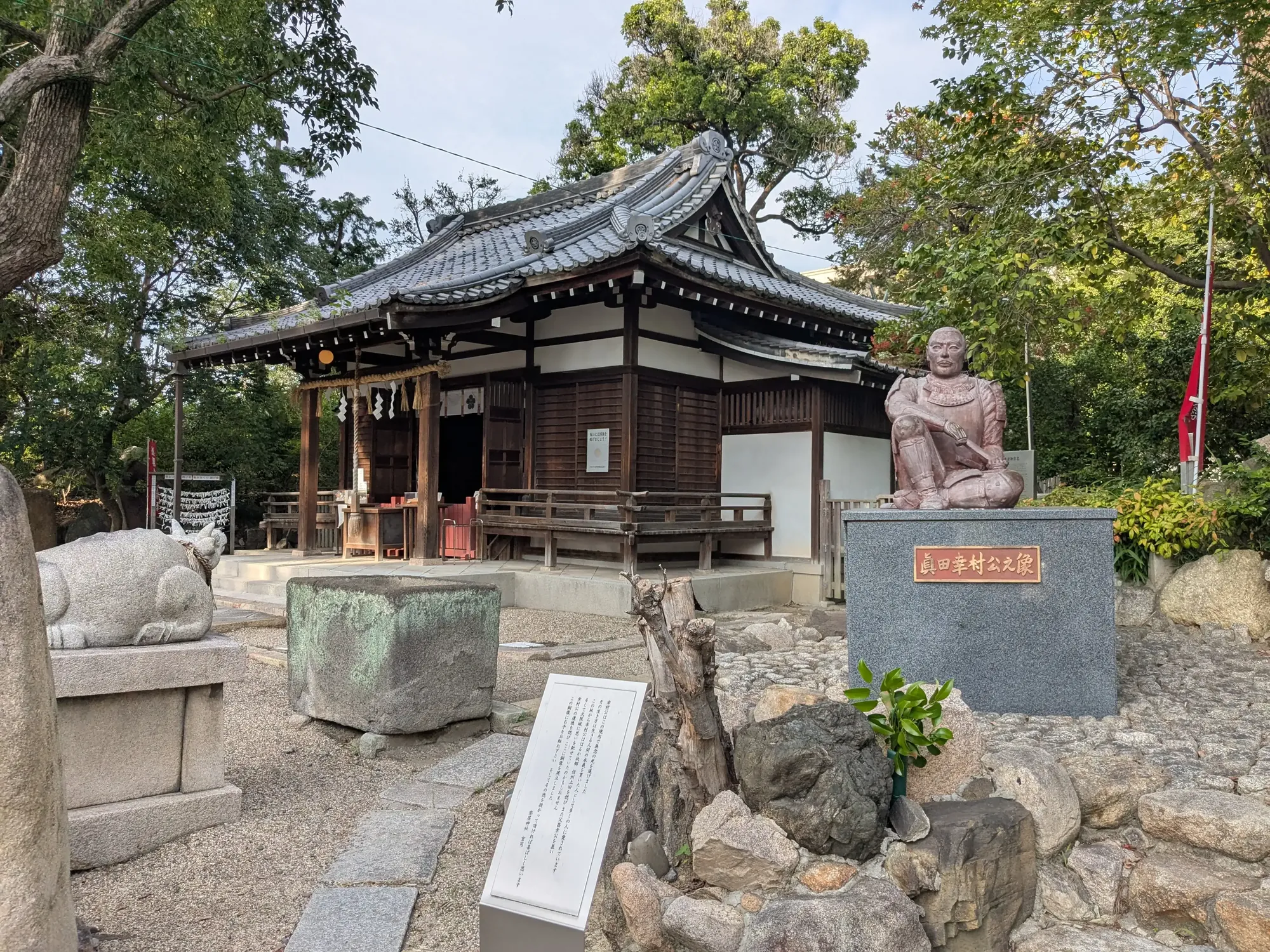
The last stand of Sanada Nobushige - The greatest general of his era - 1615
The last stand of Sanada Nobushige

Yasui Shrine

The greatest general of the Sengoku era

While Chausuyama represents the tactical struggle of the siege, Yasui Shrine marks its conclusion. This quiet, shaded corner of Tennoji holds the stone monument marking the site where Sanada Nobushige, the "Last Sengoku Hero," was killed in the final moments of the 1615 Battle of Osaka. It is a place of stillness that offers a necessary counterpoint to the massive, open-field conflict that defines the surrounding area.

Why It Matters

Yasui Shrine is where the myth meets the ground. While the city around it has modernized, the shrine retains a somber, intimate atmosphere that allows visitors to process the human scale of the samurai era. It is the destination that completes the narrative arc of the Summer Siege.

Visitor Information

Nearest Station
Tennoji Station or Shitennoji-mae Yuhigaoka Station
Time Needed
15-20 minutes
Combine with
Chausuyama (The "Battlefield Path"), Isshin-ji Temple, Shitenno-ji Temple
Admission
Free

Local Historian's Insight

When you arrive here after walking the Tennoji valley, the atmosphere shifts. You aren't looking at a battlefield map anymore; you’re standing at the finish line of a desperate, outnumbered gamble. It is sobering to realize that only a few hundred meters from the modern skyscraper skyline, one of history’s greatest tactical minds breathed his last. This is the place to stop, breathe, and reflect on how a single afternoon in 1615 fundamentally altered the next 250 years of Japanese history.

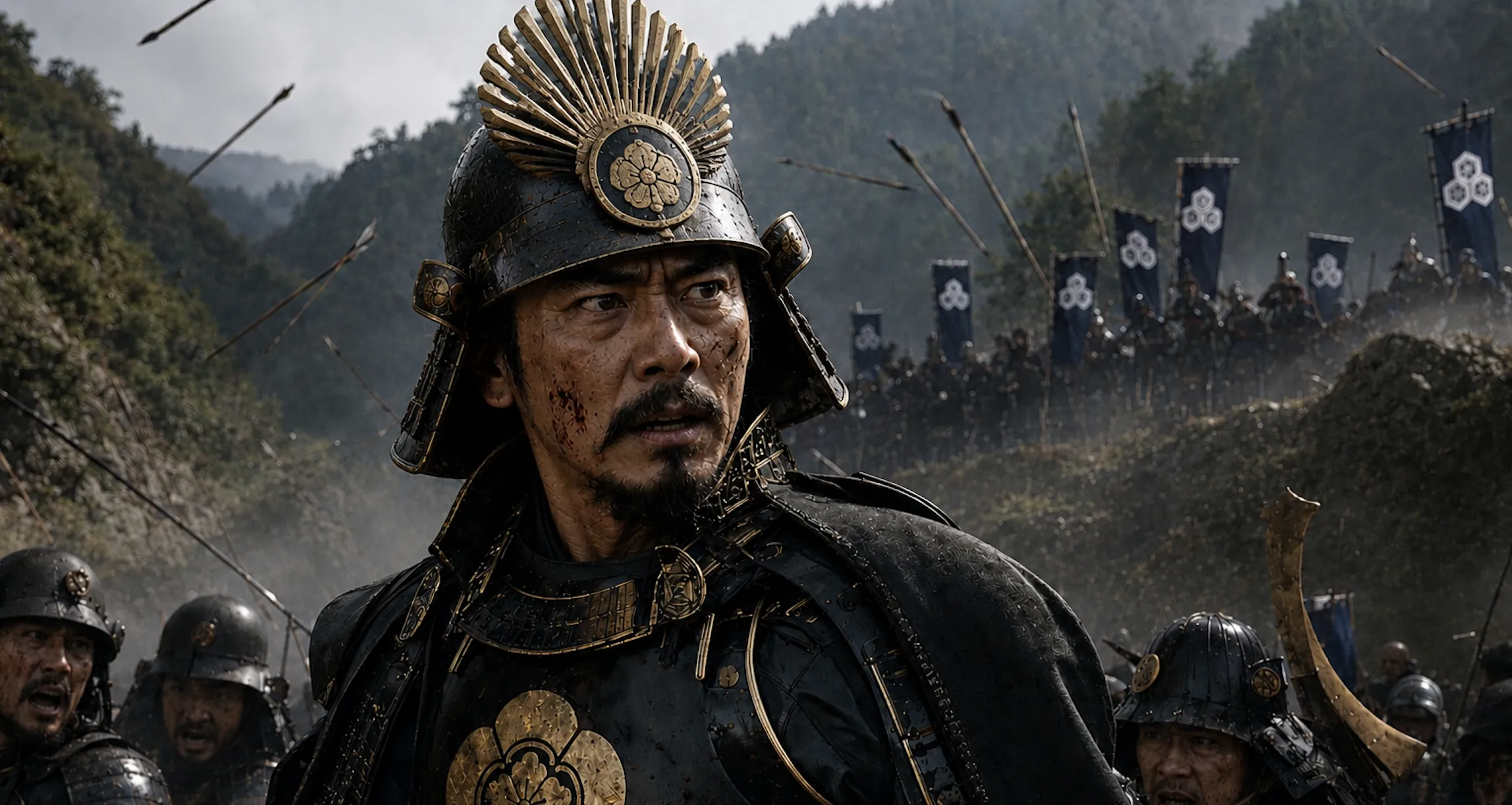
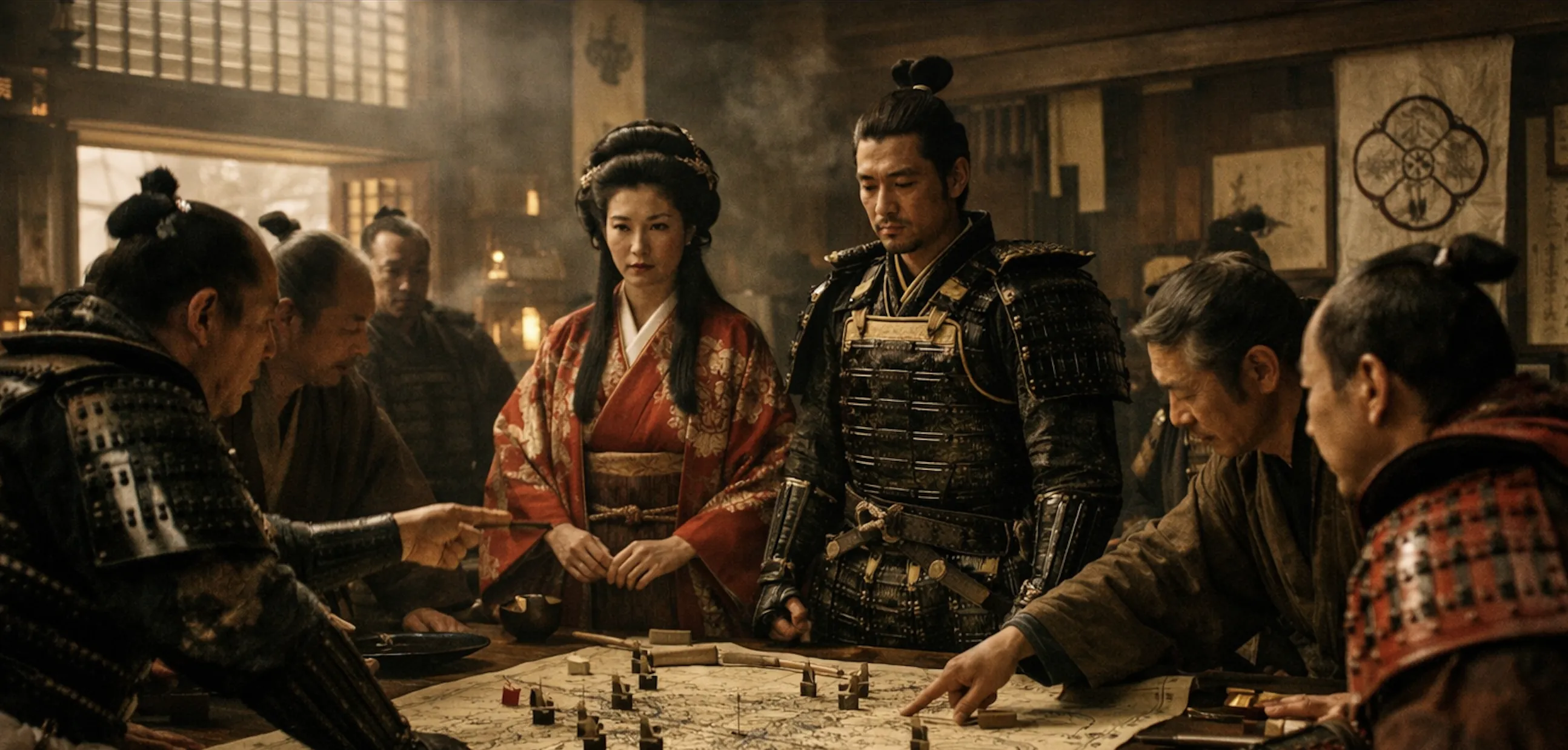
Artwork depicting the Siege of Osaka, 1615
1614–1615 - Artistic recreation - Toyotomi Hideyori and his mother considering battle strategy

The Siege of Osaka

The Battle That Ended the Age of the Samurai

Fought across two campaigns—the Winter Siege of 1614 and the Summer Siege of 1615—the Siege of Osaka brought an end to the Toyotomi clan and secured Tokugawa Ieyasu's control of Japan. It was the last great conflict of the Sengoku Period and shaped the political landscape for more than 260 years.

Why It Matters

The Siege of Osaka was far more than the fall of a castle. It marked the end of an era defined by constant warfare and the beginning of the peaceful Edo Period. Many of the streets, temples and shrines in modern Osaka still preserve traces of this remarkable campaign.

Visitor Information

Recommended Time
Half day to full day
Best Experience
Follow the Osaka Battlefield Trail
Highlights
Sanada Maru, Chausuyama, Yasui Shrine, Osaka Castle and surviving battlefield markers
Admission
Most sites are free to visit

Local Historian's Insight

One of the most remarkable things about the Siege of Osaka is how much of the battlefield still survives—just not in the way most people expect. Instead of ruined castles and abandoned fortifications, you'll find quiet parks, temple grounds, roadside monuments and subtle changes in the landscape. Once you know where to look, the battle begins to reveal itself.

The immense stone walls and moats of Osaka Castle
Early Edo Period - 1620

The Stone Walls & Defences of Osaka Castle

Japan's Greatest Surviving Fortress Engineering

While the castle tower attracts most of the attention, the true masterpiece of Osaka Castle is the fortress itself. Massive granite walls, deep moats, carefully planned gates and layered defensive positions combined to create one of the strongest castles ever constructed in Japan. Much of what visitors see today dates from the Tokugawa reconstruction following the Siege of Osaka.

Why It Matters

These defences were designed to protect the political heart of Japan. Every gate, moat and stone wall forced an attacking army to slow down, change direction and expose itself to defenders. The castle was as much a feat of engineering as it was a symbol of political authority.

Visitor Information

Recommended Time
2–3 hours
Best Starting Point
Otemon Gate
Don't Miss
Sakura Gate, Tako-ishi, Kyobashi Gate and the inner moats
Admission
Park free

Local Historian's Insight

If there's one mistake almost every visitor makes, it's walking straight to the castle tower. Instead, spend an hour exploring the perimeter first. Notice how the square box-gates (masugata) force you to turn, how the walls become progressively higher, and how the moats separate one defensive layer from the next. By the time you reach the keep, you'll understand why Osaka Castle was considered almost impregnable.

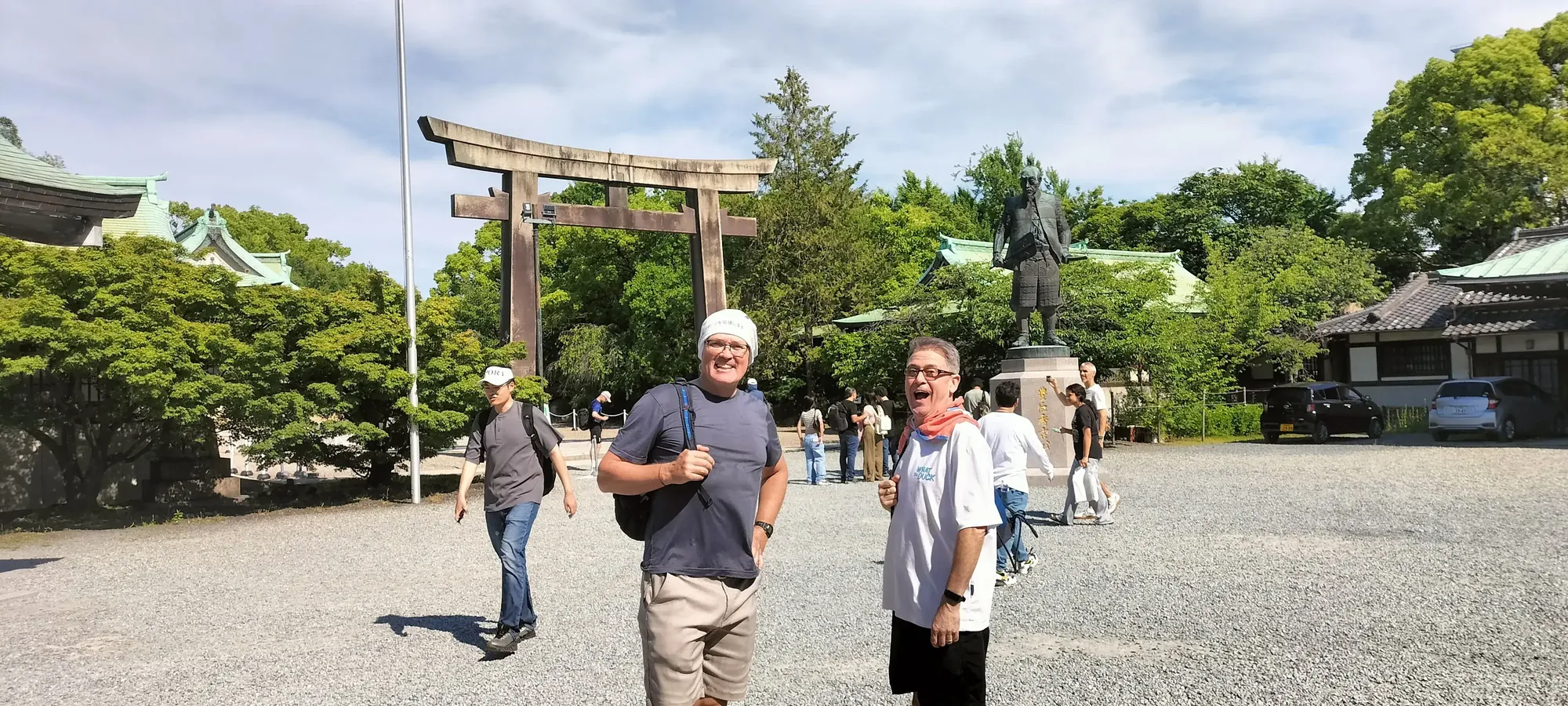
Hokoku Shrine dedicated to Toyotomi Hideyoshi
Meiji Period - Established at Nakanoshima (Yamazaki-no-hana) by imperial decree. 1961 - The shrine was relocated to its current site. 2007 - The bronze statue of Hideyoshi is errected.

Hokoku Shrine

Honouring Toyotomi Hideyoshi's Legacy

Nestled within Osaka Castle Park, Hokoku Shrine commemorates Toyotomi Hideyoshi, the man who transformed Osaka into Japan's greatest castle city. Although the original shrine has a complex history, today's peaceful setting provides an opportunity to reflect on one of Japan's most extraordinary historical figures.

Why Visit

Beyond its religious significance, Hokoku Shrine offers a quieter, more personal perspective on Hideyoshi than the imposing castle itself. It reminds visitors that behind every fortress stood a human story of ambition, triumph and tragedy.

Visitor Information

Recommended Time
20–30 minutes
Admission
Free
Nearest Landmark
Osaka Castle Main Keep
Combine With
Osaka Castle Museum and Nishinomaru Garden

Local Historian's Insight

Many people pass through Hokoku Shrine in just a few minutes before heading to the castle. I recommend slowing down. This is one of the few places where you can quietly consider the legacy of Hideyoshi—not simply as a conqueror, but as the man whose vision reshaped Osaka forever.

Continue Exploring Historic Osaka

Historic Osaka doesn't end here. Whether you'd like to deepen your understanding through museums, explore individual stories in greater detail, or experience these places in person, here are the best next steps.

Discover

Complete Your Historic Osaka Experience

Exploring Osaka's historical sites is only part of the story. The city's museums preserve the archaeological discoveries, historical artefacts and cultural treasures that bring those places to life.

"Very thorough and well thought out—which made a lot of connections when we went inside Osaka Castle; we already had the back story!" — Jason, Hawaii, USA

Many guests choose to visit a museum after one of my walking tours. Once you've stood where history happened and understood the wider story, the exhibitions often become far more meaningful.

  • Osaka Museum of History – Ancient Naniwa through to the modern city.
  • Museum of Oriental Ceramics – Chinese, Korean and Japanese masterpieces that reveal East Asia's cultural connections.
  • Osaka Museum of Housing and Living – Experience everyday life in Edo-period Osaka.
  • Osaka Castle Museum & Stone Wall Museum – Discover the rise, destruction and reconstruction of Osaka Castle.
  • Plus: Sakai City Museum, the Fujita Museum, Ōsaka Prefectural Museum of Yayoi Culture and many other specialist collections.
Experience

Explore Osaka with a Resident Historian

Reading about history is one thing.

Standing where it happened is another.

My small-group walking tours connect archaeology, historical sources and the surviving landscape to reveal the stories hidden beneath modern Osaka.

Whether you're fascinated by ancient Naniwa, Prince Shōtoku, Toyotomi Hideyoshi or the Siege of Osaka, every tour is designed to help you understand not only what happened—but why it happened here.

Frequently Asked Questions About Historic Osaka

Planning a visit? These are some of the questions visitors most often ask before exploring Osaka's historical sites.

What is the oldest historical site in Osaka?

Some of Osaka's oldest archaeological sites date back more than 7,000 years to the Jōmon Period. Visitors interested in Osaka's earliest history should explore the Morinomiya Shell Midden, while Shitennō-ji remains Japan's oldest state-sponsored Buddhist temple.

Is Osaka Castle the original castle?

No. The castle you see today is a modern reconstruction completed in 1931. It stands on the site of Toyotomi Hideyoshi's original castle, which was destroyed during the Siege of Osaka before being rebuilt by the Tokugawa shogunate.

What happened during the Siege of Osaka?

Fought during the winters of 1614 and summers of 1615, the Siege of Osaka was the final major conflict of the Sengoku Period. Tokugawa Ieyasu defeated the Toyotomi clan, ending decades of civil war and establishing more than 260 years of Tokugawa rule.

Can you still visit the Siege of Osaka battlefield?

Yes. Although modern Osaka has grown over the battlefield, many important locations survive, including Osaka Castle, Sanada Maru, Chausuyama, Yasui Shrine and numerous battlefield monuments scattered throughout the city.

What are the best museums for learning about Osaka's history?

The Osaka Museum of History provides the best overall introduction. Other excellent choices include the Museum of Oriental Ceramics, Osaka Castle Museum, Osaka Museum of Housing and Living, Sakai City Museum and the Fujita Museum.

How many days do I need to explore Historic Osaka?

You can visit Osaka Castle in a few hours, but visitors interested in Osaka's history should ideally allow at least two or three days to explore ancient sites, museums, temples, shrines and the locations connected with the Siege of Osaka.

Why is Osaka important in Japanese history?

Osaka has served as an ancient port, an imperial capital, a gateway for ideas and technology from mainland Asia, the birthplace of Japanese Buddhism, the headquarters of Ishiyama Hongan-ji, the city of Toyotomi Hideyoshi and the battlefield that brought the Sengoku Period to an end. Kyoto is where Emperors lived for 1000 years. The Uemachi Plateau is where the empire was born.

What's the difference between Naniwa and Osaka?

Naniwa was the ancient name for the area now known as Osaka. Throughout Japanese history the city has been known by both names, depending on the historical period being discussed.

Discover the Osaka Most Visitors Never See

Osaka is famous for its food, nightlife and modern energy—but beneath today's city lies one of Japan's richest historical landscapes. From prehistoric settlements and imperial palaces to Buddhist temples, merchant districts and the final battles of the samurai age, the story of Japan can still be explored here.

My goal is simple: to help visitors experience these places with historical context, archaeological evidence and the latest research, revealing the stories hidden beneath the streets of modern Osaka.