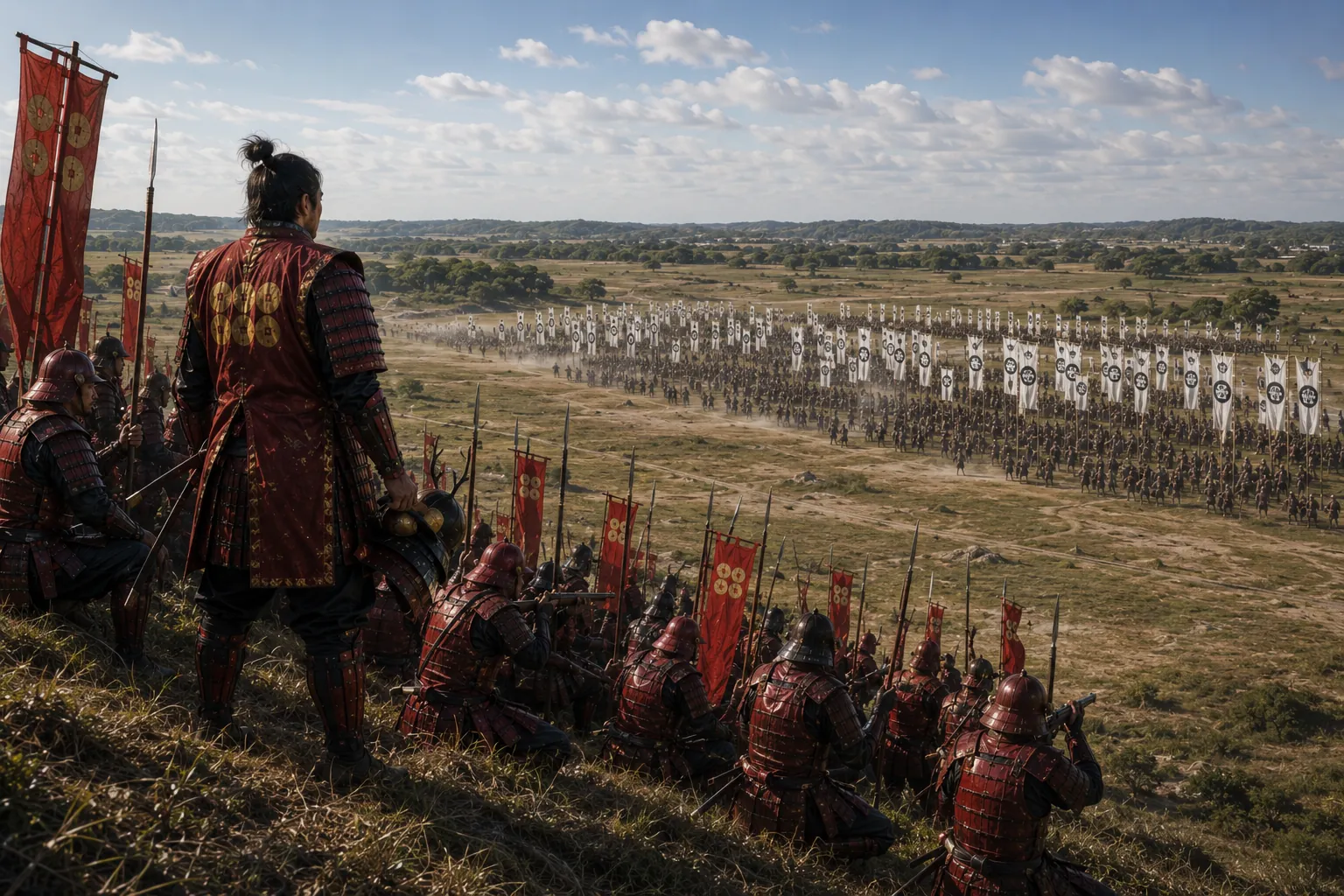
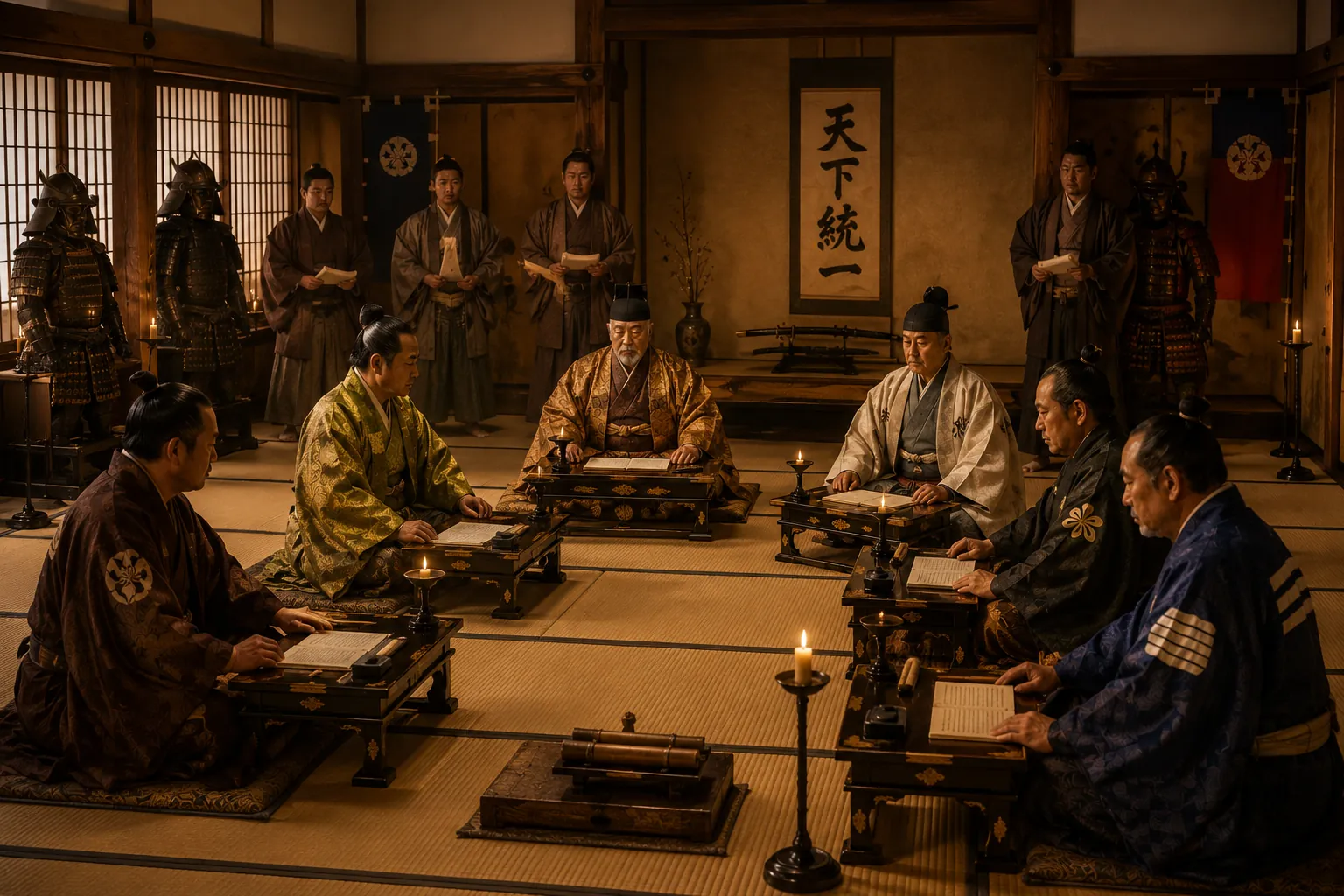
A mobile university seminar

A field-based historical seminar led by a resident historian.

Three workshops · 10–45 students · English-medium (Japanese support available) · From ¥50,000 per class

Seminar Structure

A structured historical investigation, not a guided tour.

1

Context

Edward establishes the problem

At four archaeological sites, Edward introduces the historical problem, the physical evidence, and the documentary record.

2

Investigation

Students examine the evidence

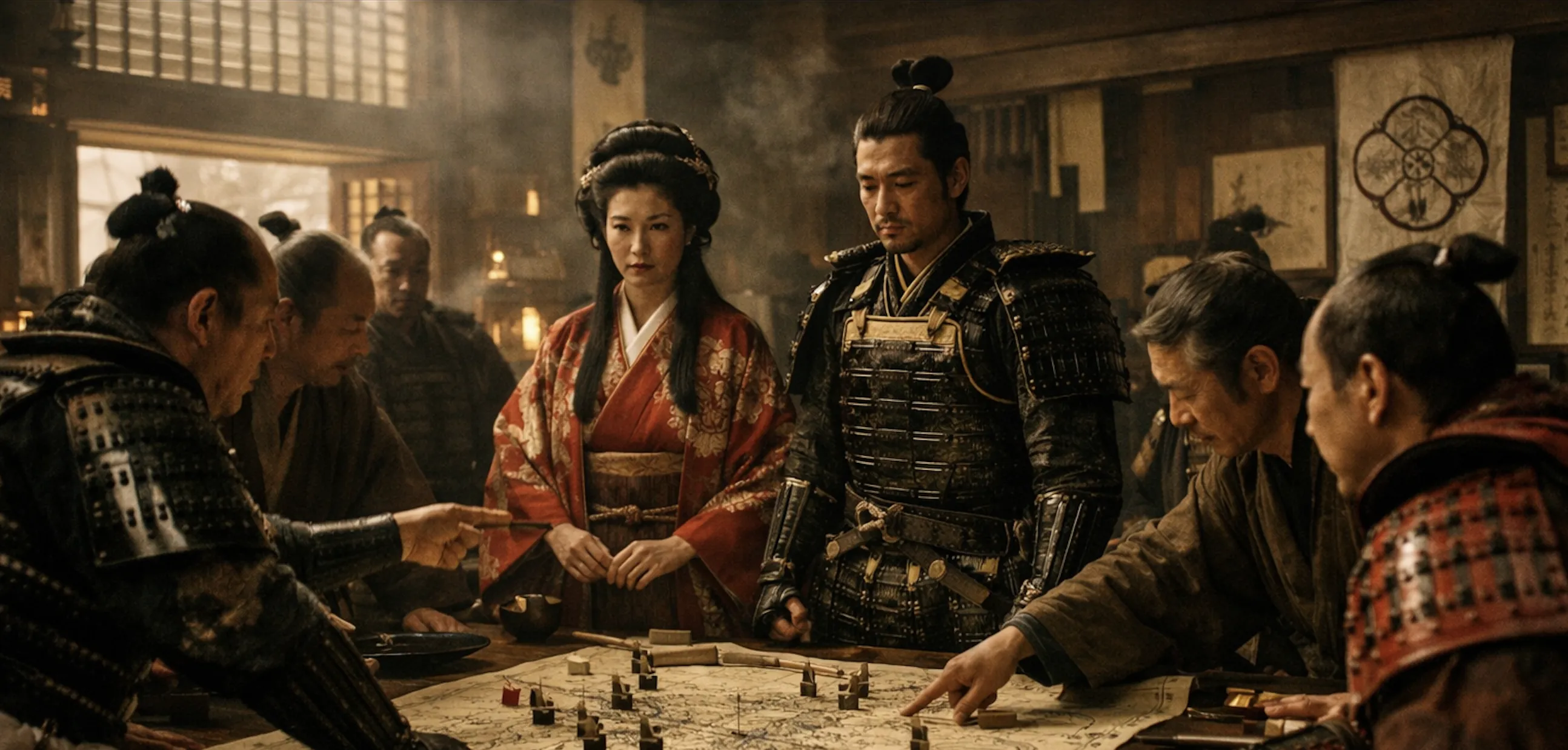
Students examine sites, sources, maps, and competing interpretations. They identify contradictions and gaps in the evidence.

3

Interpretation

Students develop an argument

Students develop and defend an interpretation based on the evidence. Competing arguments are tested against the sources.

4

Historiography

Edward introduces the scholarly debate

What have historians argued? Where do interpretations conflict? What remains uncertain or contested?

What the Seminar Provides

  • ✓ Historian-led field seminar
  • ✓ Primary and secondary source analysis
  • ✓ Site-based historical investigation
  • ✓ Multiple historical interpretations
  • ✓ Customized to course objectives
  • ✓ English-language instruction
  • ✓ Pre/post seminar materials available

Example Seminar Topics

Architecture, Propaganda & Legitimacy — How does political architecture manufacture legitimacy?

Osaka and the Geography of State Power — Why have successive regimes competed for control of the same landscape?

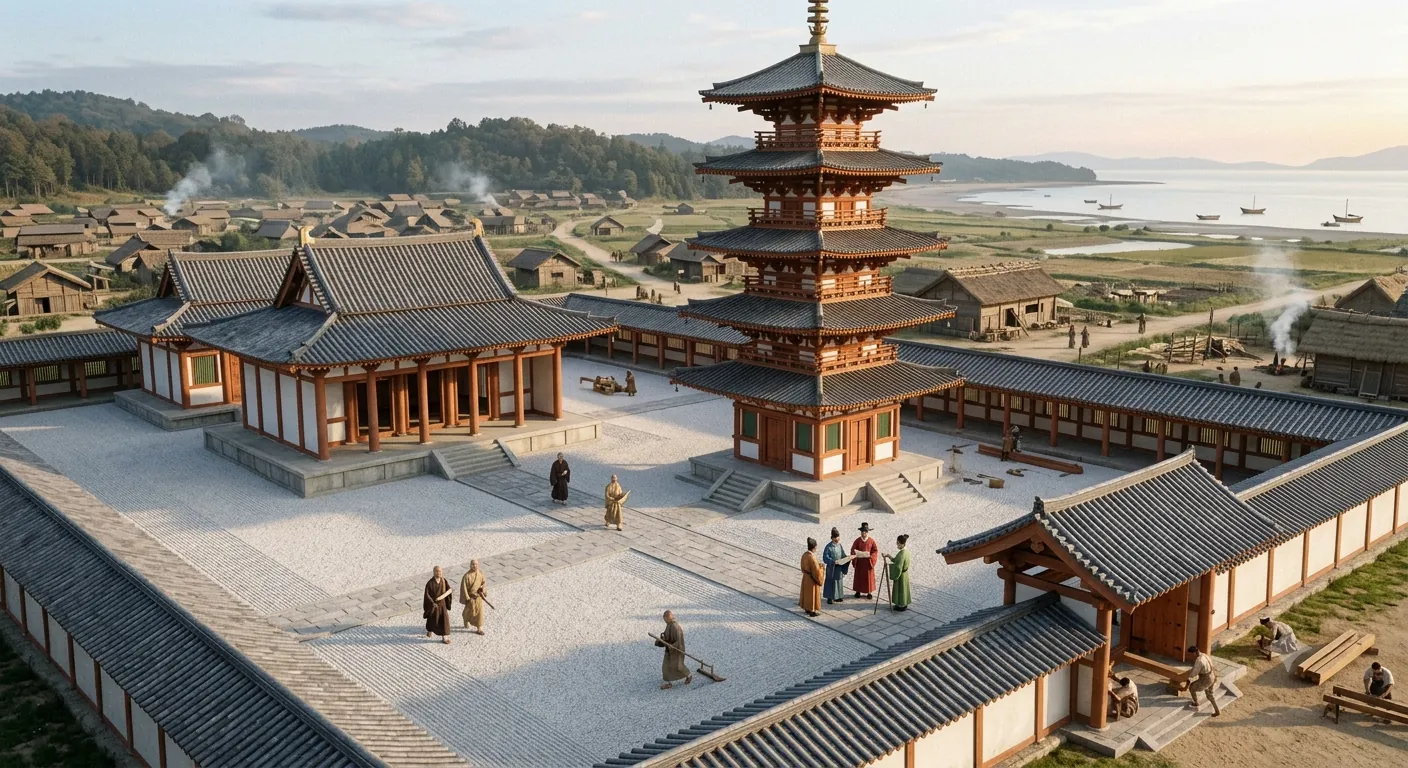
Reconstructing Ancient Naniwa — What can archaeology tell us when the documentary record is incomplete?

Historical Memory and the Erasure of Osaka — How do victorious regimes reshape the physical remains and historical memory of defeated powers?

The Landscape as Historical Evidence — What can physical geography reveal that written sources conceal?

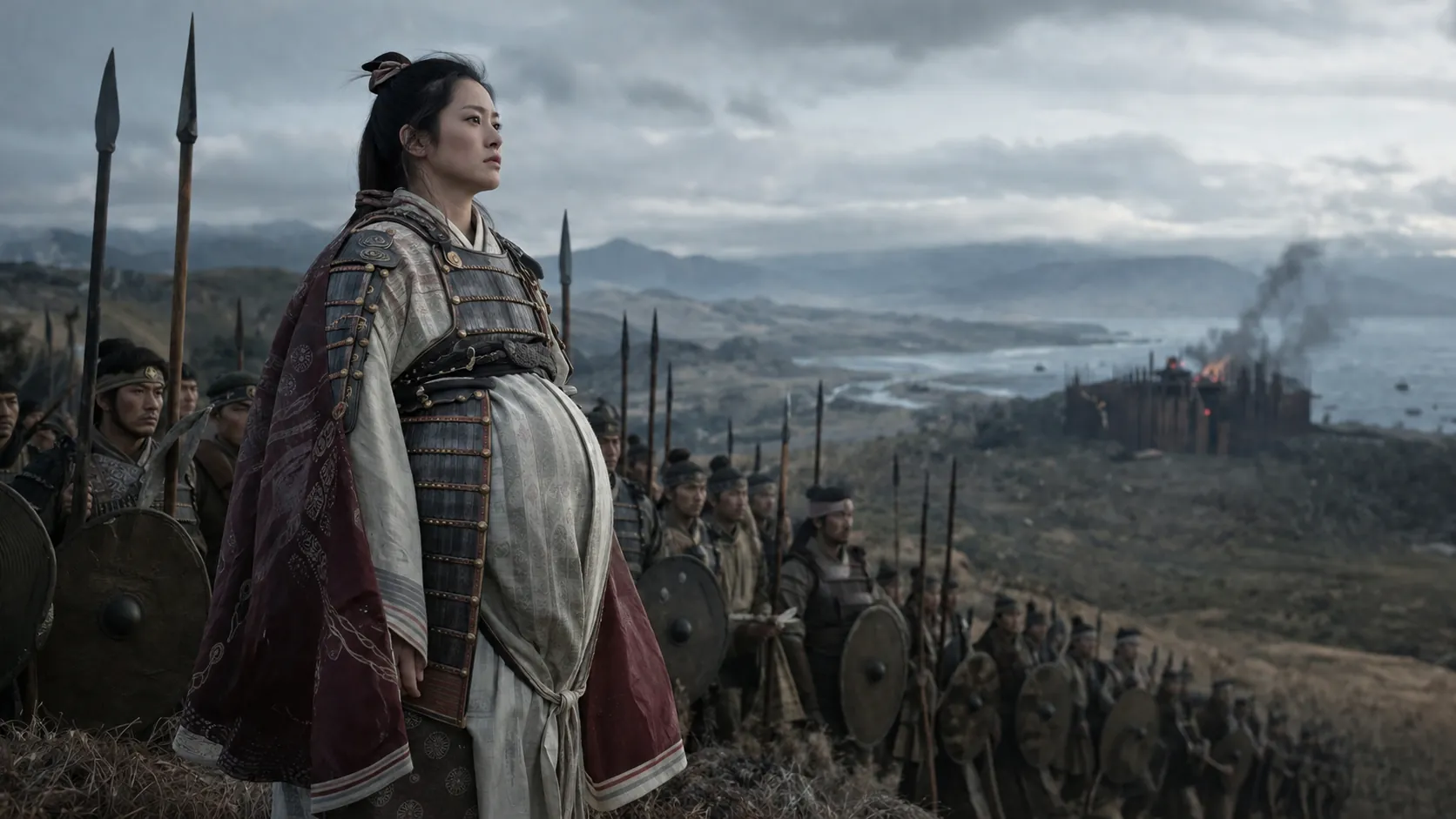
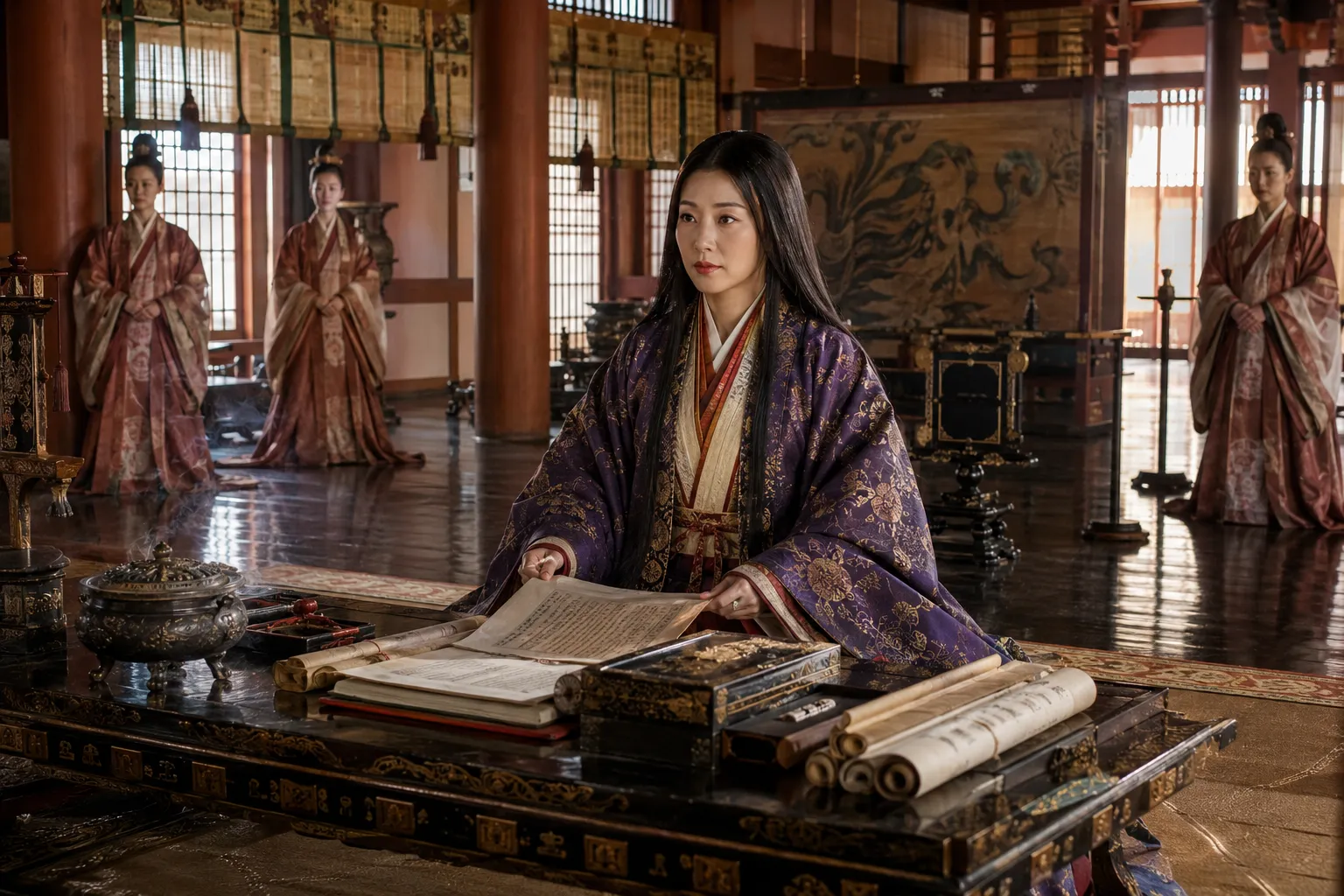
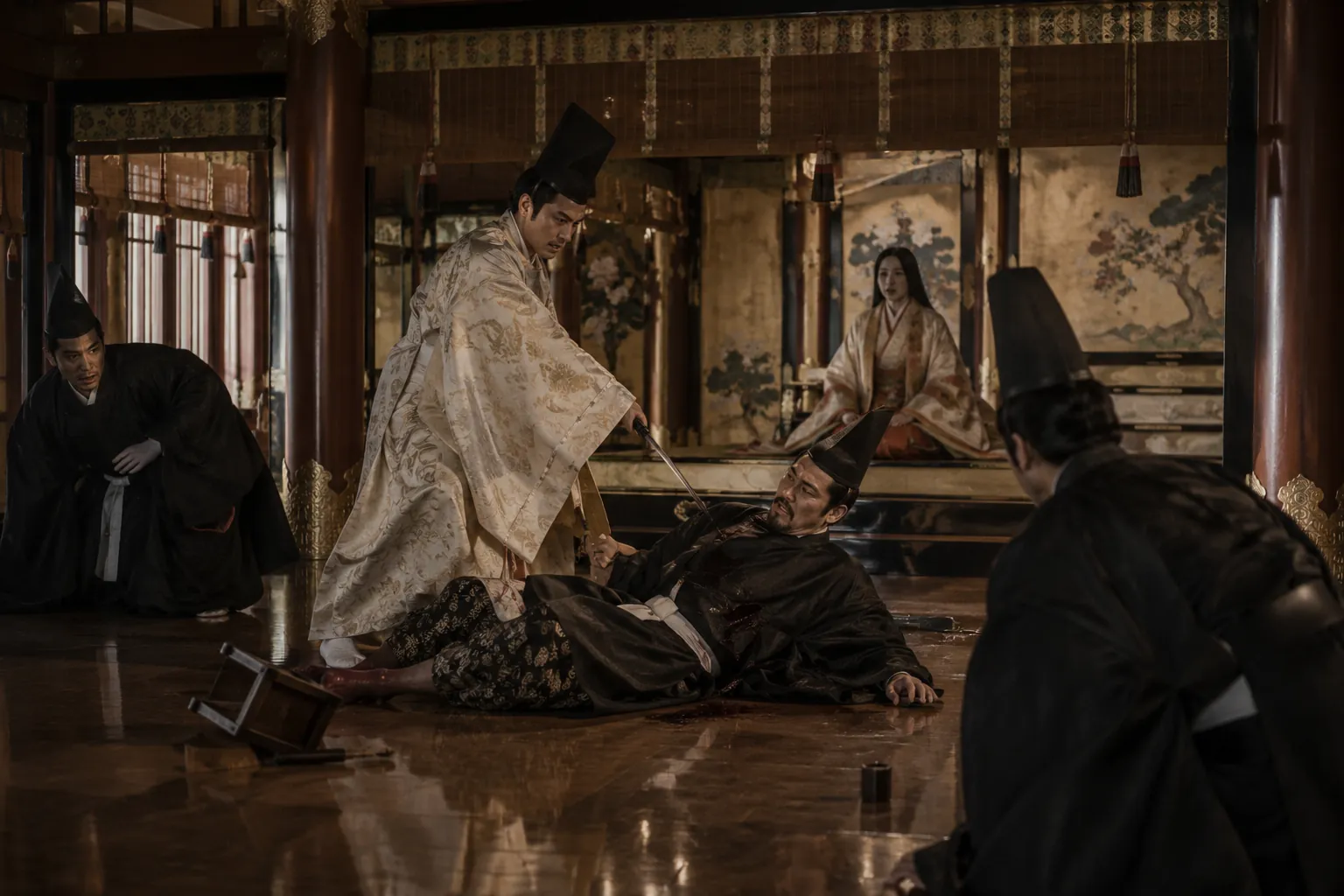
Gender, Succession & the Imperial Court — How were female rulers constructed, remembered, and erased by the political record?

Frequently Asked Questions

What do students actually do during the investigation?

They perform three core historian tasks: observe physical evidence (stonework, elevation, defensive angles, reconstruction layers), interpret competing narratives (Tokugawa vs. Toyotomi vs. modern archaeology), and form a defensible conclusion — just like a real historian writing a paper. This transforms Osaka Castle from a sightseeing spot into a living research site.

What about controversial topics like Hideyori and Yododono's deaths?

Students examine the official Tokugawa narrative, the modern historian consensus, and the survival conspiracy theory. They learn how historians judge credibility, bias, and evidence quality — a perfect critical-thinking exercise.

Discipline Alignment

Every field seminar is customized to your course objectives and academic focus.

ThemeHistoryArchaeologyHistorical GeographyPolitical ScienceJapanese Studies
Geography & PowerSpatial Analysis of State FormationLandscape ArchaeologyPhysical Geography & Political PowerTerritory & Political ControlRegional Power Dynamics
Power & PropagandaPolitical Legitimacy & Narrative—Power in the Urban LandscapePropaganda & State LegitimacyPolitical Symbolism
Hideyoshi & State FormationSengoku UnificationCastle ArchaeologyStrategic GeographyState Formation & AuthorityPolitical History
Tokugawa LegitimacyEarly Modern Political Order—Power & LandscapeLegitimacy & SuccessionTokugawa Political Culture
Ancient NaniwaFormation of the Ancient StateExcavation & Urban ReconstructionHistorical Geography of the Ancient City—Ancient Capital & Urban Studies
Historical MemoryHistoriography & Historical Interpretation—Cultural LandscapeNationalism & MemoryHeritage & Identity
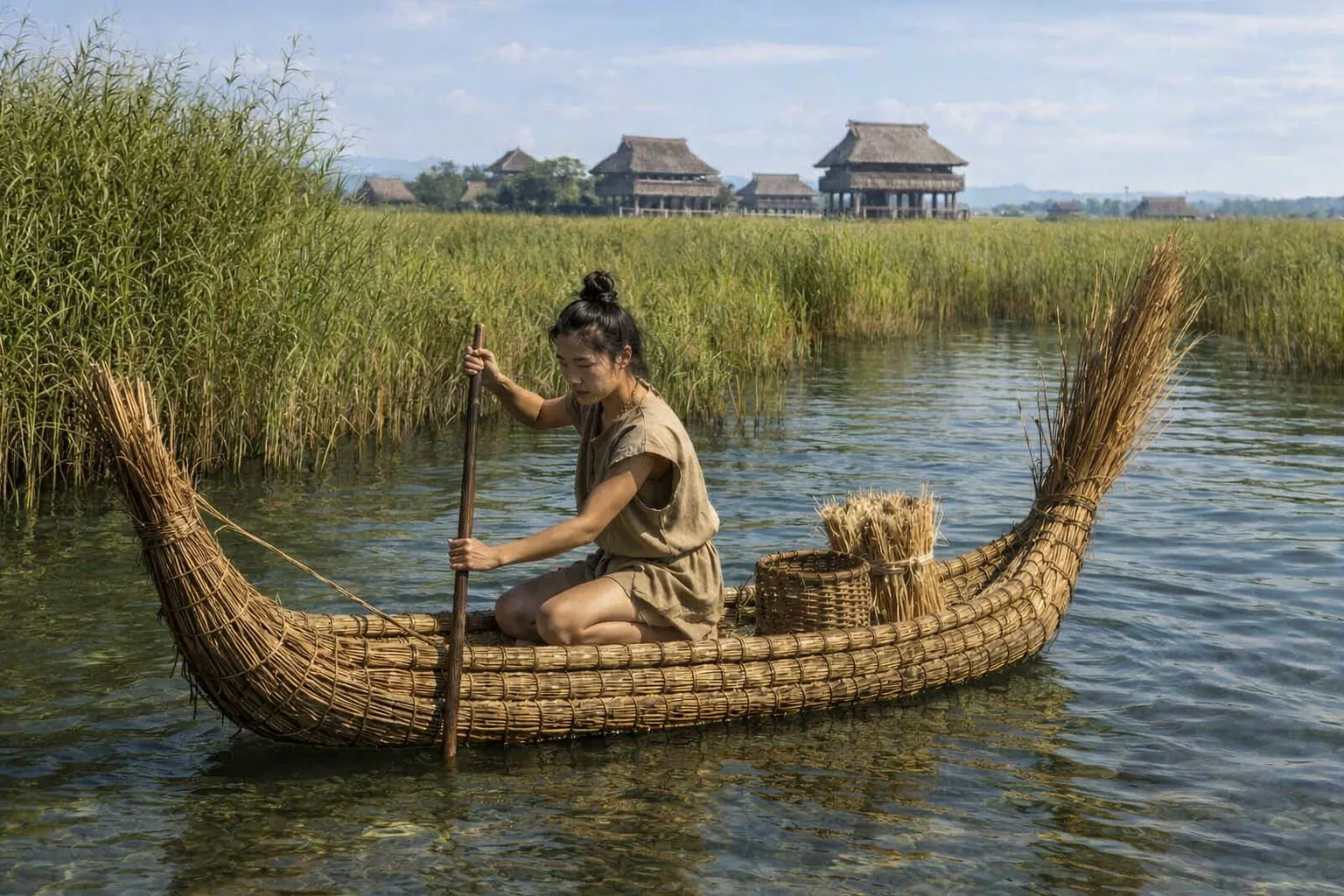
Jomon–Yayoi TransitionPrehistoric Japan · Jomon to YayoiShell Middens, Pottery & Wet-Rice AgricultureEnvironment & Settlement Archaeology—Prehistoric Japanese Culture

What could your students investigate?

These are examples, not fixed tours. Every investigation is adapted to your course, students, and learning objectives.

UniversityPolitical Science / Japanese Studies

Propaganda, Legitimacy & Historical Memory

How rulers use architecture to construct political legitimacy

UniversityArchaeology / Ancient History

Reconstructing Ancient Naniwa

What can archaeology tell us when the documentary record is incomplete?

UniversityHistorical Geography / Political Science

The Landscape as Historical Evidence

What can physical geography reveal that written sources conceal?

The Layers Beneath the Castle

Around one castle lie the granaries, the palace, the religious centre, and the castle itself — over a thousand years of power stacked on a single plateau. Each layer is a field investigation in its own right.

4th–5th century

The Hoenzaka Warehouse District

The Hoenzaka Warehouse District — a record of early state management of goods

What did it mean for the first Japanese state to build granaries on this ridge?

Evidence: Row upon row of raised-floor granaries excavated at Hoenzaka — proof that an early state was storing, redistributing, and controlling grain long before any Osaka castle existed.

Why here: Students stand at the physical beginning of Osaka's political history — the early state's goods-management posts on the Uemachi Plateau, on the same ground the palace, the religious centre, and the castle would later occupy.

645–794 CE

Naniwa Palace

Naniwa Palace — the imperial capital below Osaka Castle

Why did successive emperors keep rebuilding the capital on this exact spot?

Evidence: The excavated foundations of the palaces of Emperor Kōtoku and later rulers, preserved in situ beneath the Osaka History Museum — combined with contemporary chronicles and wooden writing tablets recovered from the site.

Why here: The palace stood on the Uemachi Plateau centuries before Hideyoshi chose the same ridge for his castle — making Osaka Castle literally a political layer above Japan's first imperial capital.

1496–1580

The Ishiyama Hongan-ji

The Ishiyama Hongan-ji — the warrior-monk fortress that held Nobunaga at bay for a decade

Was the Ishiyama Hongan-ji War about religion, power, or control of Osaka's rivers?

Evidence: The remains and commemorative markers of the great fortified temple-city swallowed by Osaka Castle, alongside the contemporary accounts that explain why the decade-long war was so hard to win.

Why here: Osaka Castle now stands on the ground where a self-governing religious city once defied Oda Nobunaga — the same rivers, the same plateau, a complete change of power.

1583–1615

Toyotomi Hideyoshi & Osaka Castle

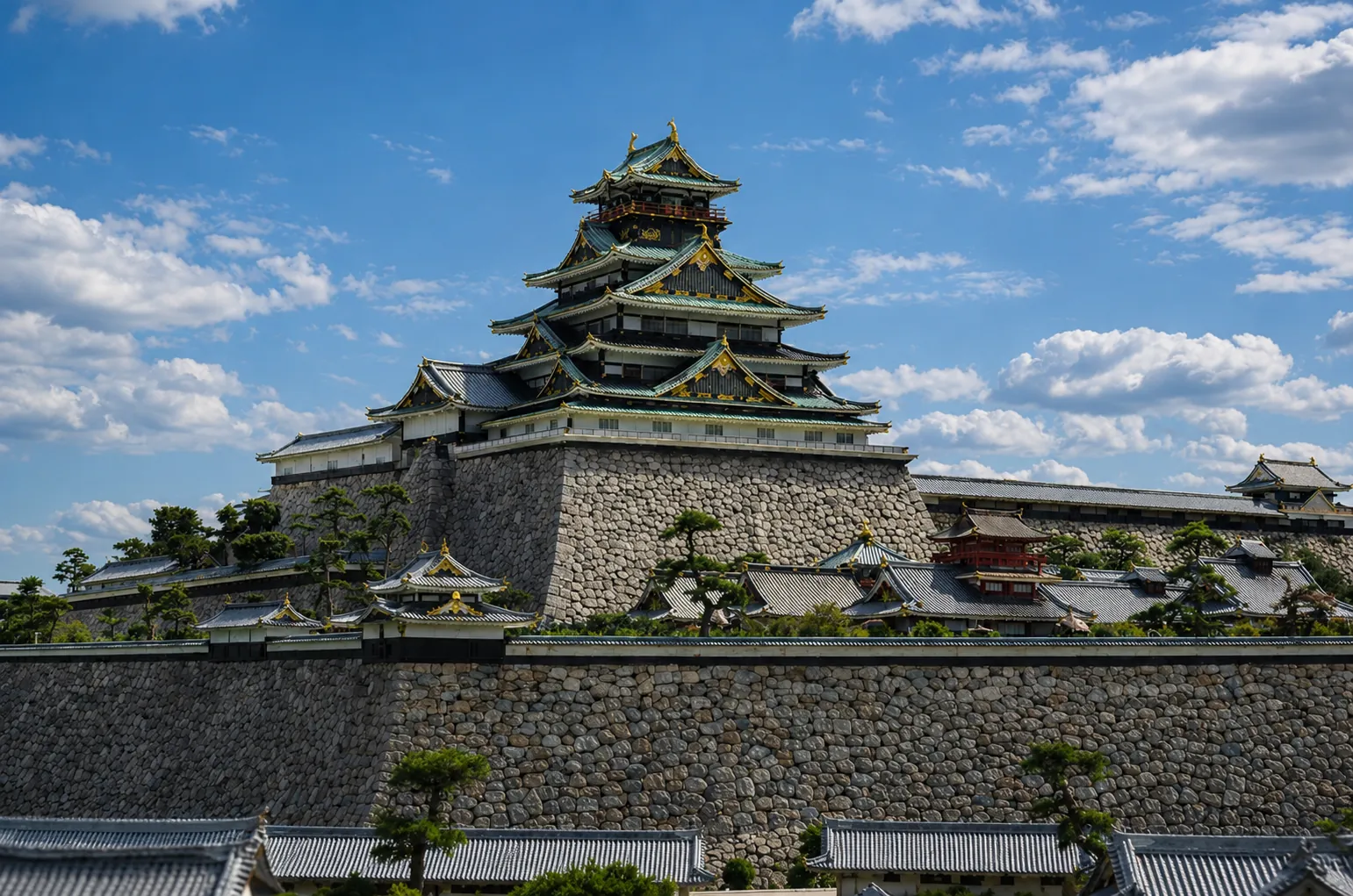
Hideyoshi's Osaka Castle — a fortress built on a thousand years of power

Did Hideyoshi build Osaka Castle for military necessity or political symbolism?

Evidence: The surviving Toyotomi-era stonework and excavated foundations, compared with the Tokugawa-era mounds that buried them — plus contemporary sources describing the scale and meaning of the castle.

Why here: The castle is the culmination of every layer below it: the granaries, the palace, and the fortress all gave Hideyoshi a reason to build on this plateau — a stage for his ambition, and a prize the Tokugawa would later set out to destroy and control.
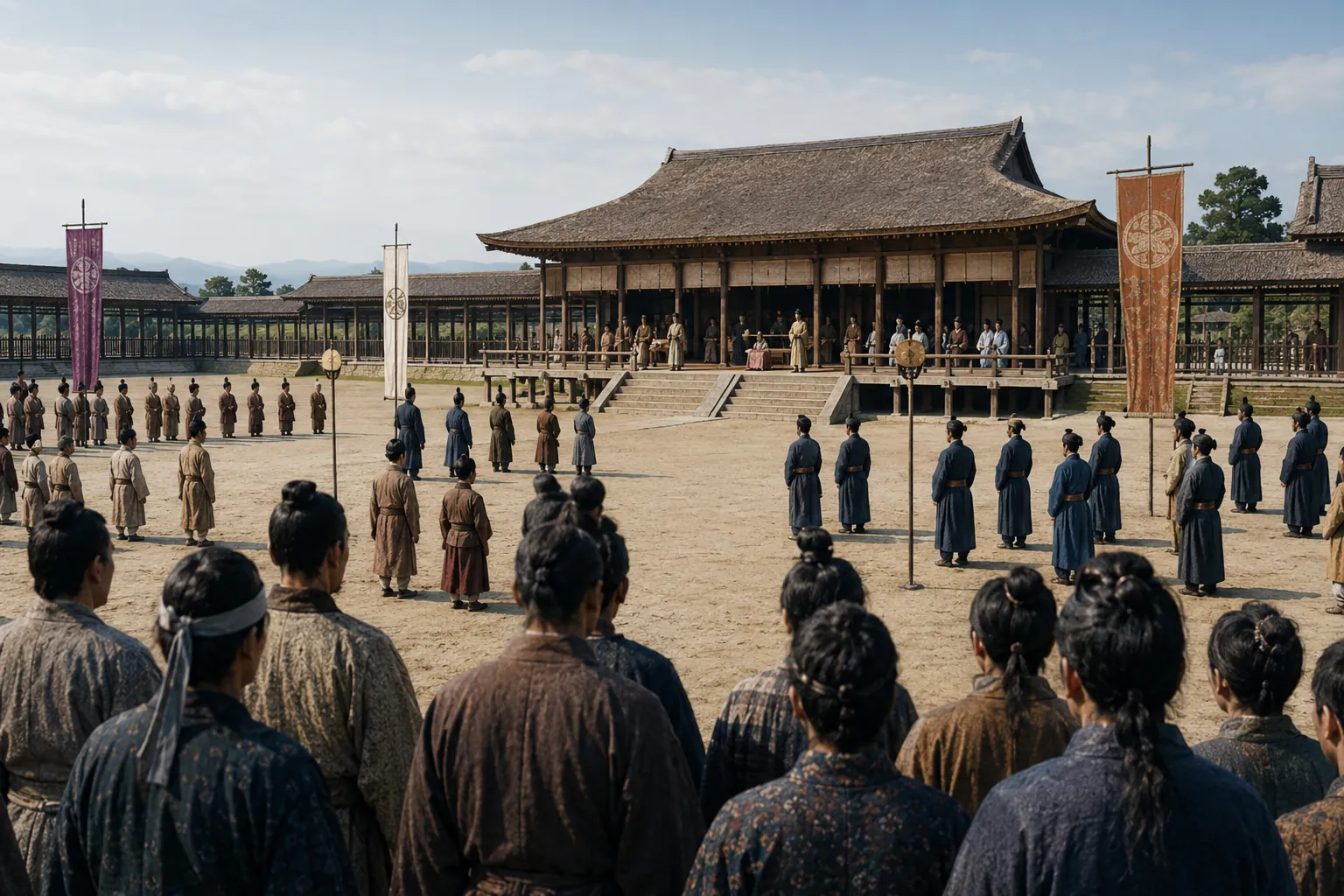
Explore the Evidence

Prehistoric–Modern

Deep Time Timeline — The Uemachi Plateau

A deep-time exploration of the Uemachi Plateau — geology, archaeology, and history across millions of years.

Ancient

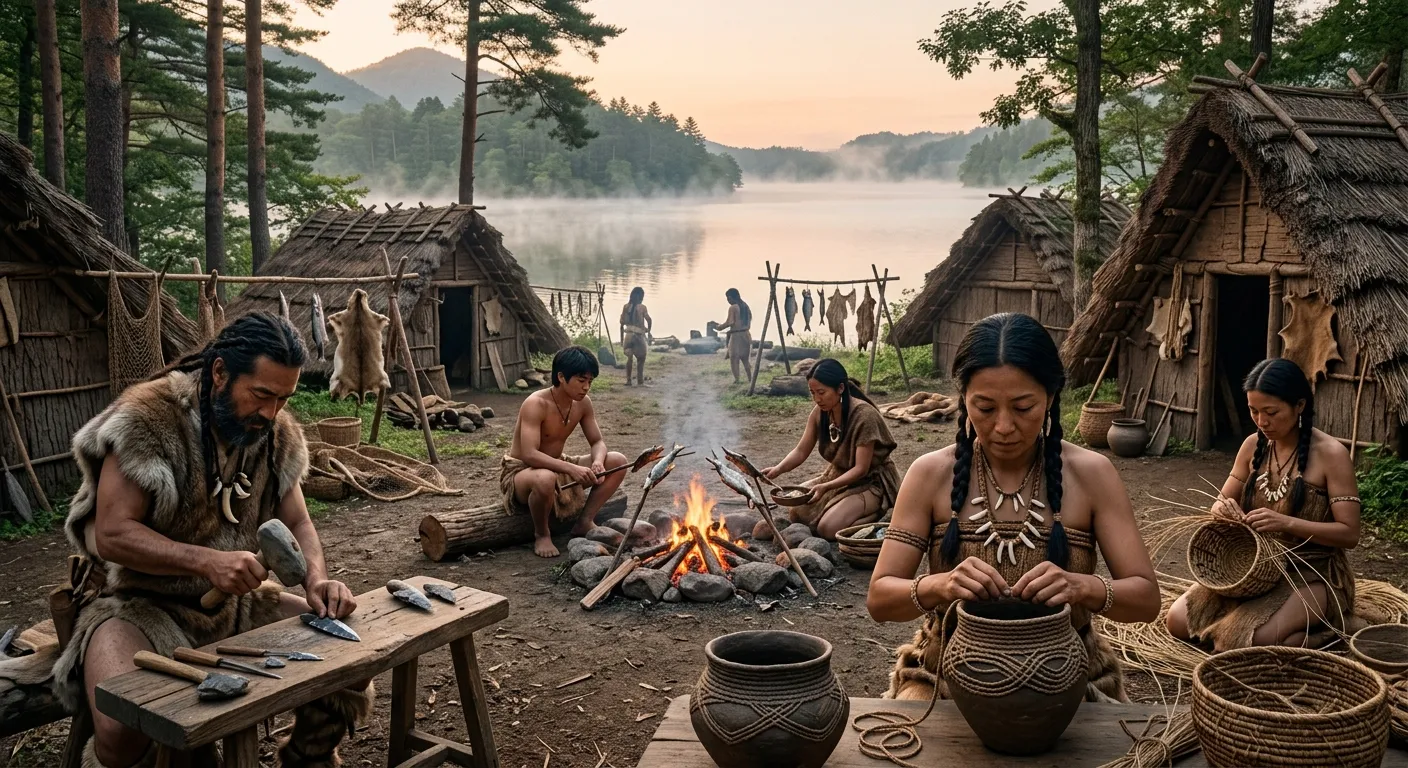
Before the Castle: When Osaka was a Prehistoric Lagoon

The Jomon-Yayoi encounter in prehistoric Osaka — a lost world of aquatic hunter-gatherers and incoming farmers.

Ancient

The Yayoi Age in Japan — Parallel Histories

Deep-time timeline of the Yayoi period, featuring parallel histories of China and Korea.

Ancient

Empress Jingū: Sifting Fact From Folklore

How 8th-century court compilers re-engineered Empress Jingū's timeline to justify female imperial authority.

Ancient

The Ōjin Succession — Three Versions of the Same Story

Three competing accounts of Emperor Ōjin's succession crisis reveal how legitimacy was constructed.

Ancient

Empress Shotoku, Dokyo & Naniwa Dynamics

Scholarly timeline of Empress Shotoku, the monk Dokyo, and how they reshaped imperial succession and the Naniwa capital.

Ancient

Shitenno-ji: 1,400 Years of Power, Faith, and Survival

The complete history of Shitenno-ji from its founding by Prince Shotoku in 593 CE.

Ancient–Heian

Soga, Fujiwara & The Imperial Line

The rise of the Soga clan, the Isshi Incident, and centuries of Fujiwara dominance over the imperial line.

Heian

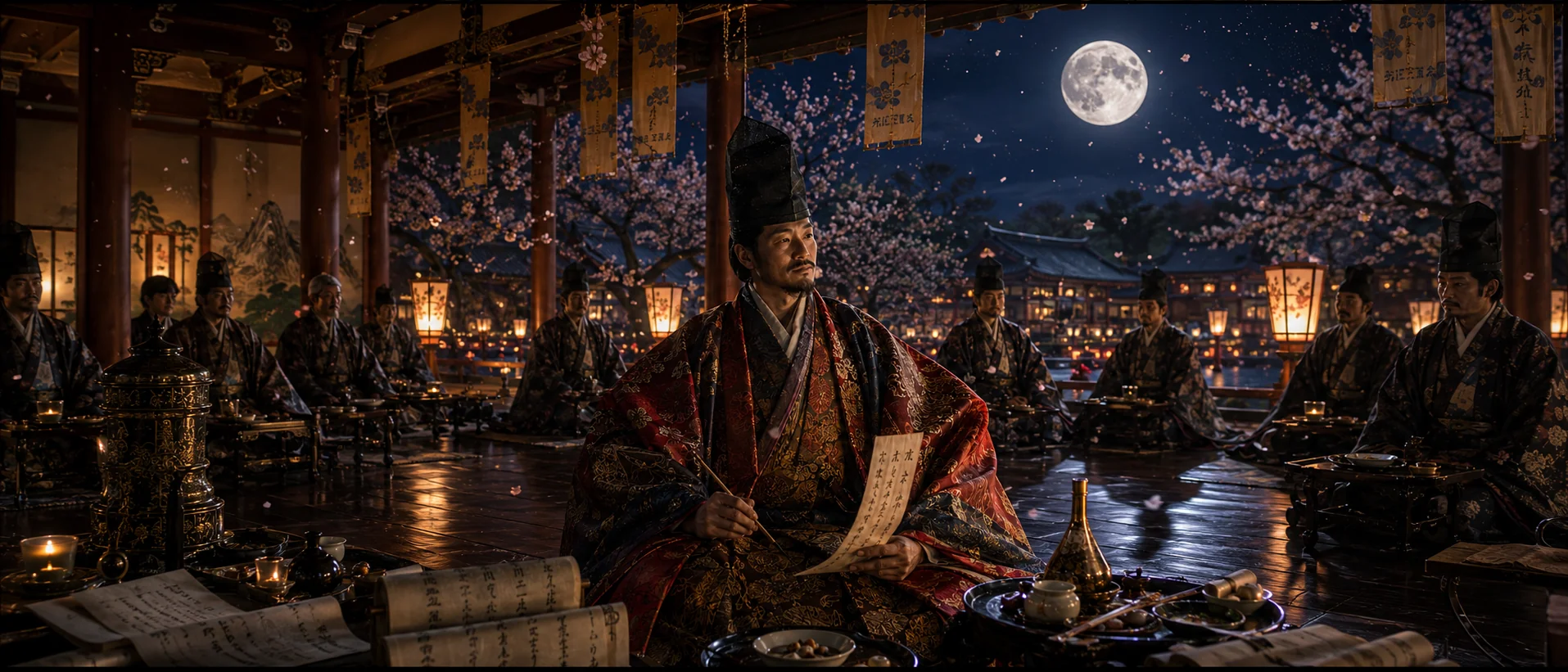
The Fujiwara Regency — Shadow Politics of the Imperial Throne

How the Fujiwara clan dominated the throne for five centuries through regency offices and marriage alliances.

Heian–Modern

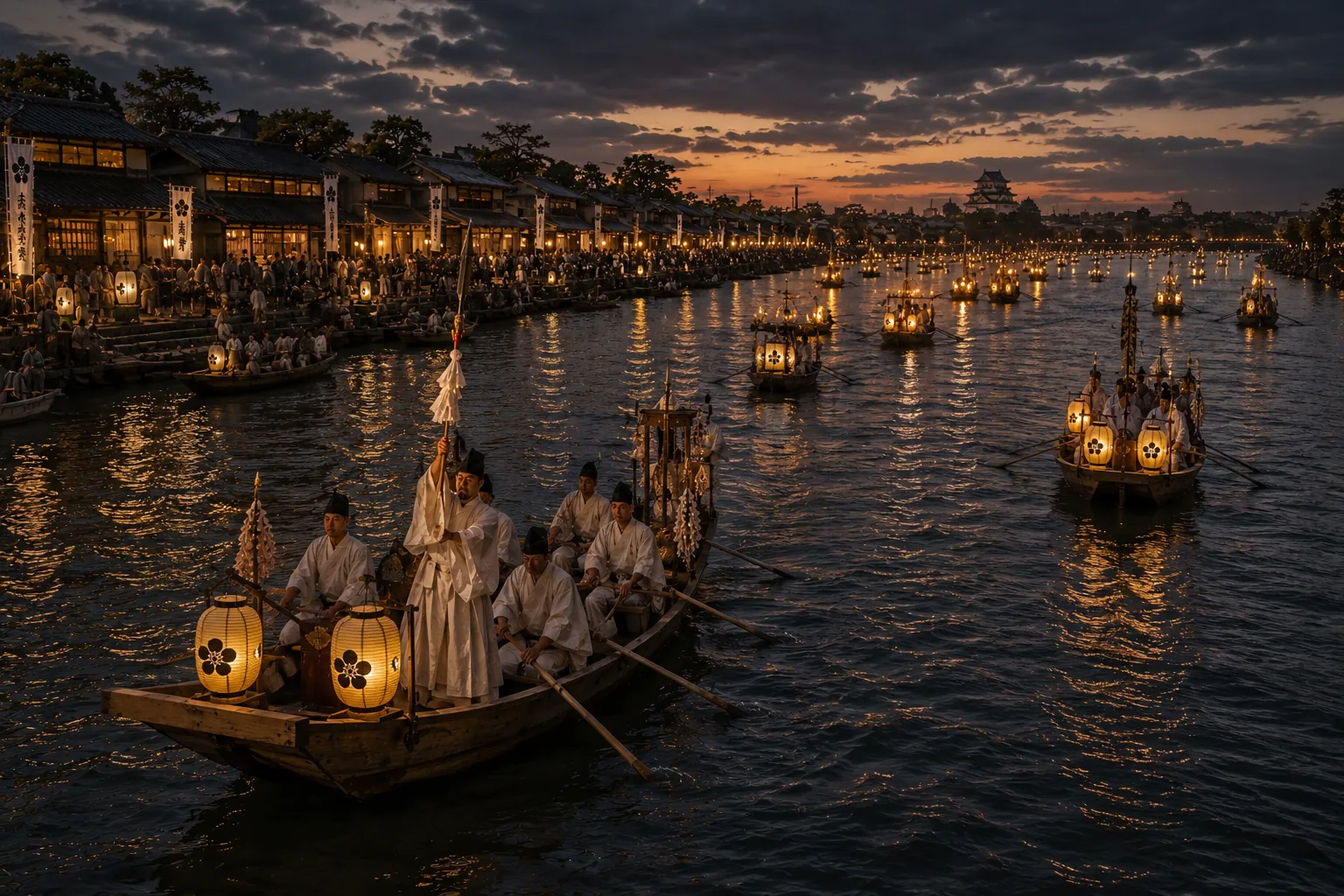
Tenjin Matsuri — Osaka's Greatest Water Festival

The complete history of Tenjin Matsuri from Sugawara no Michizane's exile to one of Japan's Three Great Festivals.

Kamakura

Taira, Minamoto & the First Shogunate

The imperial origins of the Taira and Minamoto clans, the Genpei War, and the birth of Japan's first shogunate.

Sengoku

The Oda-Azai Betrayal — A Sengoku Timeline

The collapse of the Oda-Azai alliance, from marriage politics to the destruction of the Azai clan.

Sengoku

The Ishiyama Honganji War (1570–1580)

Why Oda Nobunaga spent a decade besieging Osaka's warrior-monk fortress.

Sengoku

The Taikō's Path — A Toyotomi Hideyoshi Timeline

Toyotomi Hideyoshi's rise from peasant foot-soldier to Japan's unifier and builder of Osaka Castle.

Azuchi–Momoyama

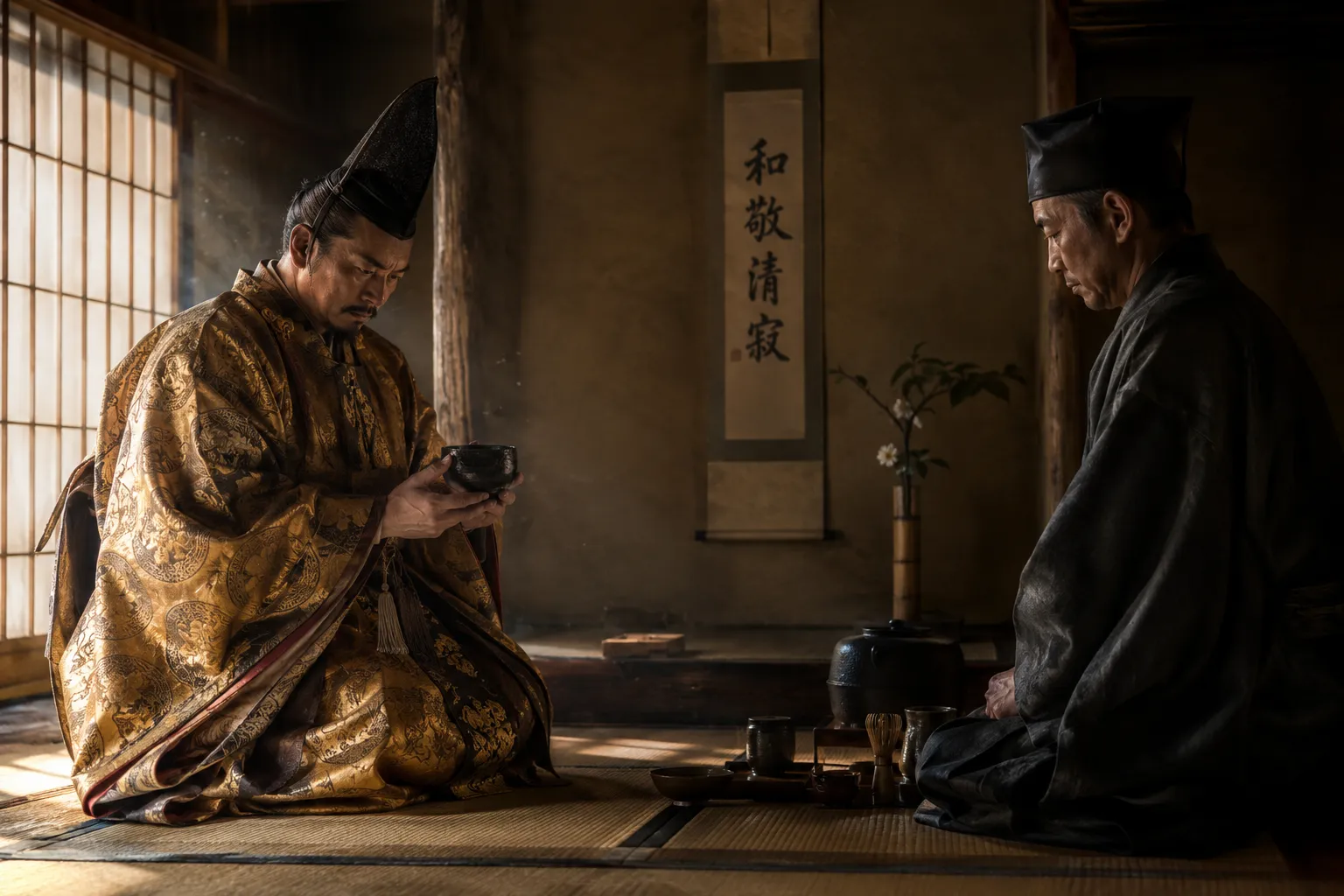
From Partners to Political Problem: Hideyoshi & Sen no Rikyū, 1582–1591

Toyotomi Hideyoshi and Sen no Rikyū, 1582–1591 — command, recognition, chanoyu, and the Japanese scholarship that still disputes the causes of the rupture.

Sengoku–Tokugawa

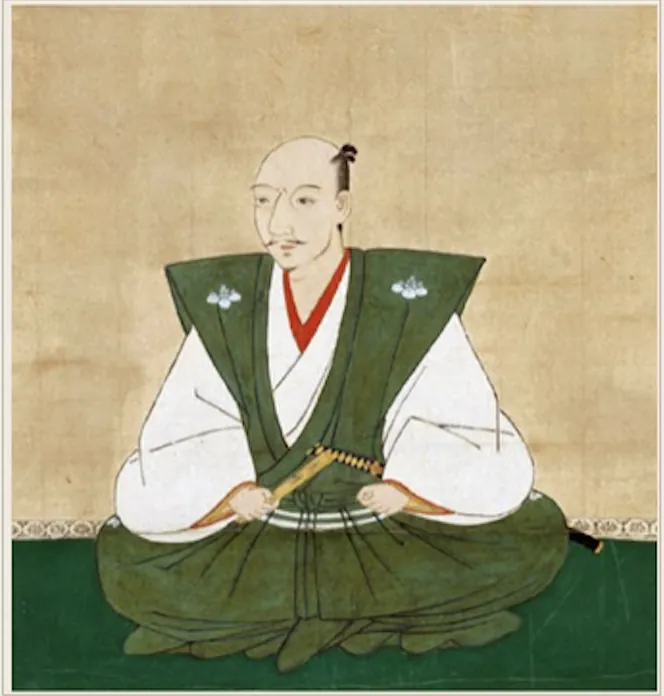
Three Unifiers — Osaka Castle Walks with Edward

Oda Nobunaga, Toyotomi Hideyoshi, and Tokugawa Ieyasu — three men, one castle, sixty years.

Sengoku–Tokugawa

Osaka Castle: Toyotomi Hideyoshi, the Siege & the Erasure

The hidden story of Osaka Castle — Toyotomi Hideyoshi's vision, the two sieges, and how the Tokugawa buried his legacy.

Sengoku–Tokugawa

Toyotomi Hideyori: Heir to Osaka Castle's Fall

The life of Toyotomi Hideyori from birth to the siege of Osaka and the Tokugawa's official story.

Sengoku–Edo

The Crimson Path — A Sanada Nobushige Timeline

The complete life of Sanada Nobushige, from his father's political maneuvering through the Siege of Osaka.

Tokugawa

The Sleeping Dragon — A Tokugawa Ieyasu Timeline

Tokugawa Ieyasu's patience, betrayal, and the sieges of Osaka that established the shogunate.

Pricing

One class. One price. Everything included.

Programme fees are all-in — preparation, materials, and classroom follow-up included. No per-student calculation.

Three-Workshop Programmes

Three stages: a pre-castle workshop, the Osaka Castle tour, and a post-visit workshop with a gameshow quiz.

Edward attends all three workshops and is included in these totals. A second facilitator is added in Workshops 1 and 3 for 30 students or more, and a third for 45 students or more.

Learning materials are licensed for the named cohort and programme; not for redistribution or reuse by other providers.

Teachers and supervising school staff participate free of charge.

Need something tailored to your course?

Every field investigation is connected to your course, students, and learning objectives. If you have a particular historical theme, site, or wider study program in mind, we can develop a field experience around it.

  • The Tennoji Valley, Sanada-maru, Shitenno-ji, or Chausuyama as part of a study of Osaka’s military and religious landscape.
  • Sakai’s great kofun while exploring the relationship between the early political centre at Naniwa and the emergence of powerful regional elites.
  • Osaka, Nara, Kyoto, or Koyasan as connected sites in a broader investigation of capitals, political power, religion, and historical memory.

You might even have a particular question or itinerary in mind that doesn’t fit one of our standard programmes. Tell me what your students are studying and where you want to take them, and we’ll explore what can be built around it.

Everything your students need before and after the field investigation is available online. Activities can be completed digitally or printed directly from the website for classroom use.

University Field Seminar

Fully customized to your course. Contact to discuss your specific needs.

How It Works

1

Tell me what you're teaching.

Course, unit, student level, class size, learning objectives.

2

Choose your programme.

Standard, Extended, or Full — three live workshops of 90–150 minutes (two at school, one on site) plus pre-visit preparation, one all-in price per class.

3

We design the historical question together.

Your curriculum and students shape the investigation.

4

Three stages, end to end.

Pre-castle workshop → Osaka Castle tour with the investigation and the reveal → post-visit workshop with presentations and a gameshow quiz.

5

Continue in the classroom.

The Digital Investigation Companion and teacher pack keep the work going.

Request a Field Investigation

Tell me what your students are studying. I'll design a field investigation around your curriculum.

What are you teaching?

Logistics

Contact Information